
Last updated September 10, 2026
Level 1 sweep and inspection to the NFPA 211 annual standard - flue, crown, cap, and flashing checked and photographed
Chimney sweep logs do not sweep chimneys. They loosen some creosote - which then falls where a brush and vacuum still have to collect it.
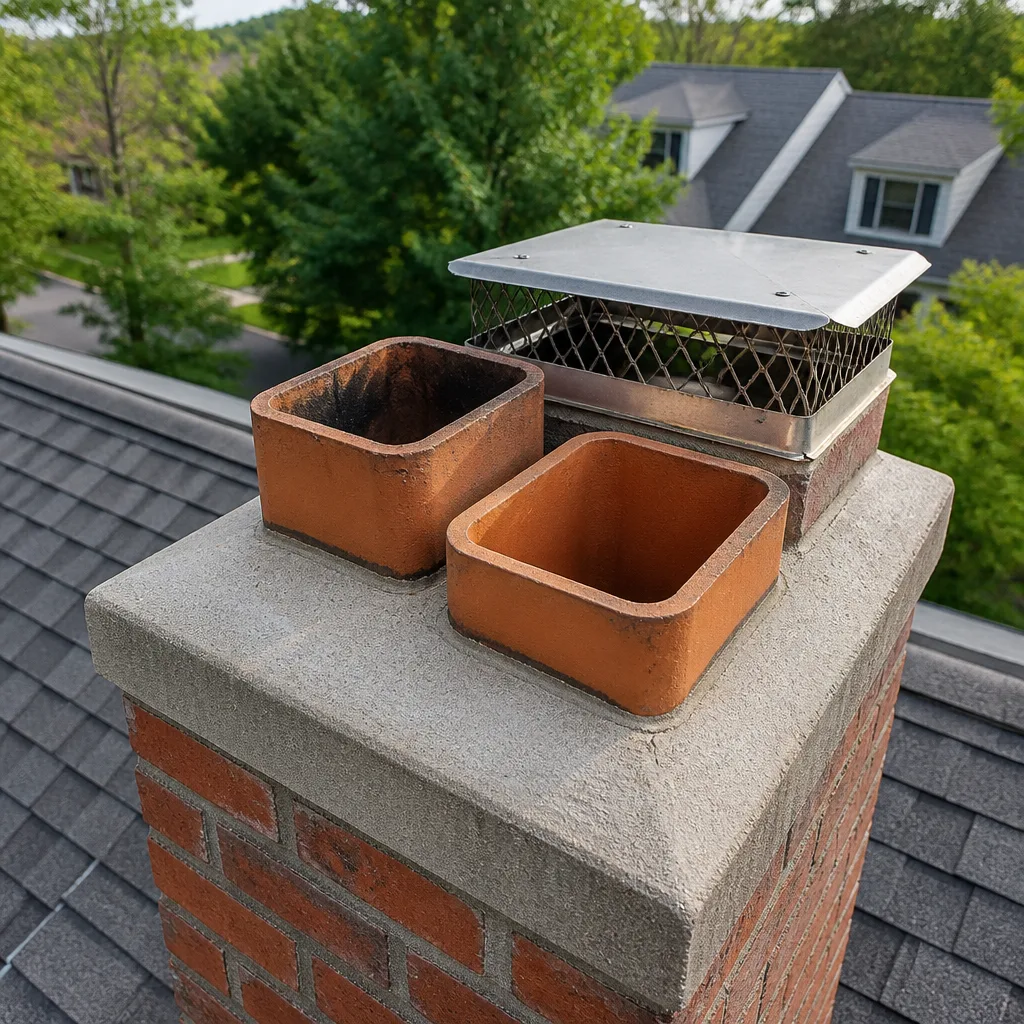
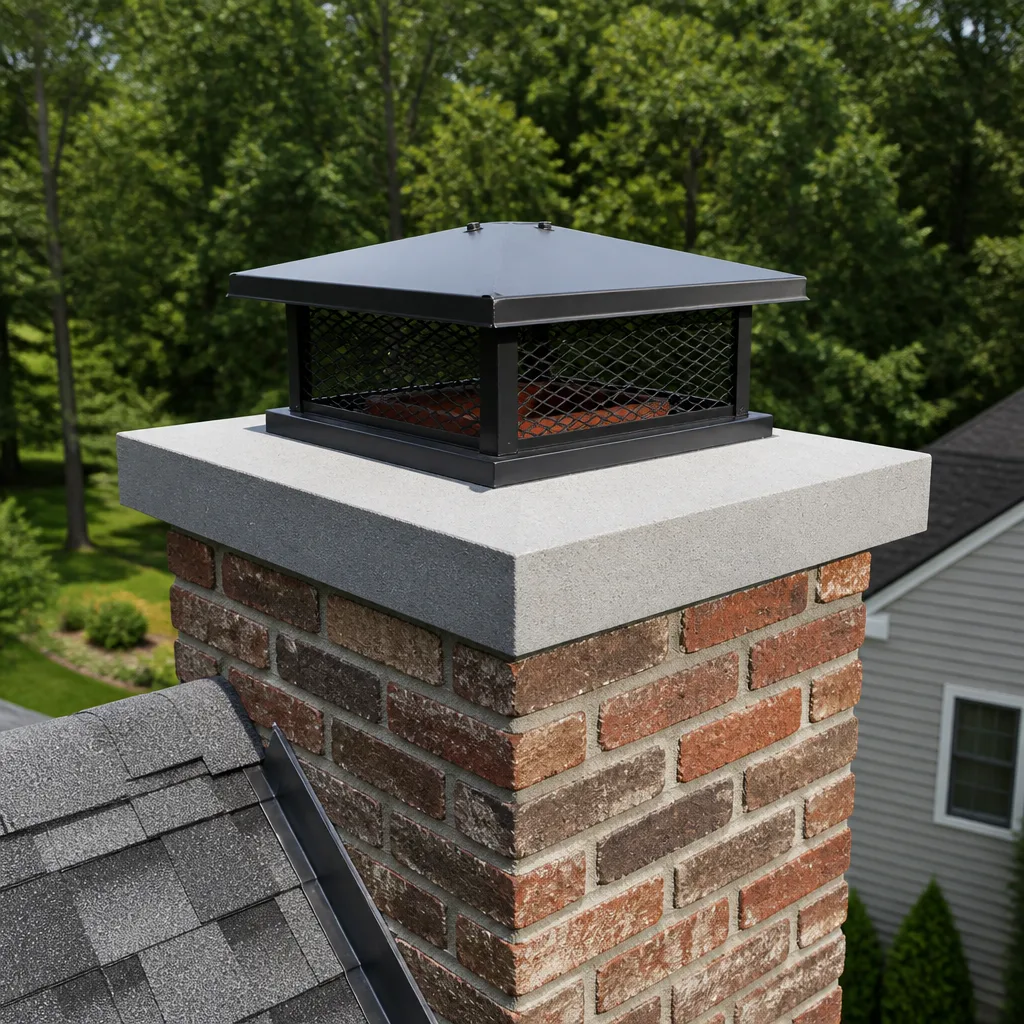
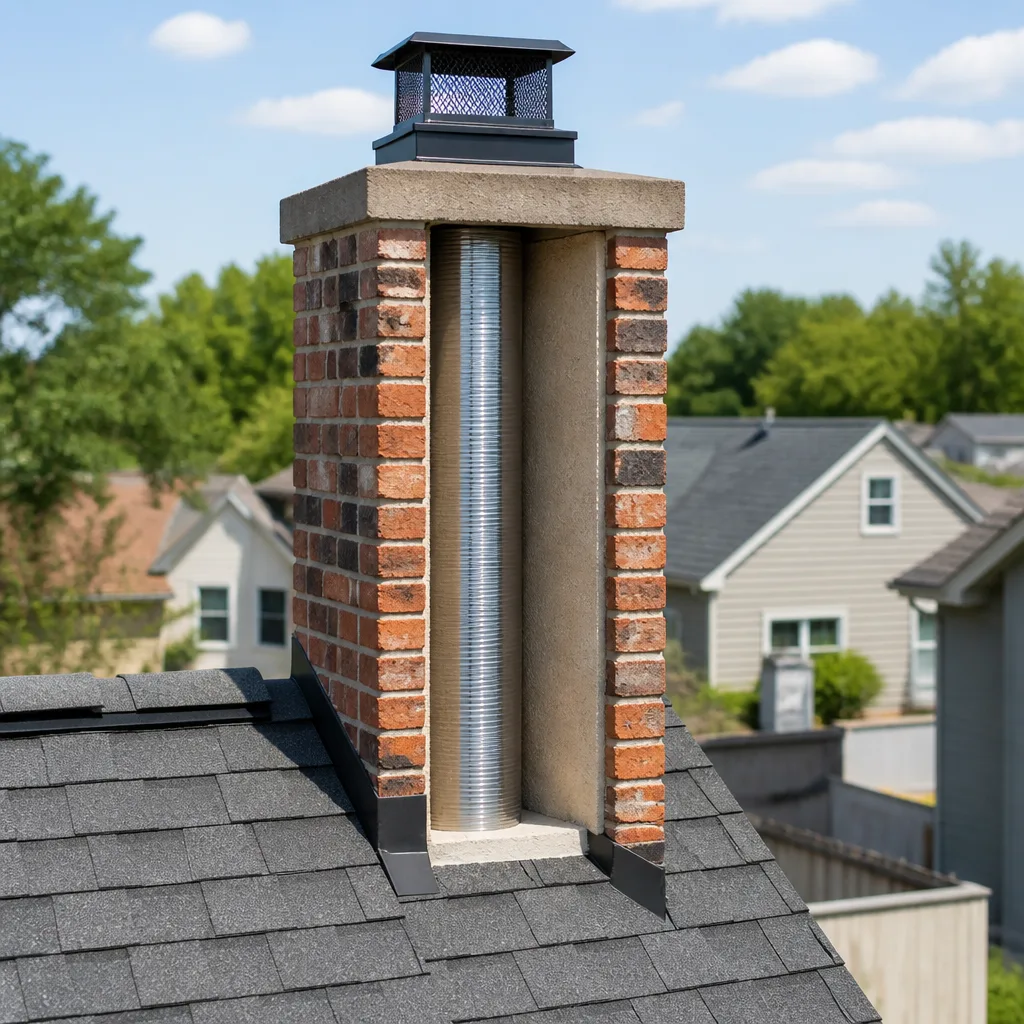
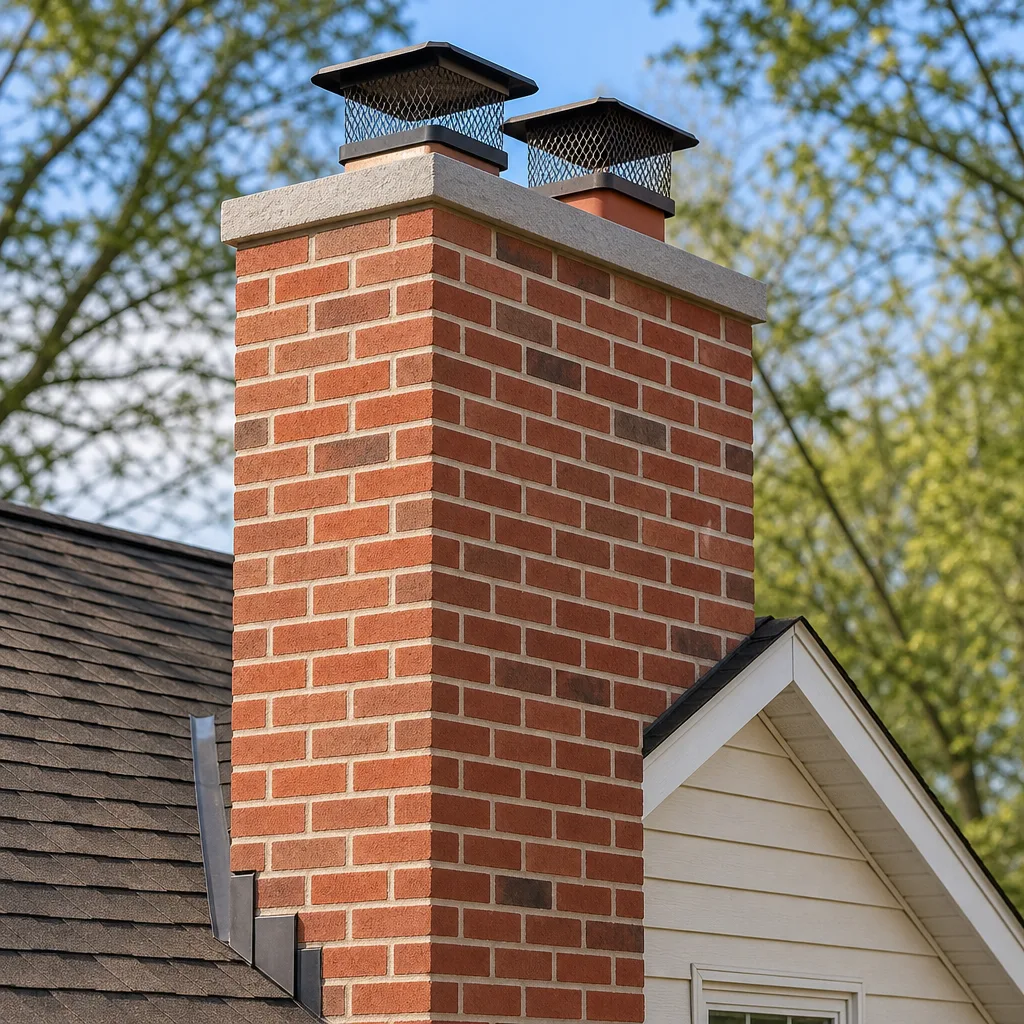
 Before
 After
After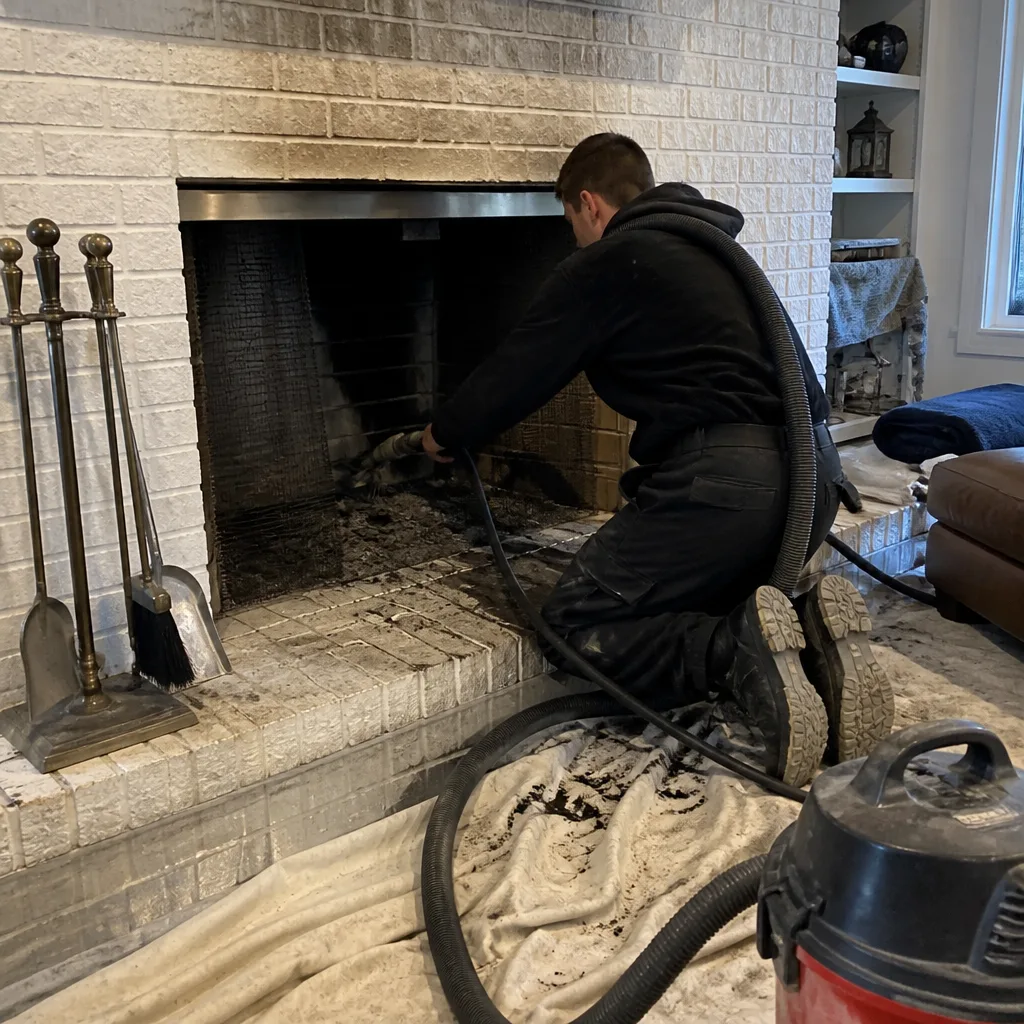 Before
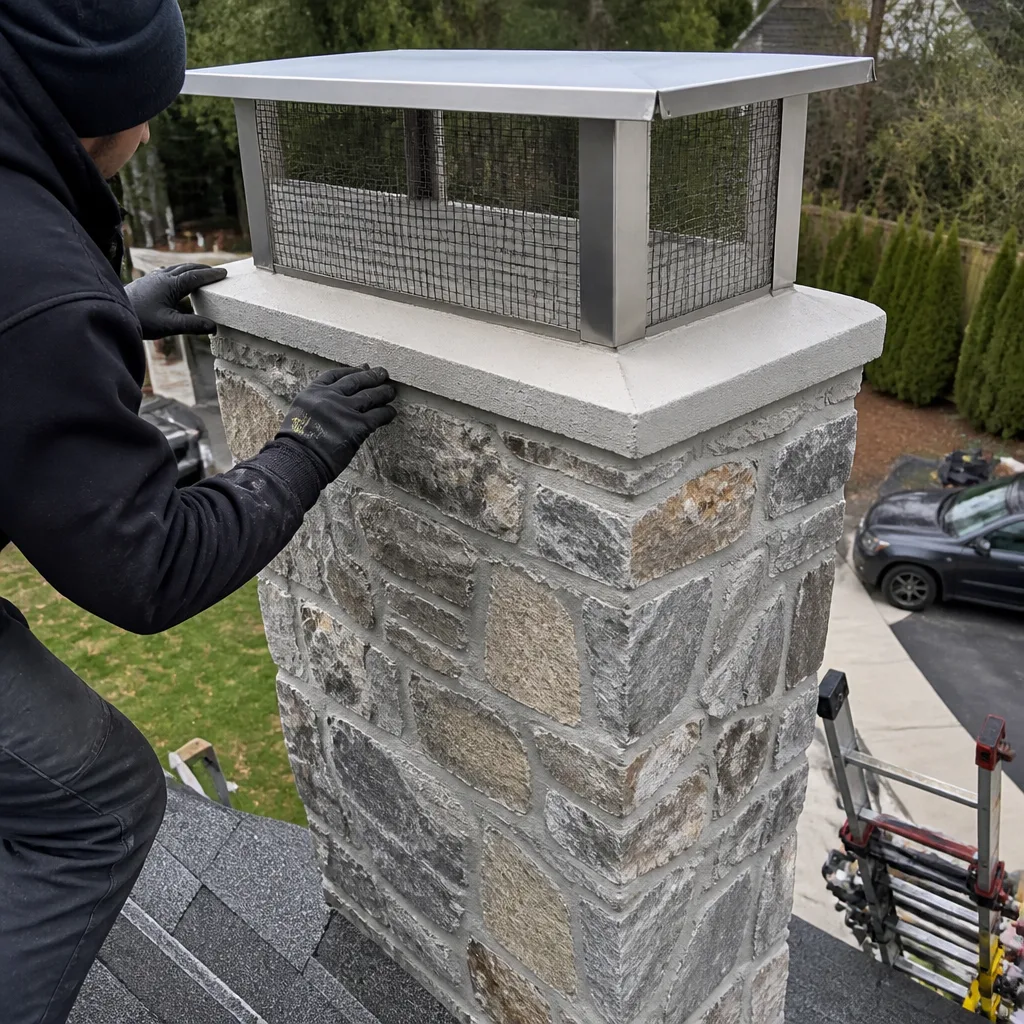 After
After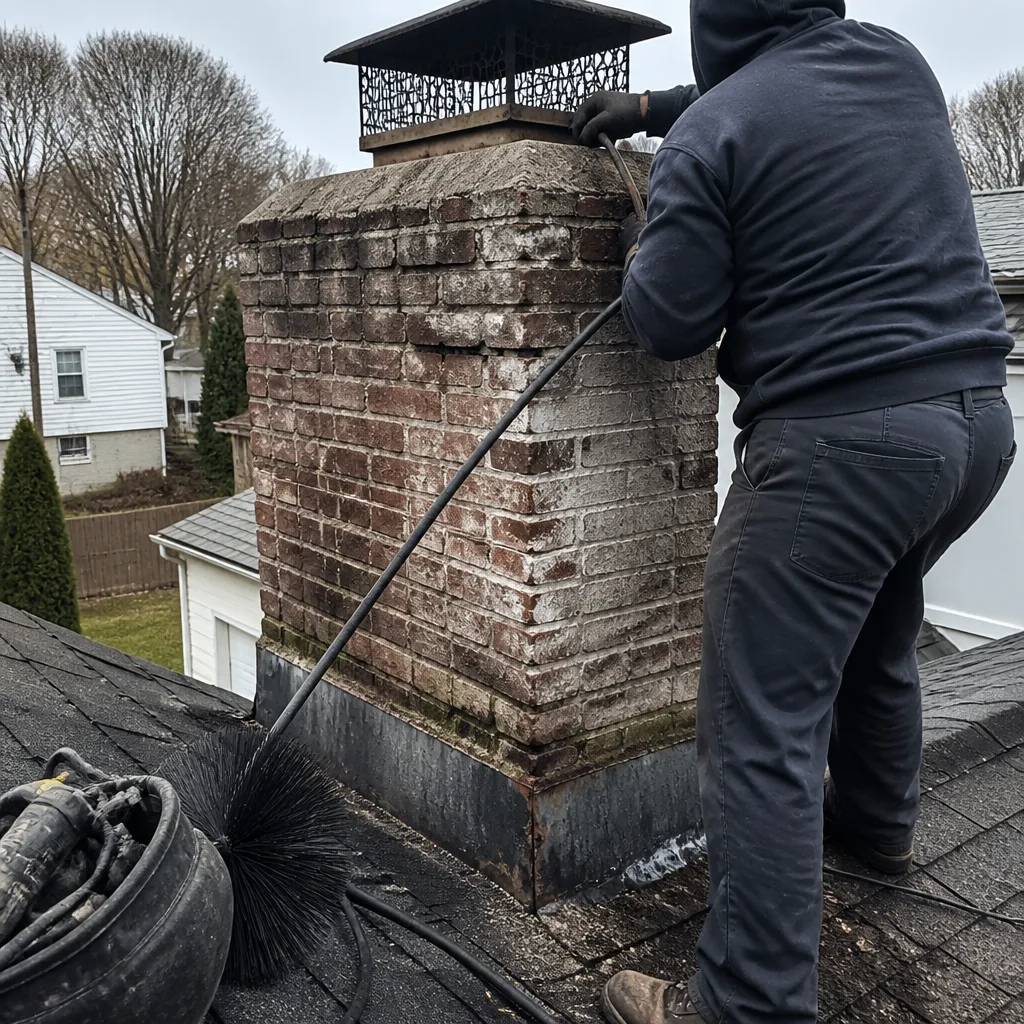 Before
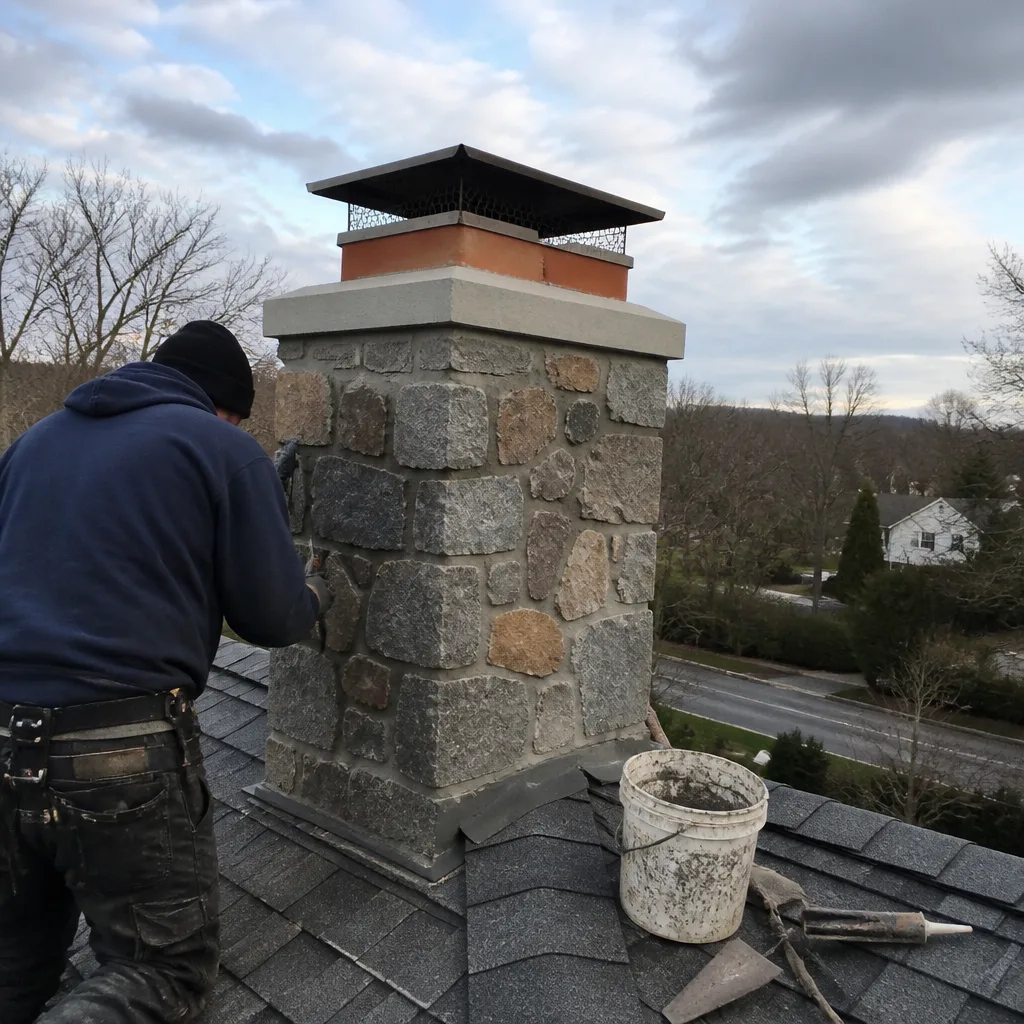 After
AfterThe Complete Guide to Chimney Cleaning in Stamford
The CSIA has spent decades collecting national data, and the pattern is stubbornly consistent: creosote buildup is tied to roughly 25,000 chimney fires every year. Here’s the part that should make you pause. A proper cleaning takes under two hours and costs less than a dinner out for four in Stamford. The fires happen because homeowners don’t know what a real sweep looks like, so they skip it or they hire someone who skips half the steps. This guide walks you through every phase of a legitimate chimney cleaning in Stamford so you know exactly what you paid for when the truck pulls away, and for DIY vs Professional Chimney Cleaning: The Stamford Homeowner’s Decision Guide if you’re still weighing your options. By the end, you’ll be able to tell the difference between a thorough sweep and a brush-and-go before the bill ever lands in your hand.
Quick Answer
A proper chimney cleaning in Stamford costs between $179 and $289 for a standard open fireplace and includes a full flue brushing, smoke chamber cleaning, smoke shelf clearing, damper inspection, and cap check. The job should take 90 minutes to two hours, and the sweep should show you camera footage of what he found before recommending anything beyond the basic cleaning. If no one mentions the smoke chamber or the cap, you didn’t get a complete sweep.
Table of Contents
- What a Legitimate Chimney Cleaning Includes
- Level 1 Inspection vs. Cleaning Alone: Why Stamford Homes Need Both
- The Exact Sequence of a Proper Sweep, Step by Step
- Why Oil-to-Gas Conversions Are a Stamford Problem
- Red Flags in Brick Chimneys Built Before 1985
- How Often Should You Clean Your Chimney in Stamford?
- What a Written Guarantee Actually Changes
- How Much Does a Chimney Cleaning Cost in Stamford?
What a Legitimate Chimney Cleaning Includes
Here’s the honest version: a chimney cleaning is not just running a brush up and down the flue. The brush work is the part everyone knows about. It’s also the part that gets the least credit for preventing fires. The real value lives in everything else a careful sweep does while the brush is working. Your flue doesn’t care how the fire looks. It cares how it breathes.
A complete cleaning touches every surface between the firebox and the cap. That means:
- The flue liner itself: brushed from top to bottom or bottom to top, depending on access, using a brush sized to the liner’s actual diameter. Not a guess. The right brush catches what a wrong-sized brush misses.
- The smoke chamber: the angled section above the damper that narrows into the flue. This is where first-degree creosote turns into a problem if no one bothers to look. In older Stamford homes, the smoke chamber bricks are often rough and corbeled, which means they catch more creosote than a smooth modern liner ever would.
- The smoke shelf: a flat ledge behind the damper that collects everything falling down the flue: creosote flakes, dead leaves, pieces of mortar, the occasional squirrel nest. A quick sweep misses it. A thorough sweep clears it.
- The damper: checked for rust, warping, and whether it opens and closes fully. A damper that won’t close all the way bleeds heat from your living room all winter and lets damp Fairfield County air into the firebox all summer.
- The firebox: loose ash and debris removed, the brick or refractory panels visually inspected for cracks and gaps.
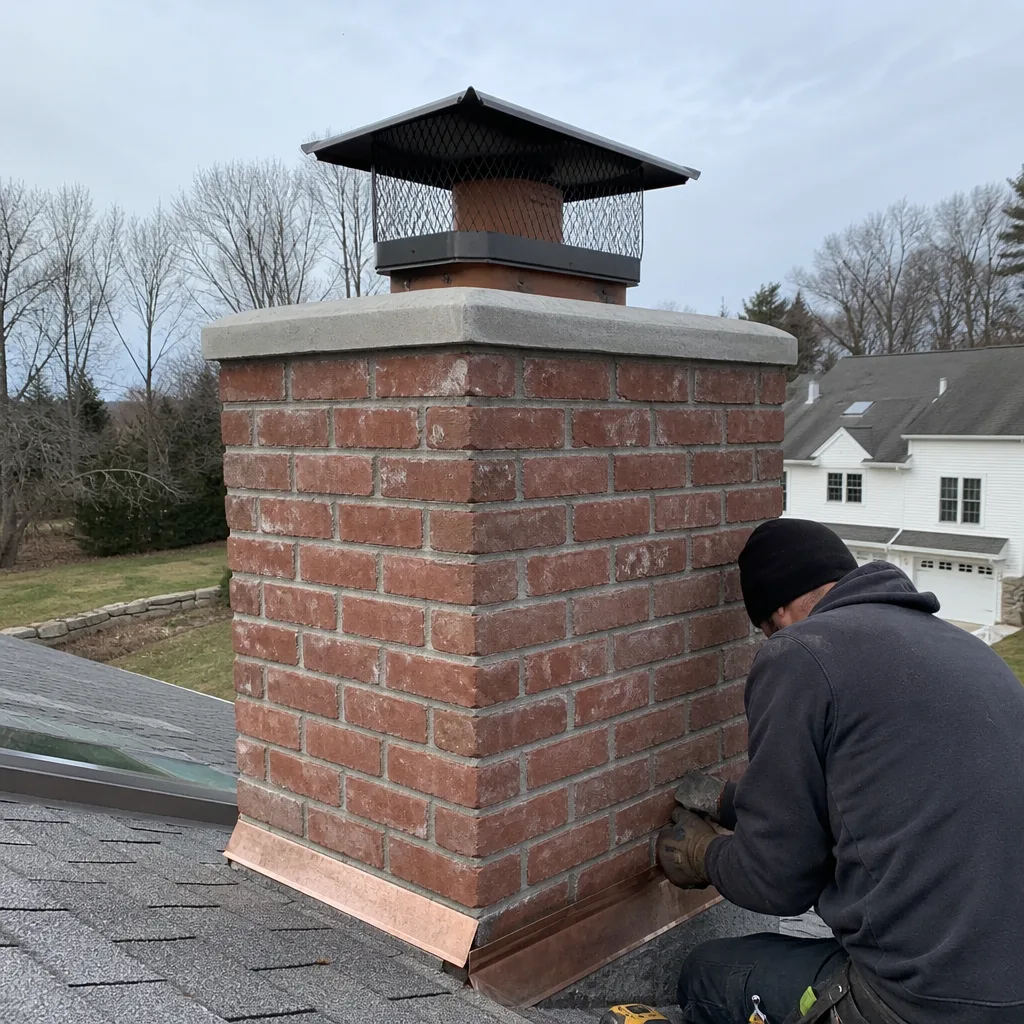
- The cap and crown: the most weather-exposed parts of the chimney. The cap vents smoke and keeps rain and animals out. The crown is the concrete slab on top that sheds water. If either is failing, the cleaning is almost beside the point.
Here’s the local detail most guides skip. Stamford sits on the Long Island Sound, and the salt-laden coastal air eats mortar joints faster than inland climates do. A sweep who grew up here knows to look at the crown and the top courses of brick more carefully than a franchise technician who rotated in from Ohio last spring. Ask anyone on your street with a chimney over 30 years old. Half of them have dealt with a water leak at the top of the chimney, and most of them caught it during what they thought was just a routine cleaning.
If your sweep doesn’t mention the smoke chamber, doesn’t look at the cap, or hands you an invoice without ever putting a camera in the flue, you got half a job. The good news is now you know what to ask for.
Level 1 Inspection vs. Cleaning Alone: Why Stamford Homes Need Both
Most people think a cleaning and an inspection are the same thing. They’re not. A cleaning removes creosote. An inspection evaluates the system. The NFPA defines a Level 1 inspection as the minimum you should do when you have not changed anything about the appliance or the chimney and you use it the same way you always have. It’s a visual check of the readily accessible parts: firebox, damper, flue interior, and exterior from the ground or roof.
Here’s what a Level 1 inspection adds that a cleaning alone does not cover:
- Smoke chamber scrutiny: Stamford’s older Colonial and Tudor housing stock frequently has corbeled brick smoke chambers, which are uneven by design. Those ledges catch creosote and hide cracks. A camera pushed up past the damper is the only way to see what’s happening in there.
- Flue liner assessment: you can brush a liner and still miss a crack or a separated joint. The inspection looks for what the brush can’t fix.
- Clearance to combustibles check: in older Stamford homes, builders sometimes framed too close to the chimney chase. The inspection flags it.
- Appliance connector check: if you have a gas insert or a wood stove, the connector pipe between appliance and chimney gets a once-over.
The practical difference in the field is this: a cleaning is a service. An inspection is a diagnostic. One tells you the chimney is clean. The other tells you whether it’s safe to burn. We have watched too many homeowners pay for a “cleaning” that was essentially a brush run by someone who never put a camera anywhere near the smoke chamber. In Stamford’s older homes, that’s not a corner worth cutting. The camera footage and a plain-English verdict, every time, no exceptions is the standard we hold to on every job we touch. If the company you call won’t show you what the camera saw, keep looking.
The Exact Sequence of a Proper Sweep, Step by Step
You should know what a legitimate sweep looks like from the moment the truck parks. Here is the sequence we follow, and it’s the sequence any reputable chimney cleaning service in Stamford should be able to walk you through before the work starts:
- Ground-level exterior check: before any tools come off the truck, the sweep walks the perimeter and looks at the chimney from the ground. He’s checking for spalling brick, crumbling mortar, a tilted crown, a missing cap, or a chimney that leans. In Stamford’s freeze-thaw winters, this is where the first signs of trouble show up.
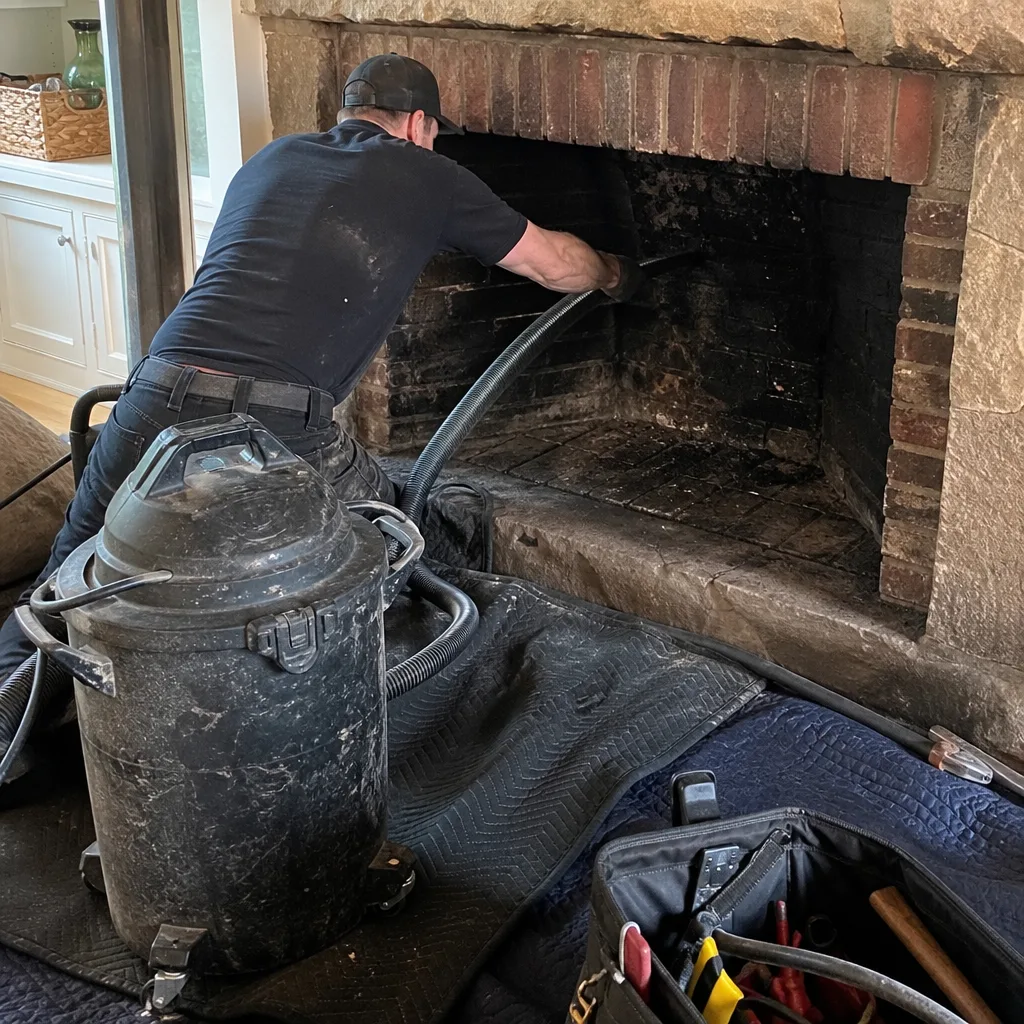
- Interior setup: drop cloths go down in front of the firebox. The area around the hearth gets sealed off. A legitimate sweep leaves your living room cleaner than he found it. If he doesn’t bring drop cloths, that’s a red flag you can spot without any training.
- Damper and firebox inspection: the sweep opens the damper and checks for rust, sticking, or warping. The firebox gets a visual once-over for cracked brick, failing refractory panels, or gaps in the mortar.
- Flue brushing: using a brush sized to your liner, the sweep runs the full length of the flue, usually from the top down. The brush dislodges creosote and soot, which falls into the firebox area where it’s contained by the drop cloths and a vacuum.
- Smoke chamber and smoke shelf cleaning: this is the step a brush-and-go outfit skips. The sweep reaches up through the firebox and cleans the smoke chamber and smoke shelf by hand or with specialized tools. It’s awkward, it’s dirty, and it’s where the worst creosote hides.
- Camera inspection: once the flue is clean, a camera goes up. Now the liner is visible without a coating of soot, and cracks, gaps, or damage that were hidden are suddenly obvious. This is the “plain-English verdict” step. You should see the footage with your own eyes.
- Cap and crown check: if the sweep can access the roof safely, he checks the cap and crown up close. If not, the camera often reveals what the top of the flue looks like from underneath. A missing or rusted cap, a cracked crown, or a damaged flue tile at the very top gets flagged.
- Cleanup and report: drop cloths come up, ash goes out, and the firebox gets a final vacuum. You get a written summary of what was done, what was found, and what, if anything, needs attention. In our case, the report comes with a written guarantee behind it.
That sequence takes a competent sweep 90 minutes to two hours on a standard open fireplace. If someone is in and out in 30 minutes and the invoice says “chimney cleaning,” you have a good reason to ask what exactly they did with that time.
Why Oil-to-Gas Conversions Are a Stamford Problem
Fairfield County has been through a wave of oil-to-gas conversions over the last 20 years, and Stamford is right in the middle of it. Here’s what most homeowners don’t know: when a contractor converts an oil furnace to a gas furnace, the old chimney often stays. The problem is that gas exhaust is chemically different from oil exhaust. Gas produces more water vapor. Oil produces hotter, drier exhaust. A chimney lined for oil was often built without a liner at all in the older homes, or with a clay tile liner sized for a much larger oil flue.
Then the gas man shows up and runs a small connector pipe into the old flue. The liner is now several times larger than the appliance needs, which means the exhaust cools too quickly as it rises. Cool exhaust means condensation. Condensation means moisture wicking into the brick and eating the mortar from the inside out. That’s why so many Stamford homeowners with converted systems suddenly discover spalling bricks and deteriorated mortar joints a few years after the gas conversion.
And here’s the part that ties back to chimney cleaning: a lot of “chimney cleanings” on gas systems skip the liner entirely because there’s no creosote to brush. The sweep looks at the firebox, sees it’s a gas insert, and treats the chimney like it’s not part of the system anymore. But the liner is exactly where the damage is happening. A proper cleaning on a gas-converted chimney includes a camera run up the liner to check for what the condensation has been doing. If the liner was never resized for the new appliance, no amount of brushing will fix that. It takes a new liner, and in Stamford’s older Colonials, that’s a decision worth making before the liner joint completely separates and exhaust starts finding its way into the house.
When we install liners, we use products from Chimney Repair in Stamford work and expect them to last. Brands like Olympia Chimney and Copperfield make liners we trust in the field. The point isn’t the brand name. The point is that a liner installed for the actual appliance connected to it, not the appliance that used to be connected to it, is a safety decision. A sweep who never looks at the liner isn’t doing his job.
Red Flags in Brick Chimneys Built Before 1985
Stamford’s housing stock skews old. A large share of the homes here, particularly the Colonials and Tudors, went up before 1985. That’s not a knock on the homes. They were built well. But chimneys from that era share some specific failure patterns that any homeowner should know about.
Spalling brick. Spalling is when the face of a brick pops off in flakes or layers, usually because water has gotten inside the brick and frozen. Stamford’s winters give us plenty of freeze-thaw cycles, often in a single week. You’ll see spalling most often near the top of the chimney, where the brick takes the brunt of the weather. If you see flaked bricks on the lawn or on the roof near the chimney, that’s not normal aging. That’s water damage that’s been working for years.
Mortar joint erosion. The mortar between bricks wears out faster than the bricks themselves. On a chimney built before 1985, the mortar joints are often 35 to 70 years old. When the mortar starts to recede, you get gaps. Water finds those gaps. The solution is repointing, which is grinding out the old mortar and replacing it with fresh mortar that matches the original. Some national outfits will quote you a tuckpointing job that you don’t need. The honest assessment is: if the mortar is soft enough to scrape with a screwdriver, it needs repointing. If it’s solid, leave it alone.
Rusted dampers. The damper in an older Stamford chimney has been sitting over the firebox for decades, exposed to heat from below and coastal moisture from above. Rust is the normal fate. A rusted damper might still open and close with a fight, or it might be fully seized. Either way, it’s not sealing properly when closed, and it’s a sign the chimney has been holding moisture. The fix is a chimney-top damper, which mounts at the crown and seals far better than the old throat damper ever did.
Cracked crowns. The crown is the concrete slab at the top of the chimney. It’s supposed to shed water away from the flue. Cracks in the crown let water run straight down into the masonry. By the time you see water stains on the ceiling around the chimney chase inside the house, the crown has probably been cracked for years.
These four issues show up in combination on Stamford chimneys more often than people expect. A quick brush-and-go cleaning won’t catch them because the brush never goes near the crown, the mortar joints, or the outside of the brick. The only way to find them is to look, up close, with the intent to find them. That’s the difference between a cleaning checklist and an actual inspection. Our Chimney Cleaning & Sweep in Stamford service has always been built around looking at the whole chimney, not just the inside of the flue.
How Often Should You Clean Your Chimney in Stamford?
The NFPA says at least once a year. The CSIA says the same. And here’s the local angle: once a year, burn or no burn. Chimneys break in the off-season too. You might not light a fire for two winters, and in that time a squirrel can build a nest in the flue, a cap can rust out, and a crown can crack wide open. The annual cleaning is as much about finding what’s wrong as it is about removing what’s built up.
The exact frequency depends on how you burn:
- Open fireplace, occasional use (fires most winter weekends): once a year is right.
- Open fireplace, heavy use (fires most days December through March): twice a year, though in practice most households in Stamford fall into the once-a-year camp even with heavy use.
- Wood stove: once a year at minimum, and check the connector pipe monthly during burn season. Wood stoves build creosote faster than open fireplaces.
- Gas fireplace or insert: the annual cleaning is about system checks rather than creosote. Gas doesn’t create creosote, but it does create condensation issues, so the camera check matters just as much.
There’s a tired belief that if you only burn seasoned hardwood, you don’t need to sweep as often. Seasoned wood produces less creosote, that’s true. It does not produce zero creosote. And the first-degree deposits are exactly the ones you want to catch early. First-degree creosote is a brush job. Third-degree is a glaze. Catch it early. Once third-degree creosote hardens into a glaze, a standard brush won’t touch it. Now you’re looking at chemical treatment or mechanical removal, which costs more and takes longer. The annual sweep is the cheapest insurance against that particular progression. The phone call to schedule it in Stamford is Top Hat Chimney home to any of our service pages to reach a live person, and it takes less time than reading this guide did.
What a Written Guarantee Actually Changes
Most chimney companies, local or national, will tell you the work is guaranteed. Then you ask for it in writing and suddenly the conversation gets vague. A verbal guarantee is worth the air it’s spoken into. A written guarantee changes the entire incentive structure of the job.
Here’s how the 90-Day Done Right Promise works at Top Hat Chimney, and why it matters more than the fine print on the estimate. If the work isn’t done right, one call brings the crew back at no additional cost. That’s it. It’s stamped on every job, in writing. The reason that matters is not that we expect to come back. We don’t. It matters because it puts a cost on cutting corners. A sweep who knows he’ll have to eat the return trip has a real reason to do the cleaning correctly the first time. A sweep who knows he’ll never hear from you again once the truck pulls away has no reason at all.
This is the difference between an owner-operated local business and the national outfits that quote one price on the phone and change it at the door. Wendell Pike has been running Top Hat Chimney since 1999, and he still lives in the community and runs into customers on Saturday. If the job isn’t right, he hears about it at the hardware store. The guarantee isn’t just a piece of paper. It’s a reflection of how the business is actually run. There’s no dispatch center passing you to a call center. There’s a live person answering the phone, 24/7, and it’s often Wendell himself. The number you hear on the phone for pricing is the number on the invoice. No trip charge inside Fairfield County. No upsell pressure at the door. The sweep who shows up is background-checked, in uniform, and working with a real arrival window.
For homeowners in Stamford who have already been through the revolving door of a national chain, the guarantee and the local ownership are the two things that actually change the experience. You can verify the license. You can find the address. You can call and get a person. That’s how the guarantee works in practice, and it’s why we’re willing to put it in writing on every job.
How Much Does a Chimney Cleaning Cost in Stamford?
Here’s the honest answer, the one you should expect when you call any reputable chimney service in Stamford:
| Service | Typical Stamford Price |
|---|---|
| Standard chimney sweep (open fireplace, one flue) | $179 - $289 |
| Chimney sweep with camera inspection | $229 - $329 |
| Additional flue (same visit) | $79 - $129 |
| Smoke chamber cleaning (add-on where not included) | $49 - $89 |
| Chimney cap replacement (standard stainless steel) | $199 - $399 installed |
| Crown repair (small cracks, resurfaced) | $449 - $899 |
| Chimney repointing (per side, partial) | $350 - $700 |
| Liner replacement (stainless steel, common sizes) | $2,500 - $6,000+ |
Those are the numbers you should expect to see in Fairfield County. Anything significantly lower is usually a franchise using the cleaning as a loss leader to get a technician in the door with a script for selling a liner you may not need. Anything significantly higher without a clear explanation is a number worth questioning. The best defense against both is the same: ask for the camera footage, ask what the cleaning includes, and ask whether the price on the phone is the price on the invoice. If you get all three in writing, you’re dealing with a legitimate outfit. If you get hesitation, you’re not.
For Fireplace Services in Stamford, the pricing transparency is the same. The number quoted before the work starts is the number on the final invoice. No surprise fees, no “discovered damage” upcharges at the end of the job. If the camera finds something during the cleaning, you’ll see it with your own eyes and get a separate, plain-English explanation of what it costs to fix and what can safely wait.
Common Mistakes to Avoid
- Hiring the cheapest quote without asking what it includes. A $99 “chimney cleaning” in Stamford is almost always a loss leader. The technician’s job is to find a reason to sell you a $4,000 liner. The cleaning was never the product.
- Skipping the camera inspection. A brush removes what it touches. A camera shows you what’s left. In a pre-1985 Stamford chimney, skipping the camera is like buying a house without an inspection.
- Assuming a gas fireplace doesn’t need a chimney check. Gas produces condensation, not creosote. The condensation causes its own damage. The annual check is about the liner and the venting, not the brush.
- Ignoring a wet chimney smell in summer. That smell usually means water is getting in somewhere, most often the crown or the cap. The chimney is failing more in August than it ever does in January.
- Waiting until the first cold snap to call. Every sweep in Stamford is booked solid the week before the first freeze. The smart move is to schedule the cleaning in late summer or early fall, when the weather is good and the calendar is open.
- Letting a rusted damper slide because “the fireplace still works.” A damper that won’t close bleeds heat all winter and lets moisture in all summer. It’s a $150 fix that saves you hundreds in heating costs over the years.
- Believing the liner was “already checked” during an oil-to-gas conversion. It was probably not checked for gas appliance compatibility. The conversion technician was worried about the appliance, not the chimney. Get the liner looked at separately.
When to Call a Professional
Call a professional chimney sweep when you see any of these: white or brown staining on the chimney exterior (water penetration), a strong campfire-like smell in the house during summer (creosote baking in a damp flue), smoke backing into the room instead of rising up the chimney, visible cracks in the crown or flaking brick on the ground below the chimney, or any sign of animal activity like scratching sounds or nesting material around the firebox. Also call if you’ve just bought a Stamford home and the seller can’t produce a record of the last cleaning. Assume it’s overdue. Top Hat Chimney offers free estimates in Stamford, and the phone number is (475) 242-5865. A live person answers around the clock, and it may well be Wendell Pike himself on the other end.
Frequently Asked Questions
A standard chimney sweep in Stamford runs between $179 and $289 for a single open fireplace. If you add a camera inspection, expect $229 to $329. The price should be quoted before the technician arrives and should not change at the door. Call (475) 242-5865 for an exact quote, and ask whether the price on the phone is the price on the invoice.
That depends on what the camera shows, and you should insist on seeing it with your own eyes. A legitimate sweep will show you the footage and explain what it means. If the liner has separated joints, visible cracks, or was never sized for a gas appliance conversion, the liner may genuinely need replacement. If you’re unsure, get a second opinion. Top Hat Chimney offers a free second opinion on any written estimate, which means you have nothing to lose by having Wendell’s crew take a look before you commit.
Once a year, burn or no burn. The annual cleaning catches creosote buildup before it becomes a glaze, and it’s the best chance to spot rain damage, animal nests, and other Fairfield County weather issues before they become expensive. Chimneys break in the off-season too, so the best time to schedule is late summer or early fall.
First-degree creosote accumulates and eventually hardens into second and third-degree glaze. The thicker the creosote, the higher the risk of a chimney fire. A chimney fire can reach 2,000 degrees and crack the flue liner, which then becomes invisible damage until the next time you light a fire and exhaust leaks into the house. The $179 to $289 cleaning is the cheapest part of owning a fireplace. Skipping it is how a $250 chore becomes a $5,000 repair. Call (475) 242-5865 for an exact quote, and remember that estimates are free.
Yes, and the check is actually more important after conversion. Gas exhaust is cooler and wetter than oil exhaust, which means condensation becomes a year-round issue. The liner and mortar joints need regular camera inspections to catch the damage that the condensation causes. A brush sweep won’t find this. A camera will.
A cleaning removes creosote and debris. A Level 1 inspection evaluates the entire system: firebox, damper, smoke chamber, flue liner, and exterior. The inspection is what catches cracked liners, rusted dampers, and failing mortar joints that a brush will never reveal. In Stamford’s older Colonials and Tudors, you want both, done together, every year.
The Bottom Line
A proper chimney cleaning in Stamford is not a brush run up the flue and a handshake. It’s a full system check that takes 90 minutes to two hours, comes with camera footage you can see for yourself, and includes the smoke chamber, smoke shelf, damper, and cap. The price should be $179 to $289 and should never change at the door. Once a year, burn or no burn. Chimneys break in the off-season too. And the guarantee behind the work matters, which is why every Top Hat job comes with a written 90-Day Done Right Promise, a live person on the phone around the clock, and the name Wendell Pike attached to it since 1999. For more guides & resources on keeping your chimney safe, explore our blog.
Written by Wendell Pike, Owner at Top Hat Chimney, serving Stamford since 1999.