
Last updated September 10, 2026
Level 1 sweep and inspection to the NFPA 211 annual standard - flue, crown, cap, and flashing checked and photographed
Chimney sweep logs do not sweep chimneys. They loosen some creosote - which then falls where a brush and vacuum still have to collect it.
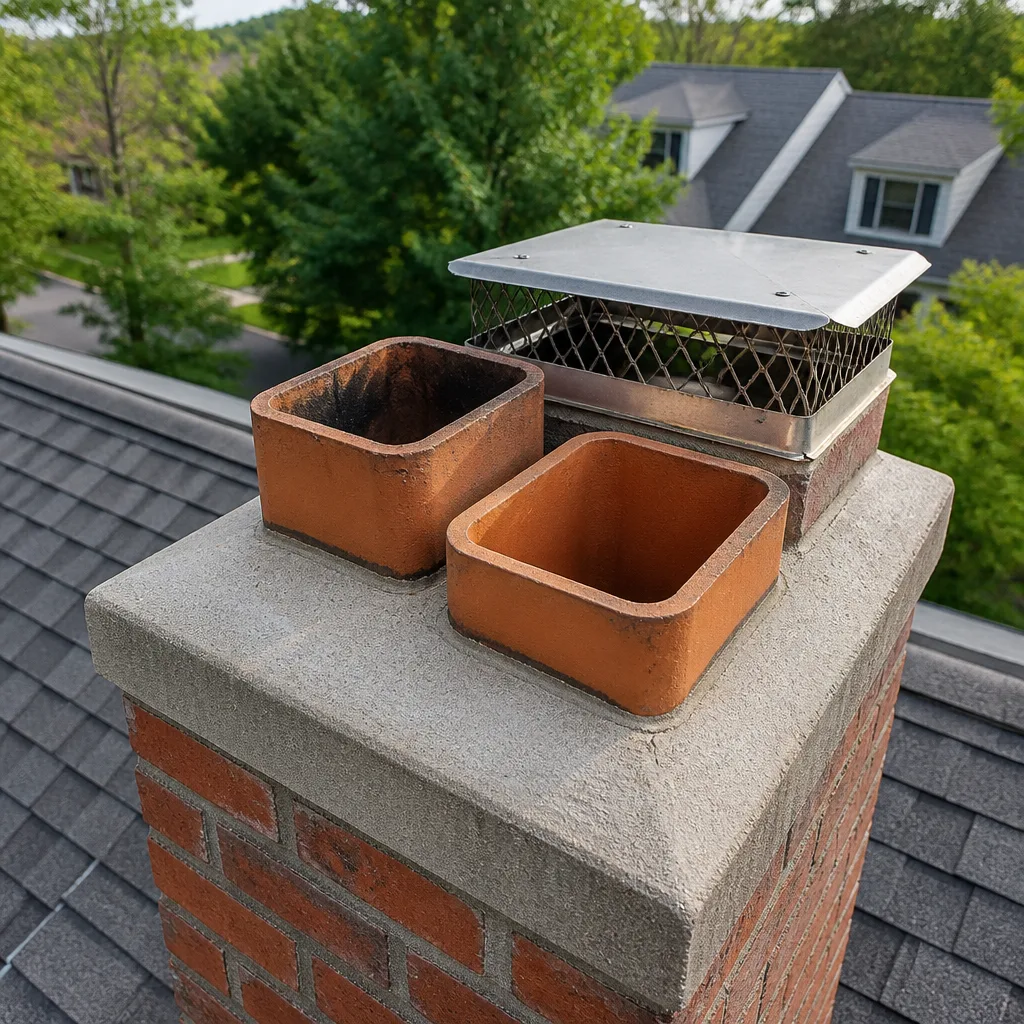
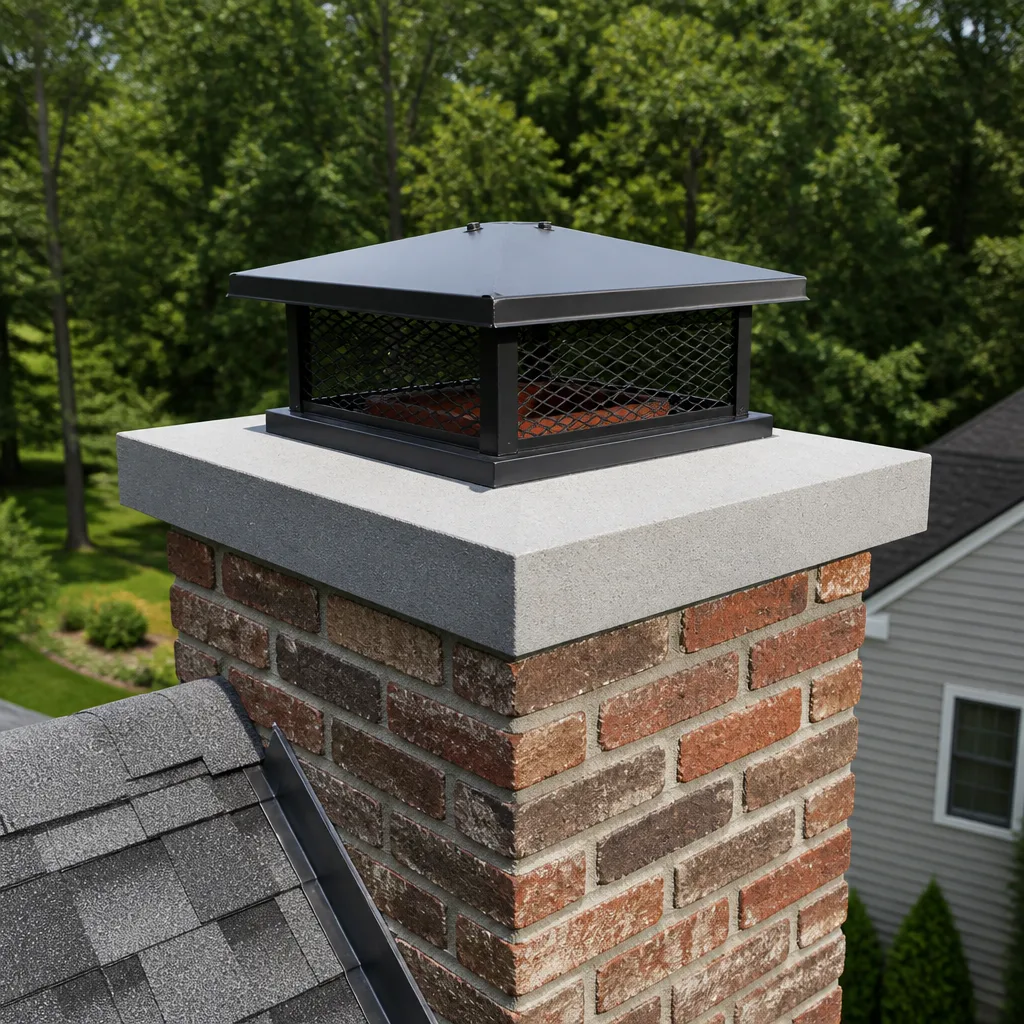
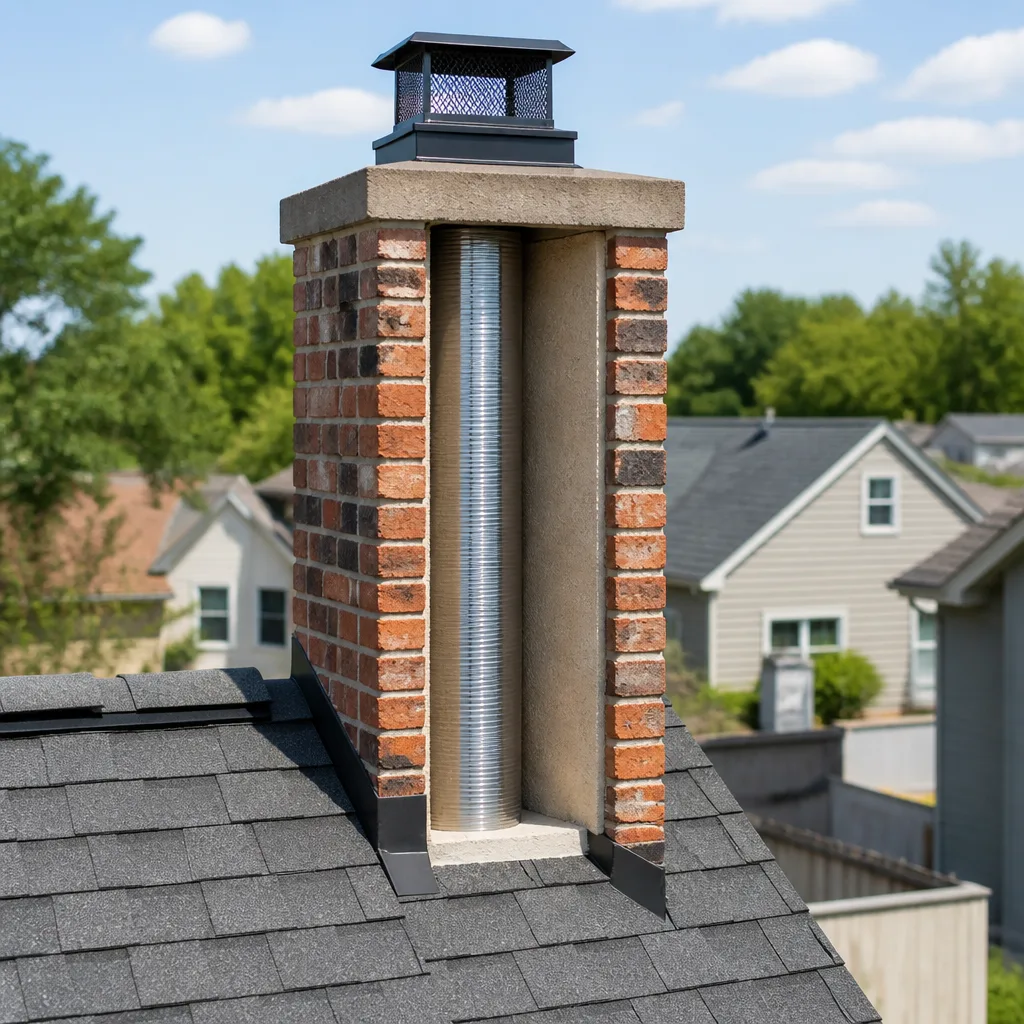
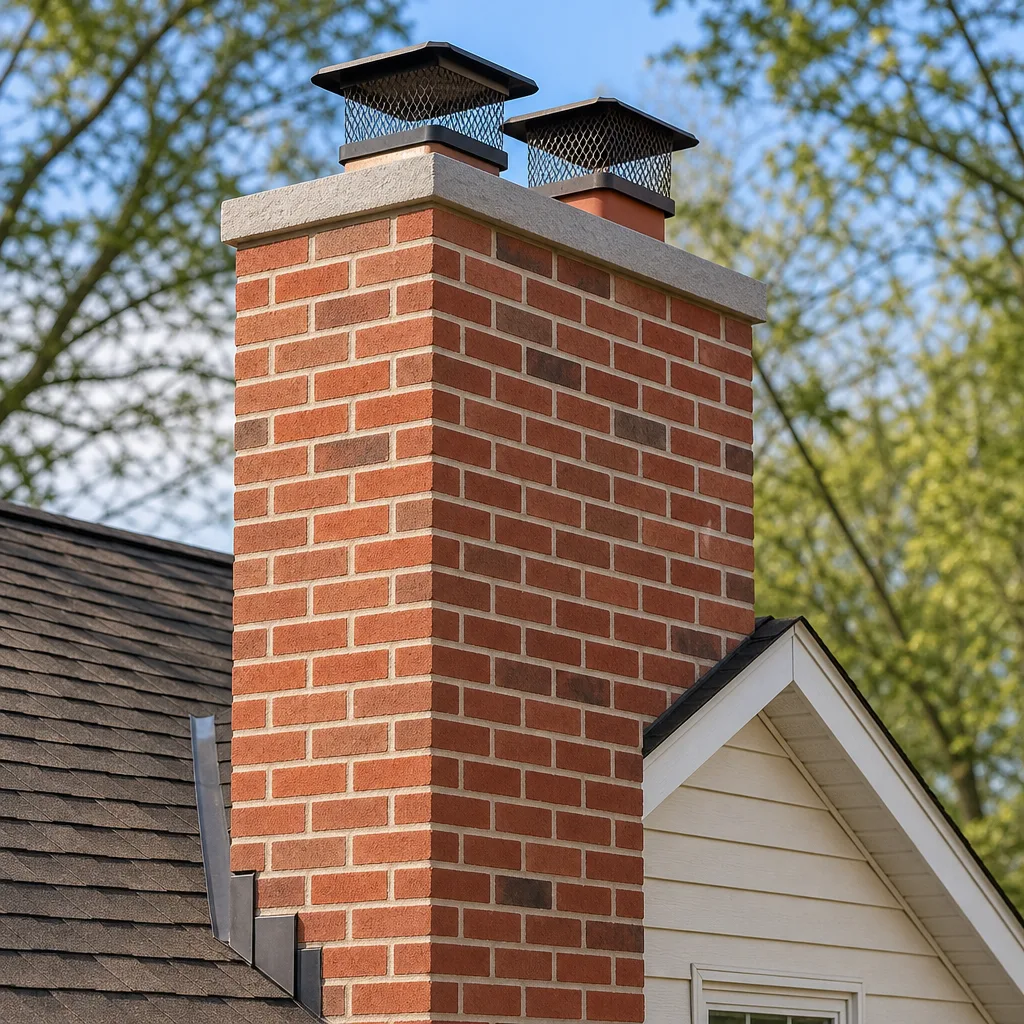
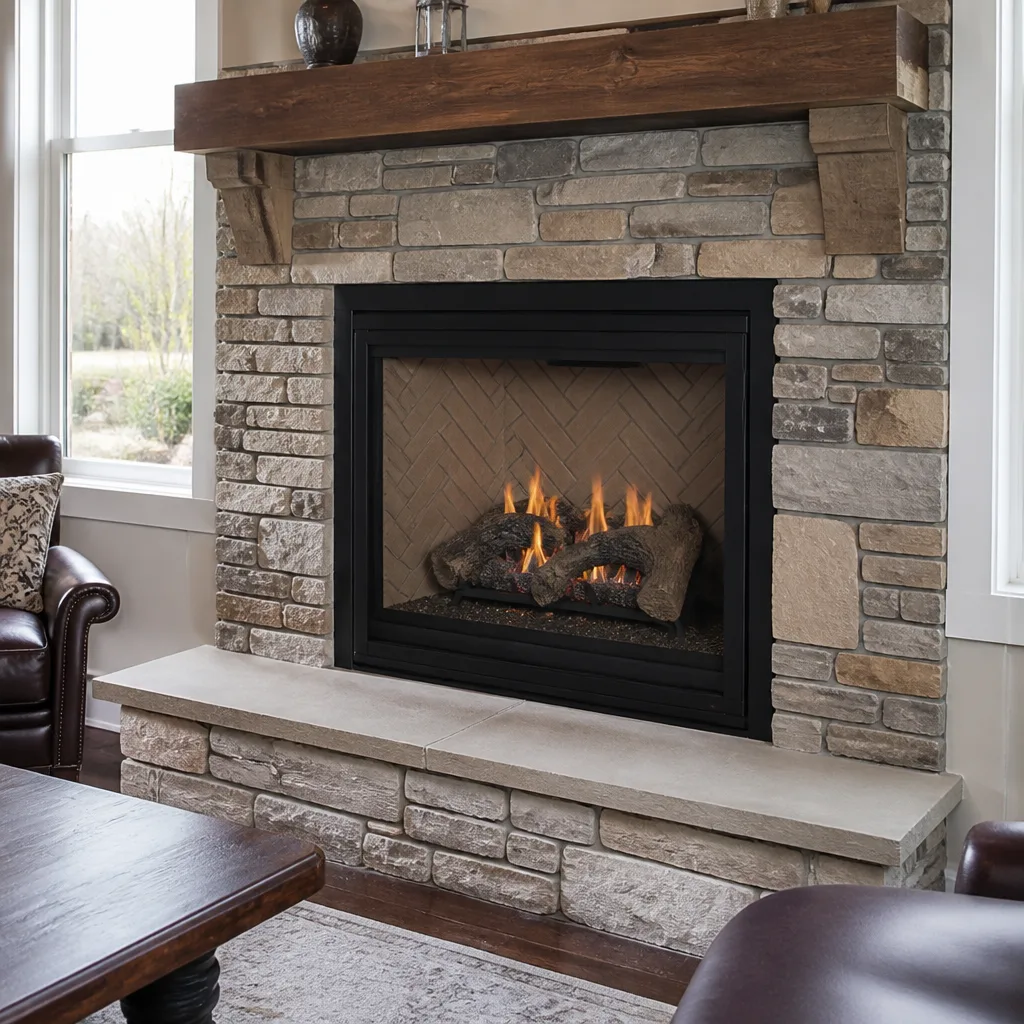
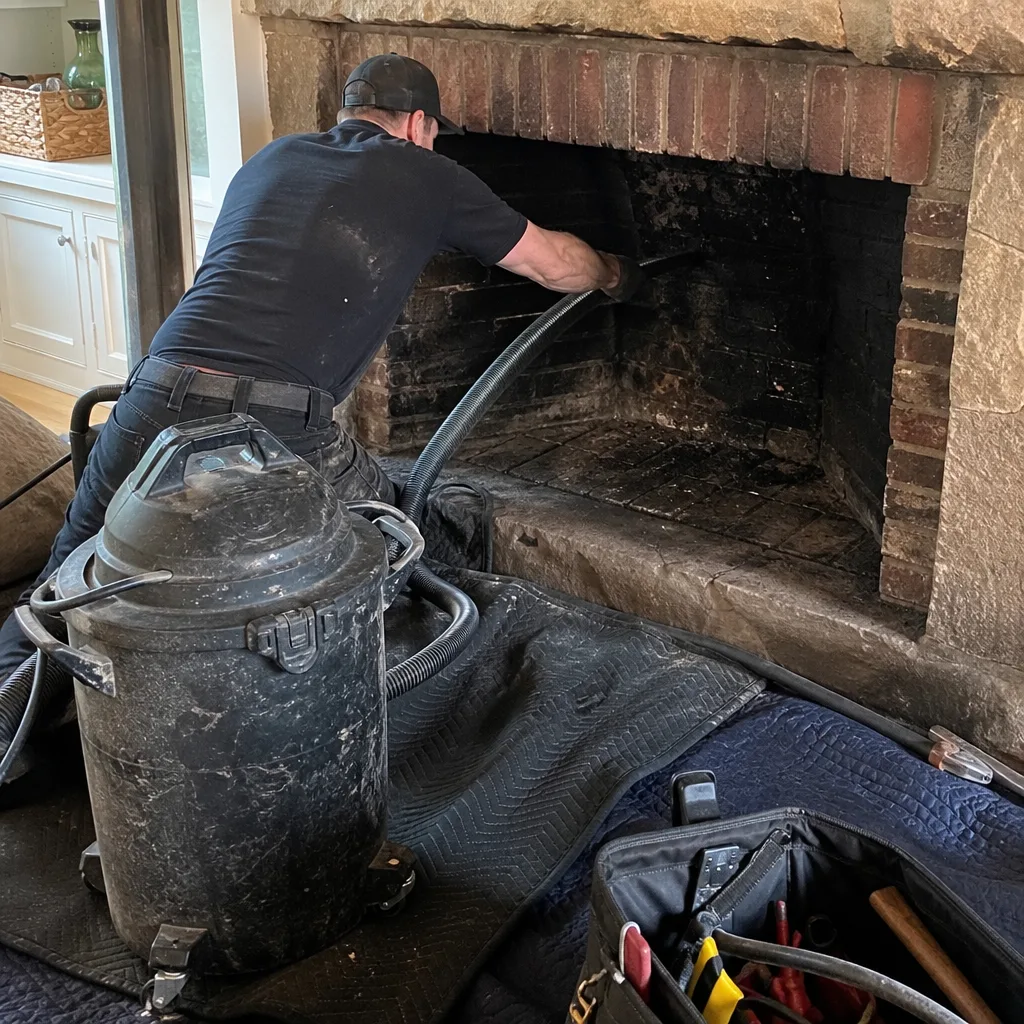 Before
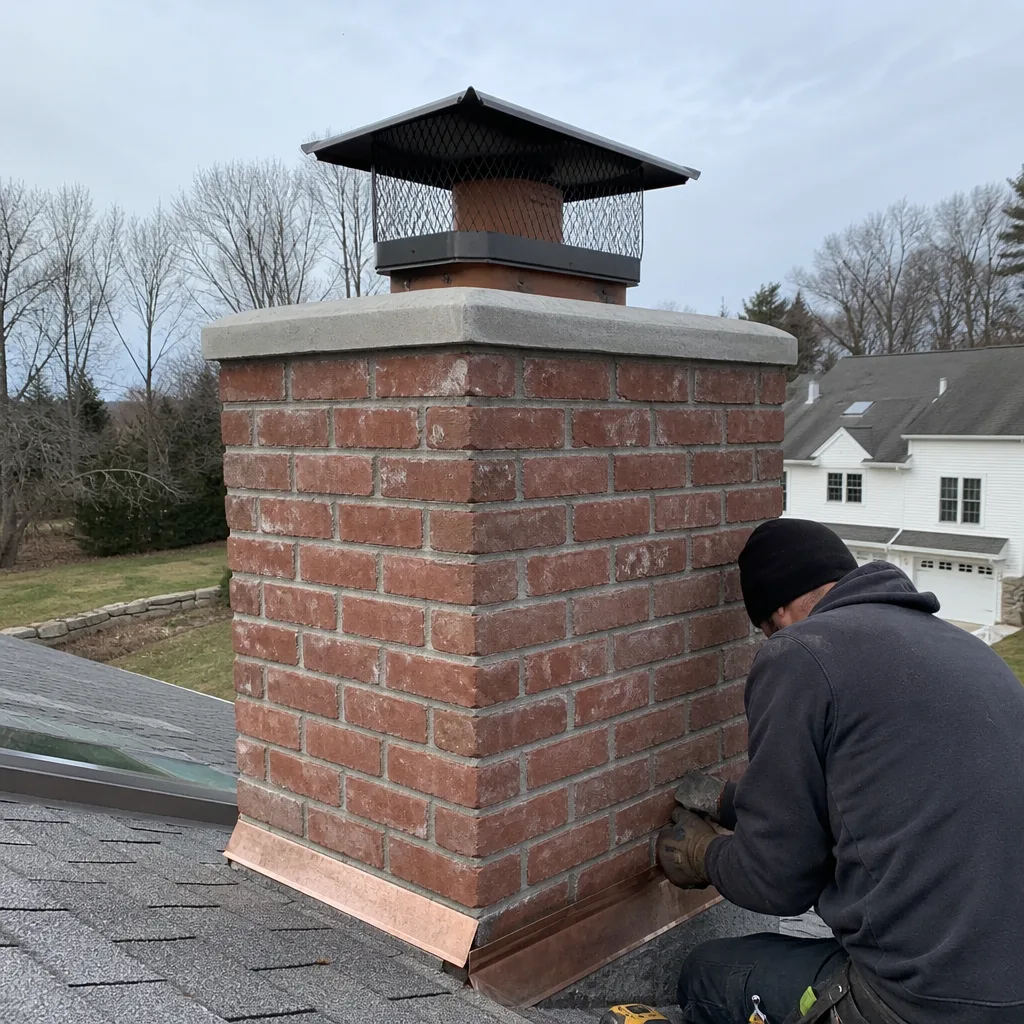 After
After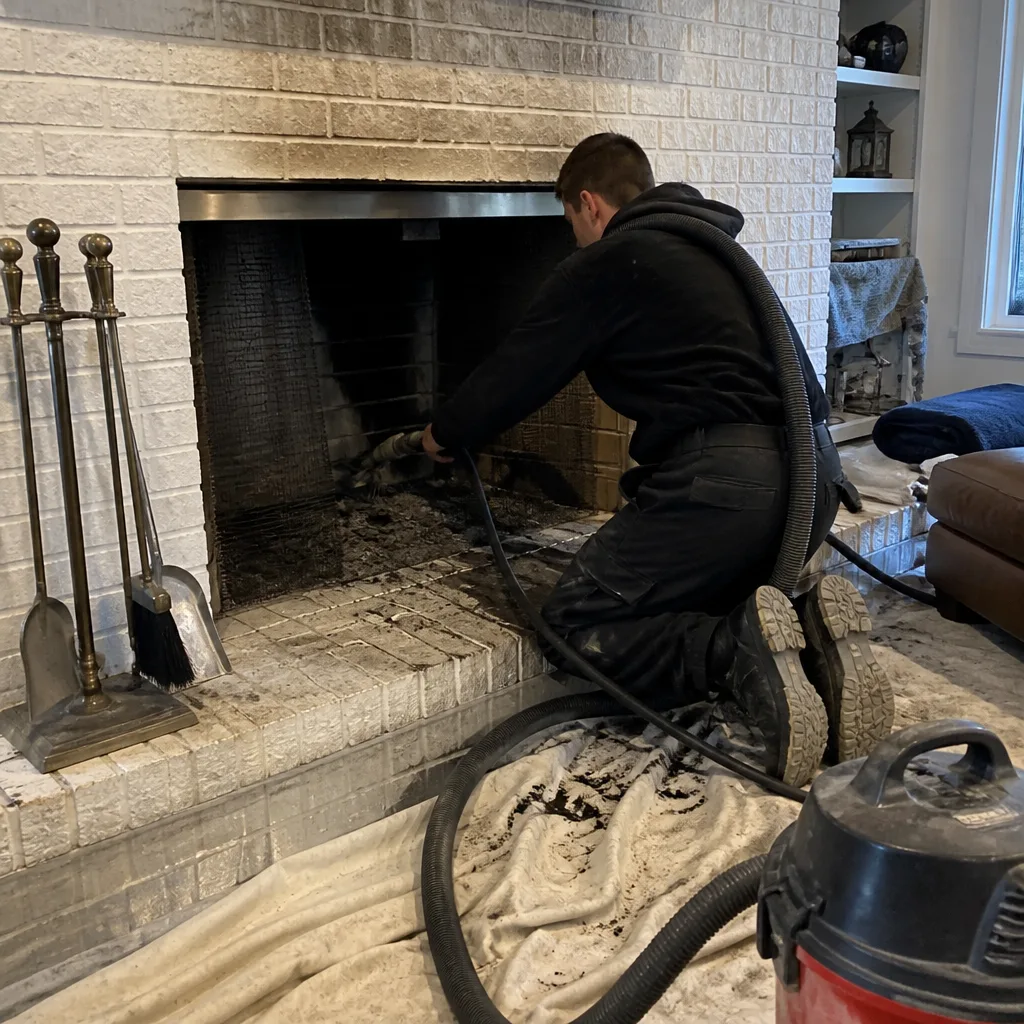 Before
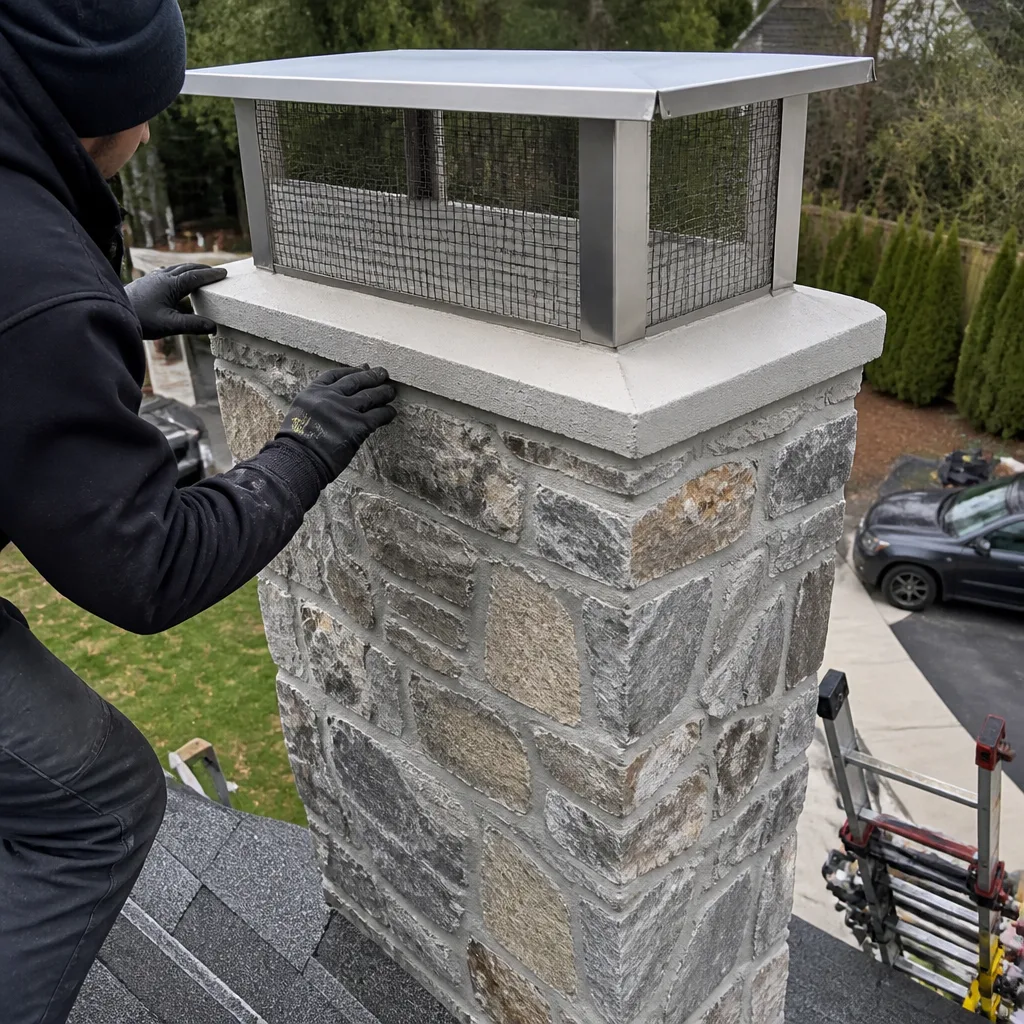 After
After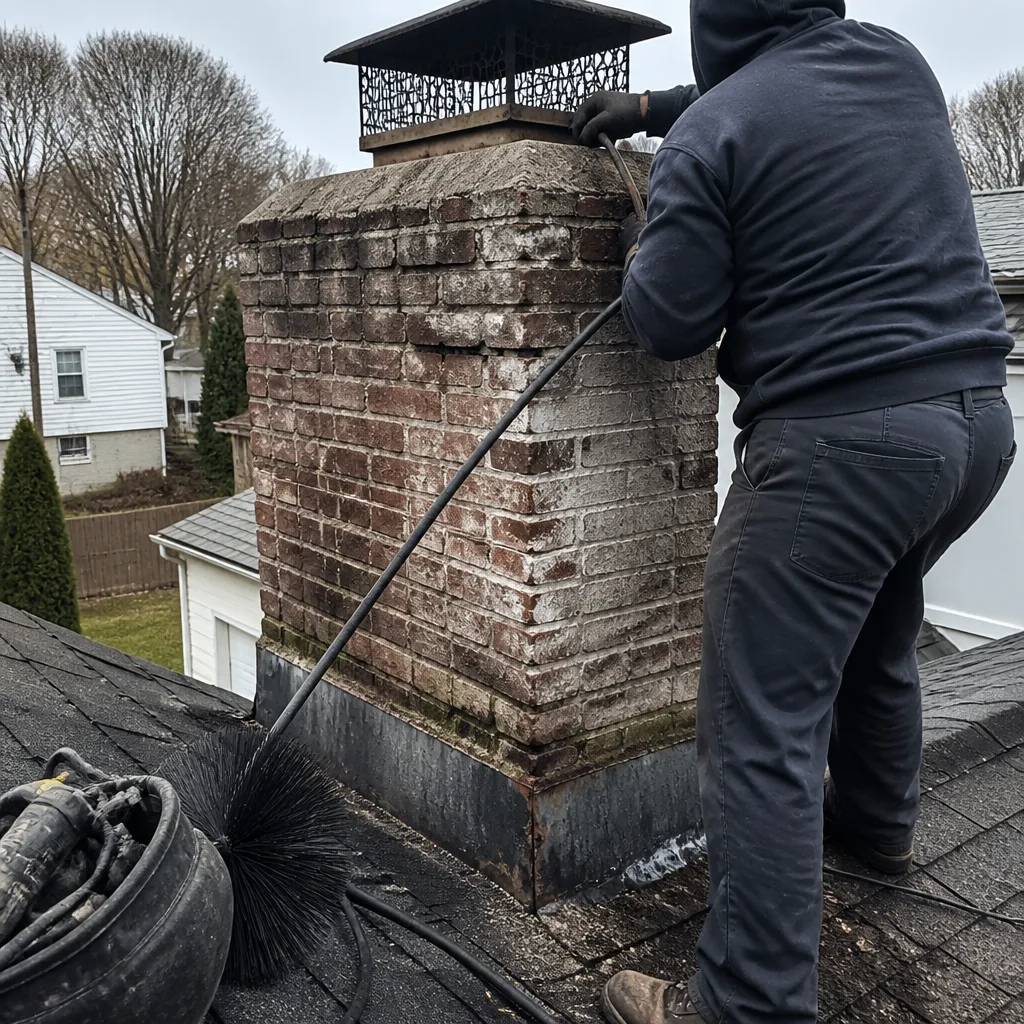 Before
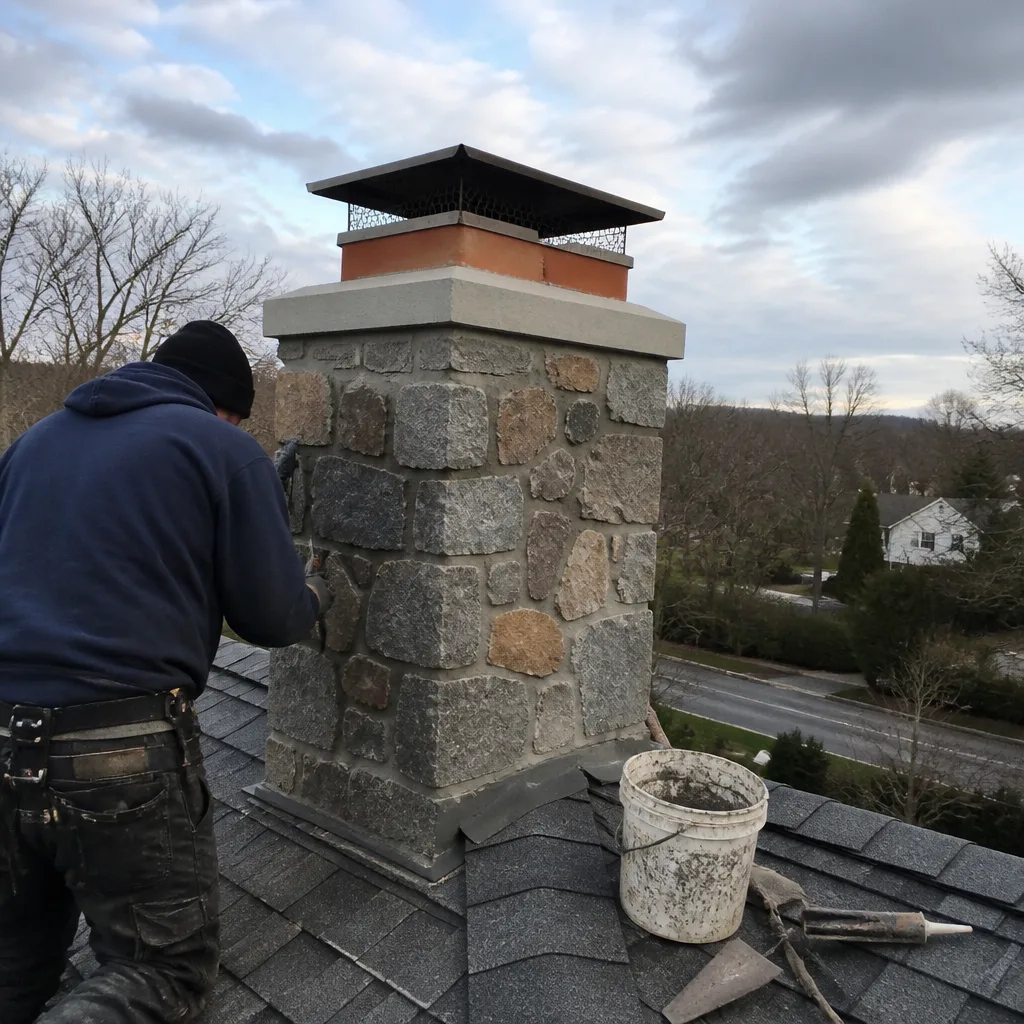 After
AfterChimney Cleaning Permits, Codes & Inspections in CT: What You Need to Know
Here’s the part nobody tells you when you book a $99 chimney cleaning: the cleaning itself rarely needs a permit anywhere in Connecticut, but what the sweep finds inside the flue can flip the whole job into permit territory fast. A cracked flue tile, a missing liner, a clearance violation behind the drywall - each one can trigger repair work that requires a building permit and a municipal inspection before you’re legal again. We see this every season in Stamford, where homeowners call us after another company quoted a cleaning, found a problem, and left without explaining what happens next. This guide walks you through the actual rules, the permits, the inspection levels, and how Fairfield County towns differ from each other.
Quick Answer
In Connecticut, routine chimney cleaning and sweeping - as covered in our Complete Guide to Chimney Cleaning in Stamford - does not require a permit. However, if the cleaning or a related inspection uncovers damage that needs repair - a new liner, crown rebuild, flue repair, or masonry work - that repair typically requires a building permit and municipal inspection in most Connecticut towns, including Stamford, Greenwich, and Darien. The confusion happens because the $99 cleaning quote never mentions the second half of the process.
Table of Contents
- What the Connecticut Residential Code Actually Says About Chimneys
- NFPA 211 and the Three Levels of Chimney Inspection
- What Work Triggers a Permit in Stamford vs. Greenwich vs. Darien
- When a Real Estate Transaction Forces a Chimney Inspection
- How to Get Documentation That Satisfies an Inspector or Insurer
- Insurance Claims and Chimney Repairs: What Adjusters Ask For
- What Permits and Inspections Actually Cost in Fairfield County
- Common Mistakes to Avoid
- When to Call a Professional
- Frequently Asked Questions
- The Bottom Line
What the Connecticut Residential Code Actually Says About Chimneys
Connecticut adopts the International Residential Code (IRC) with state-specific amendments, and the chimney chapter is Chapter 10. The rules that matter for homeowners fall into a few clusters: clearances from combustible materials, liner requirements, and structural integrity. In plain English, here’s what the code demands of your chimney.
Clearance to combustibles. A masonry chimney needs a minimum 2-inch air space between the outside of the chimney and any wood framing, unless the chimney was built to a different listed standard. When we inspect older Stamford homes in neighborhoods like Springdale or Shippan, we often find framing tight against the masonry - fine when built in 1952, a violation under current code, and a real problem if you’re renovating and exposing the chase.
Liners. If you have an appliance or fireplace venting into a masonry chimney, the code requires a clay tile liner or a listed metal liner, and it must be sized for the appliance. A missing or cracked liner is not just an efficiency issue - it’s a code issue. The moment a sweep documents it, repairs stop being optional.
Chimney height and termination. The code requires a chimney to extend at least 3 feet above the point where it passes through the roof, and at least 2 feet above anything within 10 feet horizontally. Short chimneys are common on older Fairfield County colonials and capes, and they cause draft problems even when everything else is sound.
Here’s the part most homeowners miss: a routine Chimney Cleaning & Sweep in Stamford is a maintenance activity. The code doesn’t require a permit for maintenance. But the code also says a chimney that is unsafe must be repaired or taken out of service, and once you’re making repairs, the permit requirement kicks in. That’s the gap between what you were quoted and what you’re legally obligated to do.
What the code says about existing chimneys
Connecticut runs on a principle called “existing building code” logic. A chimney that was legal when it was built can remain in service, even if it doesn’t meet today’s clearance numbers. But if you alter it, repair it, or rebuild any portion, that work must meet the current code at the time of the repair. It’s the same reason replacing a roof in Stamford triggers a permit and an inspection while leaving the 1978 roof in place doesn’t. Your chimney isn’t grandfathered forever once you start touching it.
NFPA 211 and the Three Levels of Chimney Inspection
Connecticut does not have a separate state chimney code. The reference standard that governs chimney inspections is NFPA 211, the National Fire Protection Association’s standard for chimneys, fireplaces, vents, and solid fuel burning appliances. When a Stamford building official, an insurance adjuster, or a home inspector talks about chimney condition, they’re measuring against NFPA 211. It defines three inspection levels.
Level 1 inspection
A Level 1 inspection covers the readily accessible portions of the chimney: the firebox, the damper, the visible flue interior, and the exterior cap and crown. We perform a Level 1 during every routine cleaning. It’s a visual check with the equipment we already have on site, and it’s appropriate when the chimney has not changed in service and no issues are suspected.
Level 2 inspection
A Level 2 inspection adds scanning equipment - typically a camera system - to examine the interior surfaces of the flue that you can’t see from the top or the firebox. It’s required whenever there’s been a change: a property transfer, a furnace or boiler replacement that connects to the chimney, a chimney fire, or an exterior event like a lightning strike or a tree falling on the roof. If you’re buying or selling a home anywhere in Connecticut, this is the inspection level that gets discussed.
Level 3 inspection
A Level 3 inspection involves opening up concealed areas of the chimney or building to access inaccessible portions. That means removing drywall, siding, or masonry. It’s rare and reserved for cases where a Level 2 inspection found something that requires further investigation - usually significant structural damage or a suspected hidden fire pathway. We’ve done Level 3 work in Stamford where a flue fire had cracked tiles inside an enclosed chase and no one would know without opening the wall.
Why does this matter for permits? Because a Level 2 inspection produces documentation - still photos or video - and that documentation becomes the trigger for the permit conversation. A building official who sees a cracked flue tile on camera won’t sign off on anything until the repair is pulled, permitted, and inspected.
What Work Triggers a Permit in Stamford vs. Greenwich vs. Darien
Fairfield County is not one permitting regime. Each municipality runs its own building department with its own interpretation of the state building code. Here’s what we’ve learned from pulling permits across all three towns.
Stamford
Stamford’s building department requires a permit for chimney liner installations, chimney rebuilds, firebox reconstruction, and any structural repair to the chimney. A simple sweep and cap replacement? No permit. A stainless liner? Permit. The city also requires a final inspection before the job can be closed. We work with Stamford’s inspection schedule regularly, and the process is straightforward once the paperwork is started correctly.
Greenwich
Greenwich is more particular. The building department wants details on liner type, UL listing, and clearances, and they’re known to ask for manufacturer documentation. They also enforce the 10-foot. 2-foot chimney height rule more aggressively than neighboring towns. Greenwich processes permits efficiently if the application is complete, but incomplete paperwork stalls for weeks.
Darien
Darien falls somewhere in the middle. Liners and rebuilds need permits, and so do crown repairs if they involve structural work. A cosmetic crown skim coat may not need anything. The practical advice: when in doubt, call the local building department and ask. Five minutes on the phone answers the question, and every town’s staff has been helpful when questions are specific.
One Stamford-specific fact worth knowing: the city maintains a searchable online permit database. If you’re buying a home, you can check whether prior chimney work was permitted. A liner installed without a permit creates a disclosure problem for the seller and a repair obligation for the buyer. We’ve helped homeowners in Shippan and North Stamford resolve exactly that situation.
When a Real Estate Transaction Forces a Chimney Inspection
Connecticut’s residential property disclosure report asks sellers what they know about the condition of the chimney and fireplace. Most sellers check “not aware” and move on. But when a home inspector flags a chimney issue during the buyer’s inspection period, everything changes.
Here’s the sequence we see again and again:
- Buyer’s home inspector notes “evidence of past chimney fire” or “cracked flue tile observed.”
- Buyer requests a Level 2 chimney inspection by a qualified sweep.
- The Level 2 inspection produces camera footage. If the footage shows a real problem, the buyer now has leverage.
- Negotiation happens. Either the seller repairs before closing, or the buyer credits the repair cost against the purchase price.
- If the work requires a permit, the municipality wants to see it completed and closed before the new owner takes occupancy.
The key phrase in step five is “closed before.” An open permit is a lien on the property in practical terms. It must be resolved. A chimney repair started but not inspected can delay closing, and no one on either side of the table wants that.
Sellers in Stamford should know that failing to disclose a known chimney issue that later causes a fire is not just awkward - it’s a legal exposure under Connecticut’s disclosure obligations. That’s why we tell sellers the same thing we tell buyers: get the inspection, get the documentation, and resolve issues before they become closing problems. A Chimney Repair in Stamford done properly with permits protects everyone involved.
How to Get Documentation That Satisfies an Inspector or Insurer
The difference between a chimney job that sails through review and one that stalls is documentation. Building departments and insurance adjusters want the same thing: clear evidence that the work was done correctly and that the chimney is now safe. Here’s what to request from your sweep.
- Pre-repair camera footage. This is the evidence of what was wrong. It justifies the repair, the liner installation, or the rebuild. Without it, an adjuster may say the work was discretionary.
- Post-repair camera footage. This shows the condition after the fix. It proves the repair addressed the problem. We give every customer both sets of footage, every time, no exceptions.
- Written report with measurements. If a liner was installed, the report should state the diameter, material, UL listing, and liner length. If a crown was rebuilt, the report should specify materials and slope. If clearances were corrected, state the measured clearance in inches.
- Permit number and inspection date. If the work required a permit, the final report should reference the permit number and the date of the passing inspection. An insurance adjuster will ask for this.
- Manufacturer documentation for installed parts. If you or we installed a DuraFlex liner or a HeatShield resurfacing system, keep the manufacturer’s spec sheet. It’s the proof that a listed product was used, not a generic knockoff.
We’ve had customers in Stamford who needed this documentation two or three years after the job because an insurance claim or refinance raised a question. A good sweep keeps records. Ask before hiring whether documentation is included. If it isn’t, walk away.
Insurance Claims and Chimney Repairs: What Adjusters Ask For
Chimney-related insurance claims in Connecticut typically fall into two buckets: storm damage (a tree branch through the cap, a lightning strike, a chimney crown cracked by ice) and fire claims where the chimney was involved. Adjusters handle these differently.
For storm damage, the adjuster wants to see before-and-after documentation and an itemized repair estimate. If the chimney had a pre-existing condition - say, an old crown that was already failing before the storm - the adjuster may deny part of the claim. This is why we tell Stamford homeowners something simple: if you know you have a problem, address it before it becomes an insurance negotiation. The camera footage from a routine cleaning gives you the evidence to make a claim cleanly when something happens later.
For fire claims, the burden is higher. An adjuster will ask whether the chimney had been inspected and swept, and at what frequency. If you cannot document maintenance, the insurer may deny coverage on the basis of neglect. NFPA 211 recommends annual inspection and cleaning as needed. A paper trail of annual service matters more than you’d think.
We’ve worked with several insurers in the state who accept our reports as documentation for both cleaning history and repair quality. The formula is consistent: camera evidence plus a plain-English written verdict plus manufacturer specs for installed products.
What Permits and Inspections Actually Cost in Fairfield County
Permit fees for chimney work in Connecticut vary by town, and they’re generally not expensive compared to the repair itself. Here’s a realistic picture based on what we see in Stamford and the surrounding towns.
| Item | Typical Range in CT |
|---|---|
| Building permit for chimney liner | $50 - $150 depending on town |
| Building permit for chimney rebuild | $100 - $250 depending on scope |
| Municipal inspection fee | Usually included in permit fee; some towns add $25 - $50 |
| Level 2 camera inspection (standalone) | $150 - $300 in Fairfield County |
| Chimney cleaning with Level 1 inspection | $180 - $300 in Stamford, depending on flue size and condition |
| Stainless liner installation (parts and labor) | $2,500 - $6,500 depending on height, bends, and access |
These are planning numbers, not quotes. Every chimney is different, and access is the variable that moves the price most. A straight two-story chimney in Westover with a ladder-friendly roof runs less than a three-story center-hall colonial in North Stamford with a steep pitch and a flue with two offsets. The permit fee stays fixed; the labor moves. Call (475) 242-5865 for an exact quote on your specific setup. We give the number before any tool comes off the truck, and it matches the invoice.
Common Mistakes to Avoid
- Skipping the permit because the contractor says “we’ll handle it later.” An unpermitted liner installation in Stamford creates a cloud over the title when you sell. Get the permit number on the invoice, not a promise.
- Accepting a visual-only inspection as sufficient for a real estate transaction. A Level 1 will not satisfy a cautious buyer or a thorough home inspector. Ask for a Level 2 with camera documentation.
- Assuming the $99 special includes what the code requires. That price covers a cleaning, not a code-compliance inspection. If someone quotes you $99 and claims it includes a full camera inspection, ask how. Camera gear costs money, and so does the person running it.
- Not asking what documentation you’ll receive. A handwritten receipt with “cleaned chimney” on it is not a report. If the job matters, the paperwork matters.
- Replacing a furnace without addressing the existing chimney. A new high-efficiency furnace on an old unlined masonry flue is a code problem and a health risk. This is the most common retrofit mistake we see in older homes around Fairfield County.
- Ignoring the height rule. A chimney that doesn’t terminate 3 feet above the roof line and 2 feet above anything within 10 feet will draft poorly. People replace dampers and clean flues trying to fix a problem that’s actually on the roofline.
- Waiting until November to address a known issue. Every sweep in Connecticut is slammed between September and January. A permit pulled in August gets processed in days. A permit pulled in November takes weeks. Chimneys break in the off-season too.
When to Call a Professional
You need a professional when a Level 1 cleaning turns up something that needs a Level 2 look; when you’re buying or selling a home and the chimney has never been camera-inspected; when you’ve had a chimney fire, even a small one; when an applicance change is on the table; or when you’re looking at a repair estimate and the contractor can’t provide the documentation this guide describes. We’re in the field across Stamford, Greenwich, and Darien every week, and we’re glad to help. Top Hat Chimney offers free estimates in Stamford - call (475) 242-5865 and Wendell or his crew will give you a straight answer and a written quote before any work begins.
Frequently Asked Questions
No. Routine chimney cleaning and sweeping is a maintenance activity and does not require a permit anywhere in Connecticut. The permit requirement only arises when the cleaning uncovers damage that requires repair - a liner replacement, a rebuild, or structural work - and that repair is what triggers the building department review.
A Level 1 inspection is a visual check of the accessible parts of the chimney during a routine cleaning. A Level 2 inspection adds camera scanning of the interior flue and is required when there’s been a property transfer, an appliance change, a chimney fire, or an external event like a lightning strike. The Level 2 produces the documentation that matters for permits, insurance, and real estate.
Stamford requires permits for liner installations and structural repairs and has a searchable online permit database, which makes it easy to check prior work. Greenwich enforces chimney height and clearance rules aggressively and asks for detailed manufacturer documentation. Darien requires permits for structural repairs but is more relaxed about cosmetic crown work. All three require a final inspection before the permit closes.
The work is technically out of compliance, which creates problems when you sell the house, file an insurance claim, or try to get future work inspected. An open, unpermitted repair can delay a closing and may need to be brought into compliance retroactively, which is more expensive than doing it correctly the first time. Call (475) 242-5865 if you’re not sure where you stand.
NFPA 211 recommends an annual inspection and cleaning as needed. Once a year, burn or no burn. Chimneys age in the off-season too: freeze-thaw cycles in Fairfield County winters crack crowns and mortar, and those problems get worse while the fireplace sits unused from April to November.
If you file a chimney-related fire claim, your insurer will ask about cleaning and inspection history. A documented annual service record is your best protection against a neglect-based denial. Keep the reports, the camera footage, and the invoices together. A single folder with ten years of records beats a vague promise that you “took care of it.”
The Bottom Line
Cleaning your chimney in Connecticut is simple. Navigating what the cleaning uncovers is where homeowners get lost. The $99 quote never mentions permits, inspection levels, or documentation, but those are the parts that determine whether you’re safe, compliant, and protected. Your flue doesn’t care how the fire looks; it cares how it breathes. Get the cleaning done, ask for the documentation, pull the permit when the work requires it, and save yourself the closing delay or denied claim later. We’ve been doing this in Stamford since 1999, and we’re still answering the phone. For more guides & resources, visit our blog.
Written by Wendell Pike, Owner at Top Hat Chimney, serving Stamford since 1999.