
Last updated September 10, 2026
Level 1 sweep and inspection to the NFPA 211 annual standard - flue, crown, cap, and flashing checked and photographed
Chimney sweep logs do not sweep chimneys. They loosen some creosote - which then falls where a brush and vacuum still have to collect it.
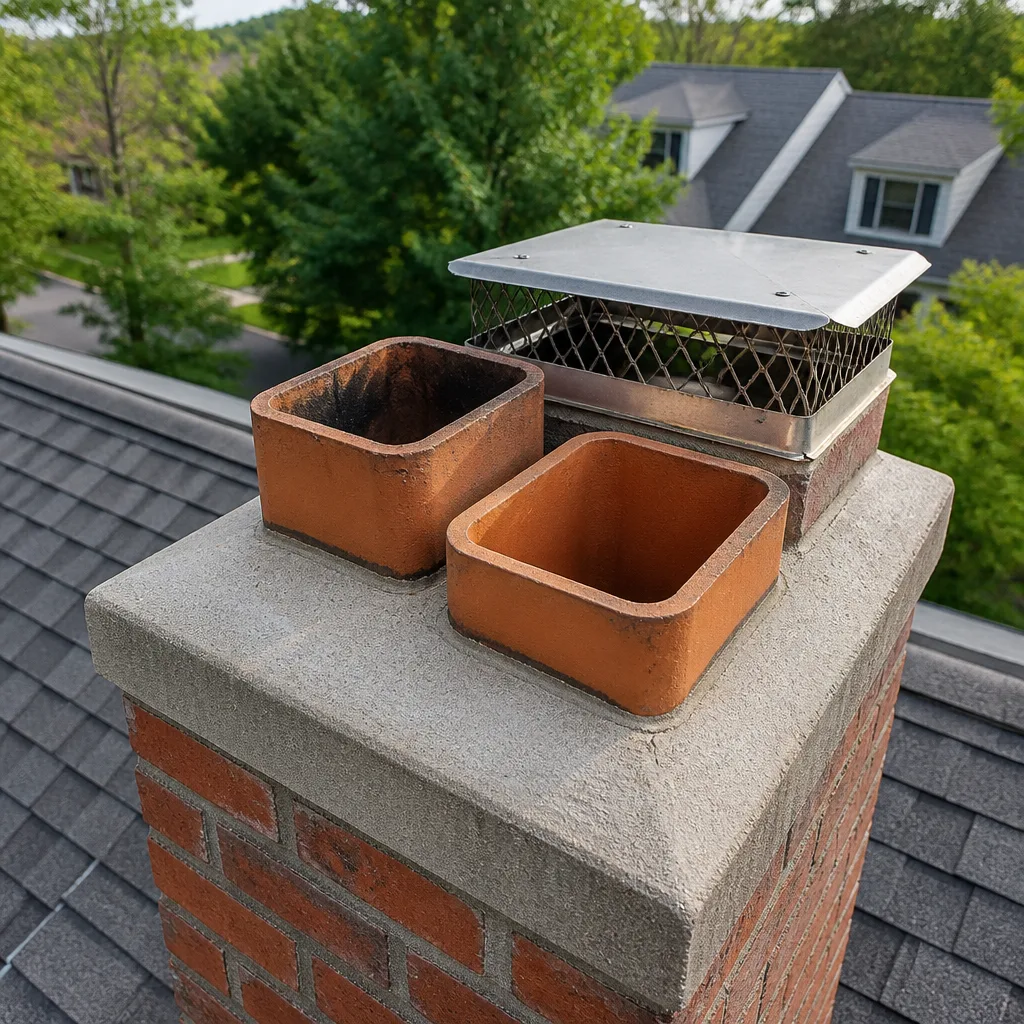
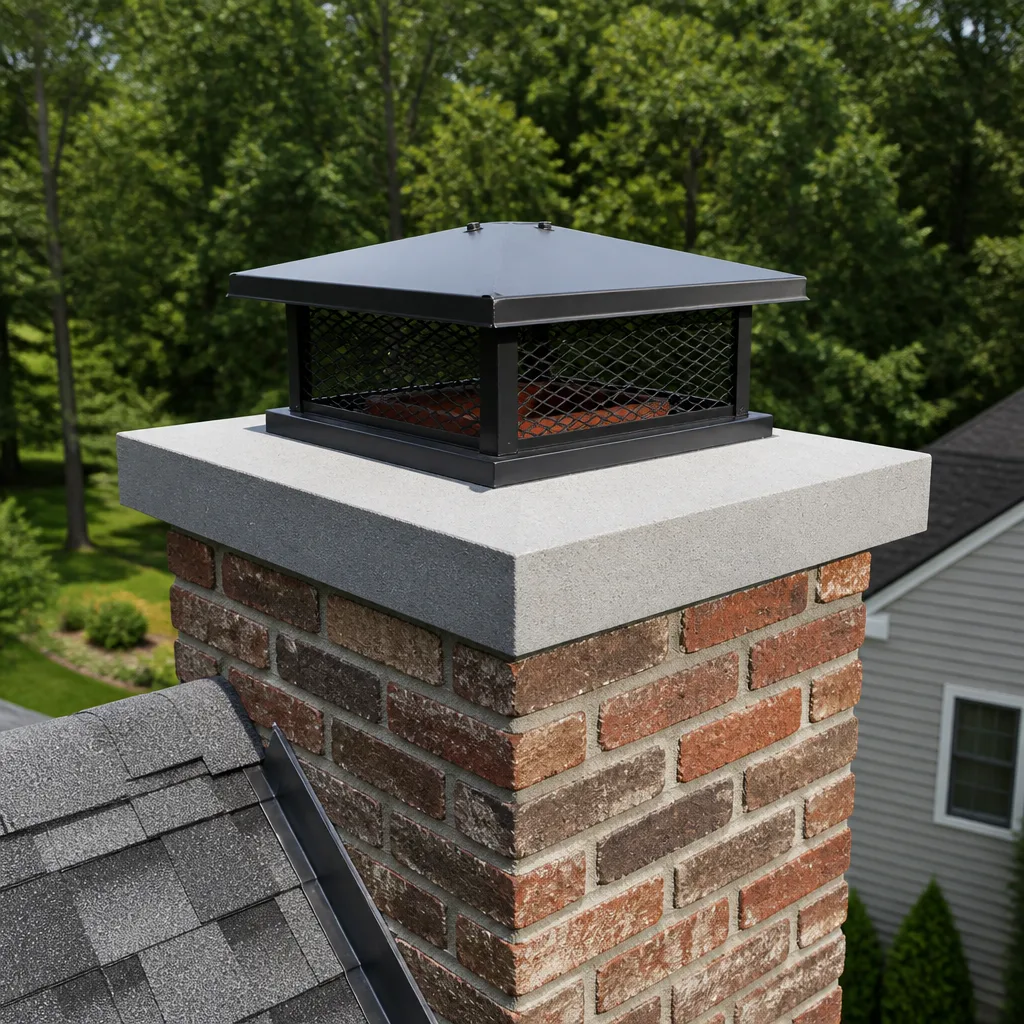
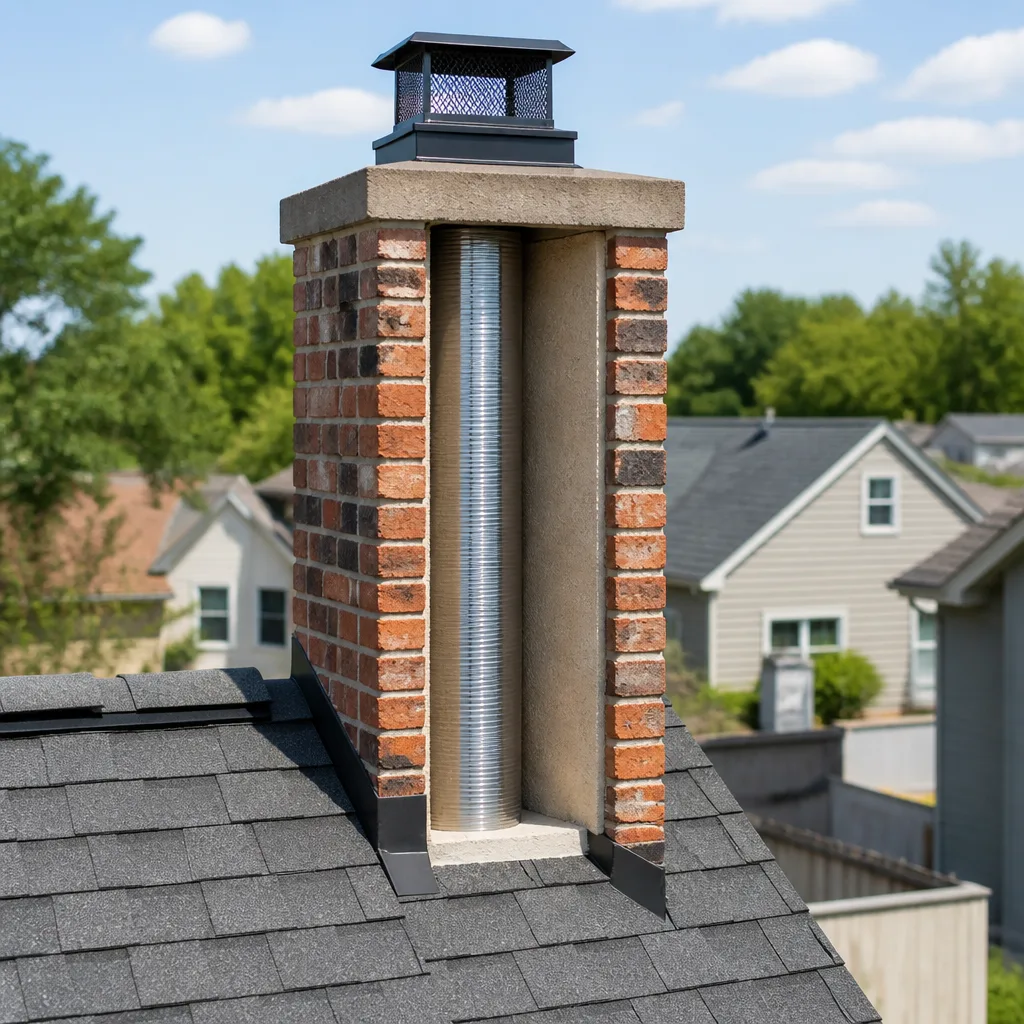
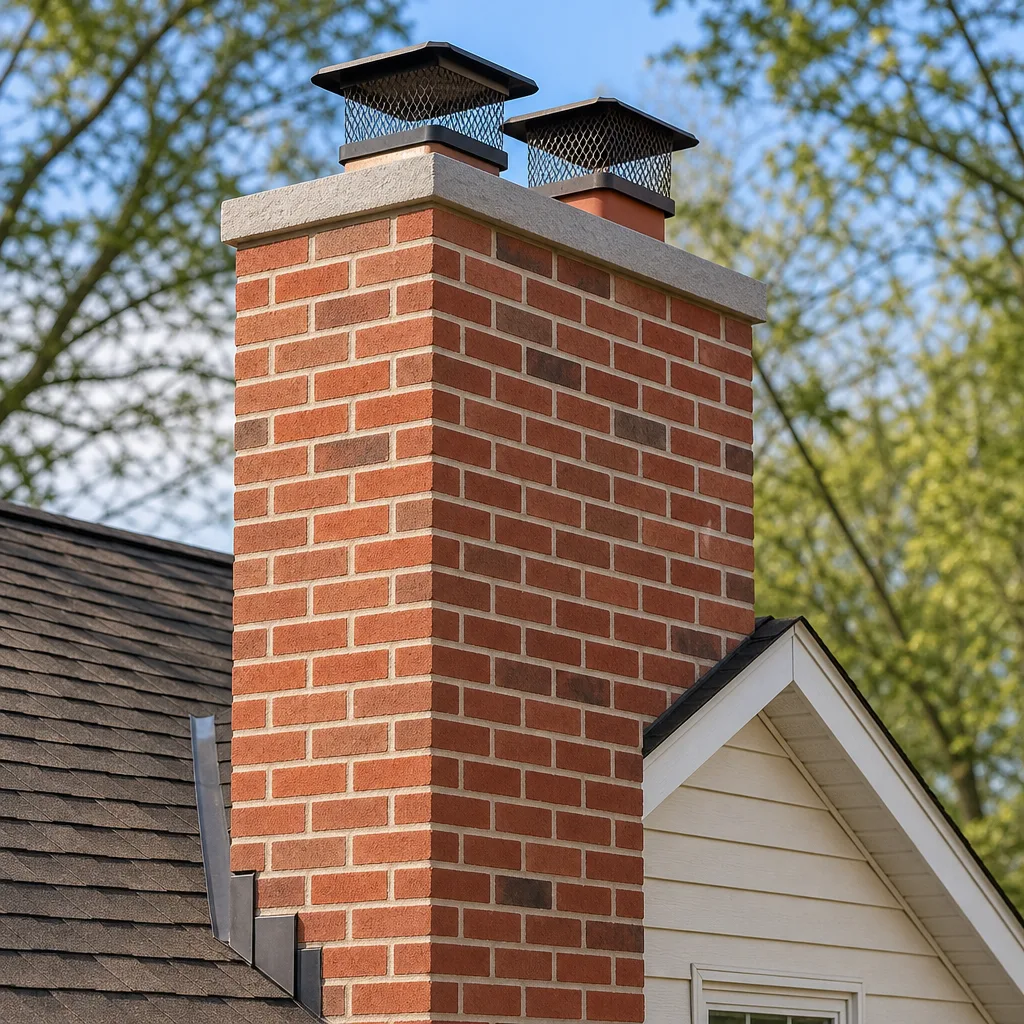
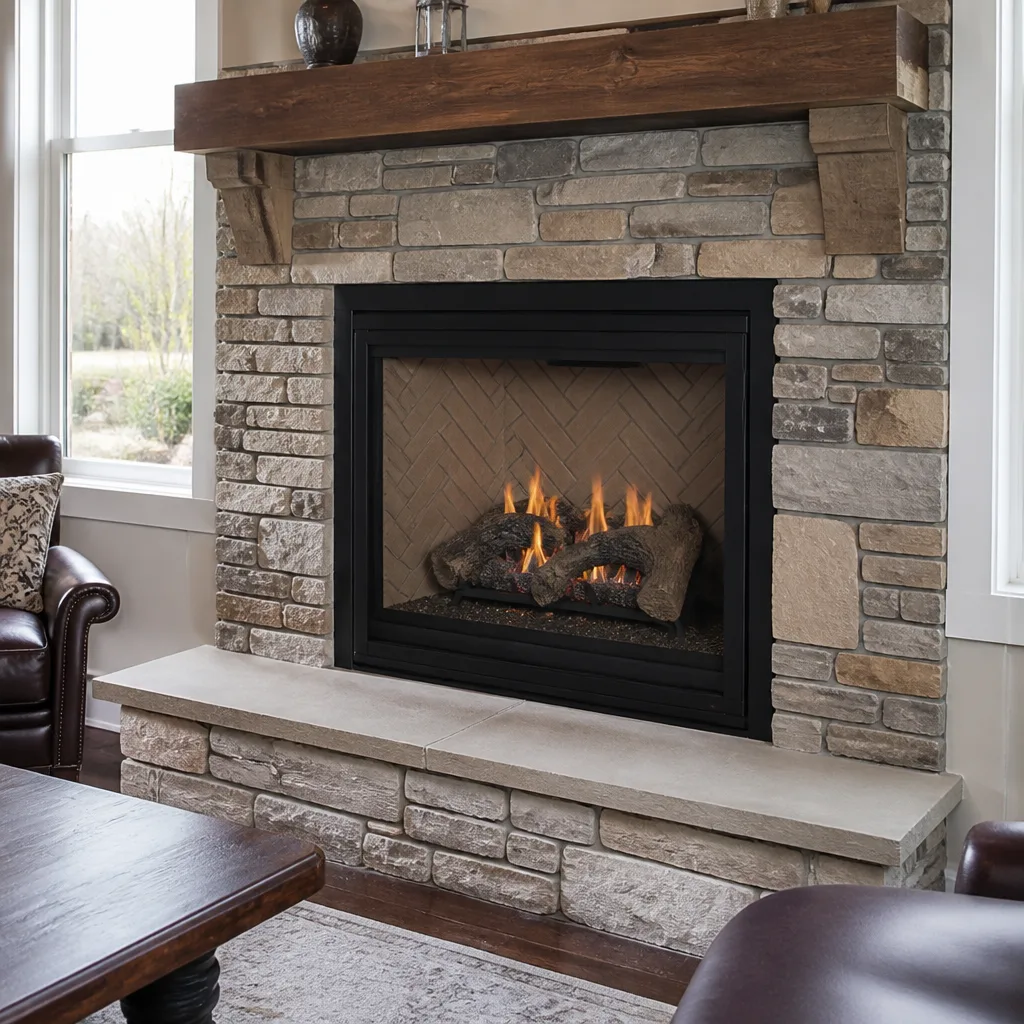
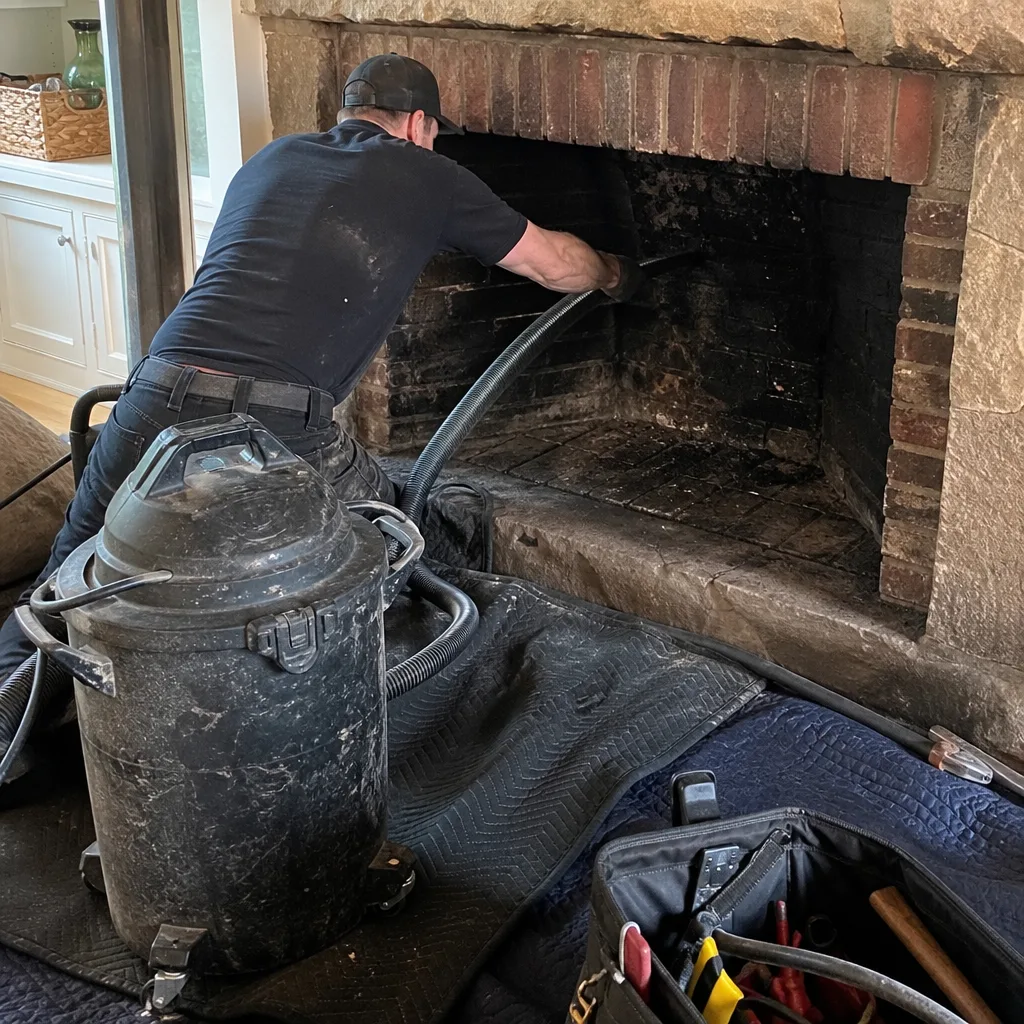 Before
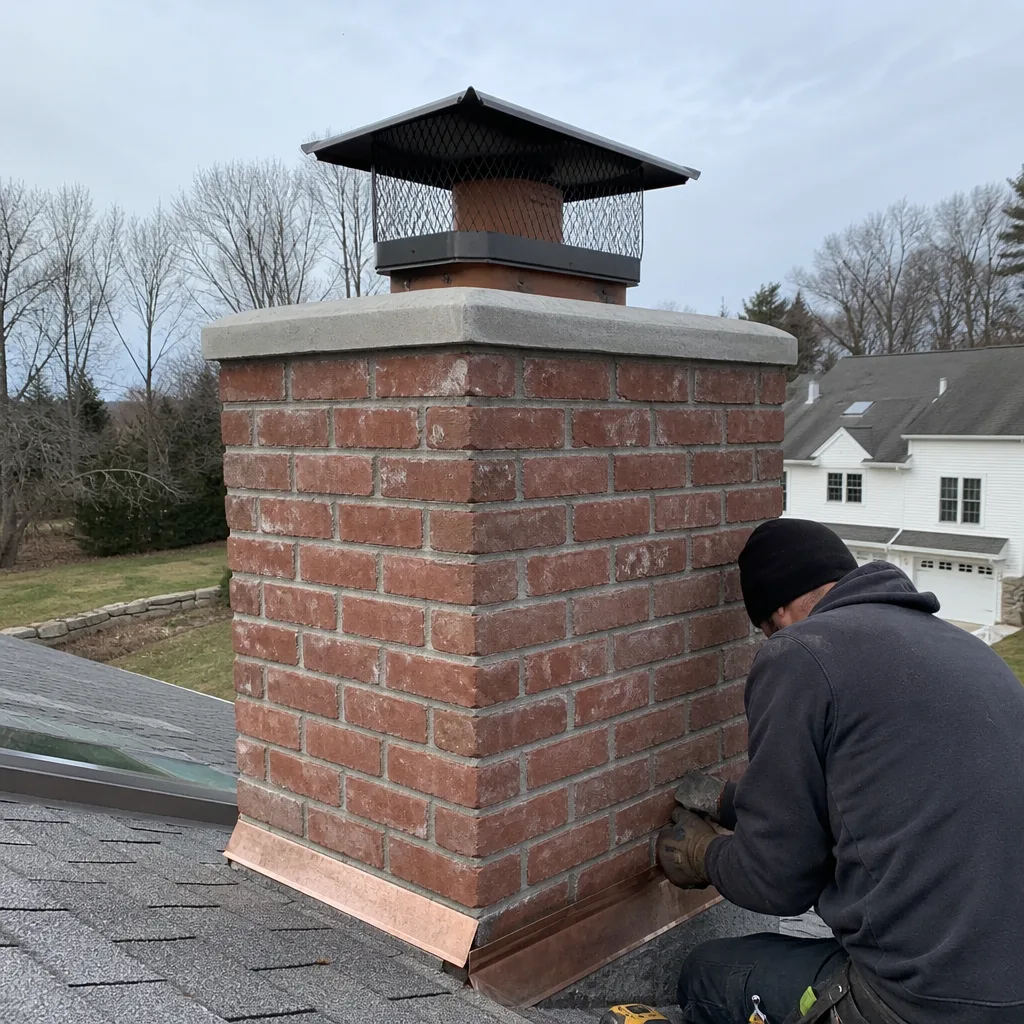 After
After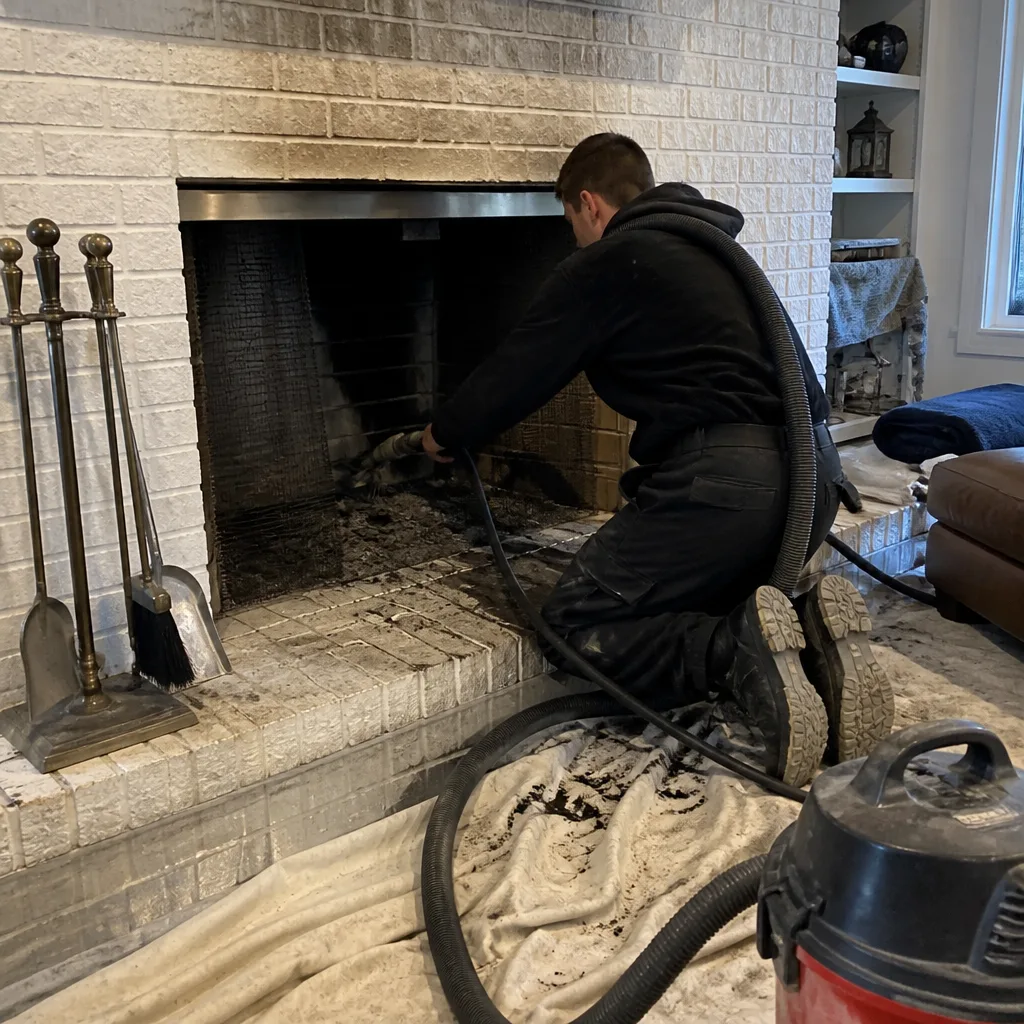 Before
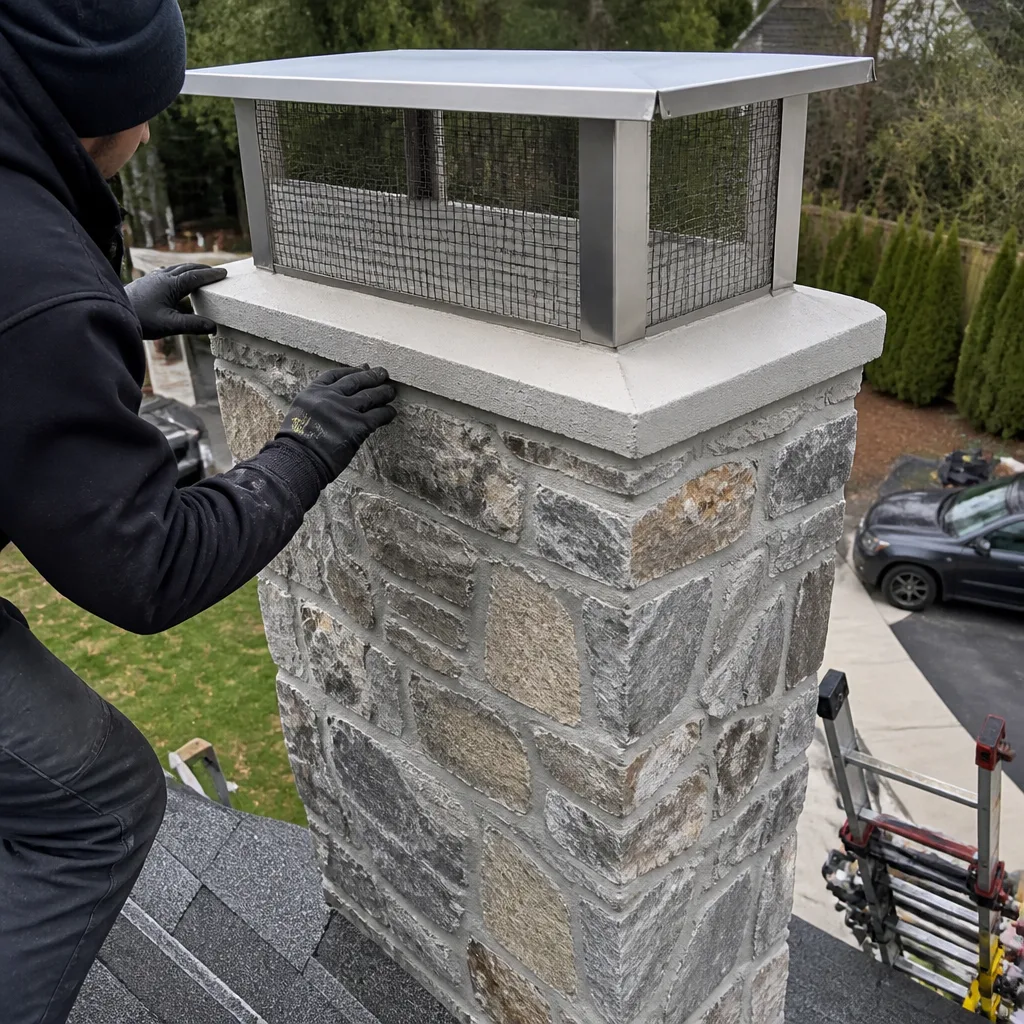 After
After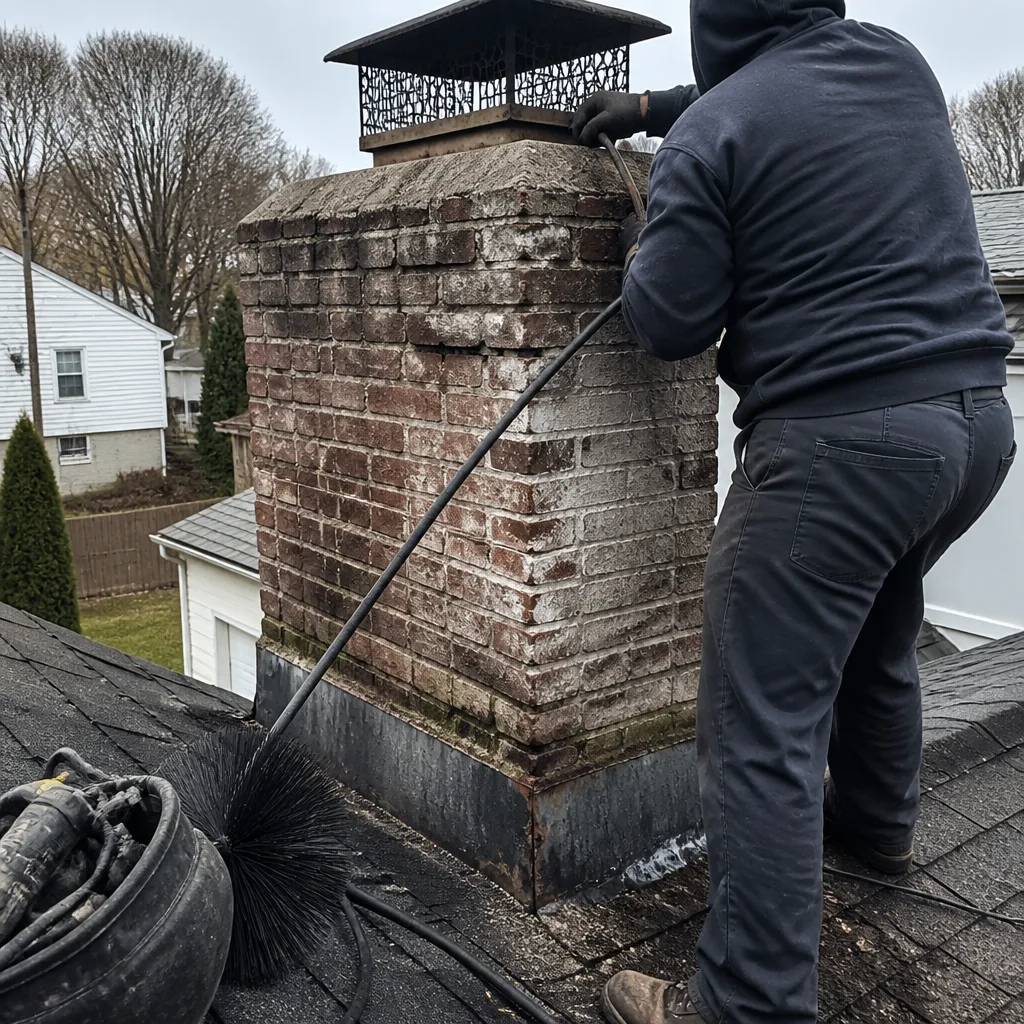 Before
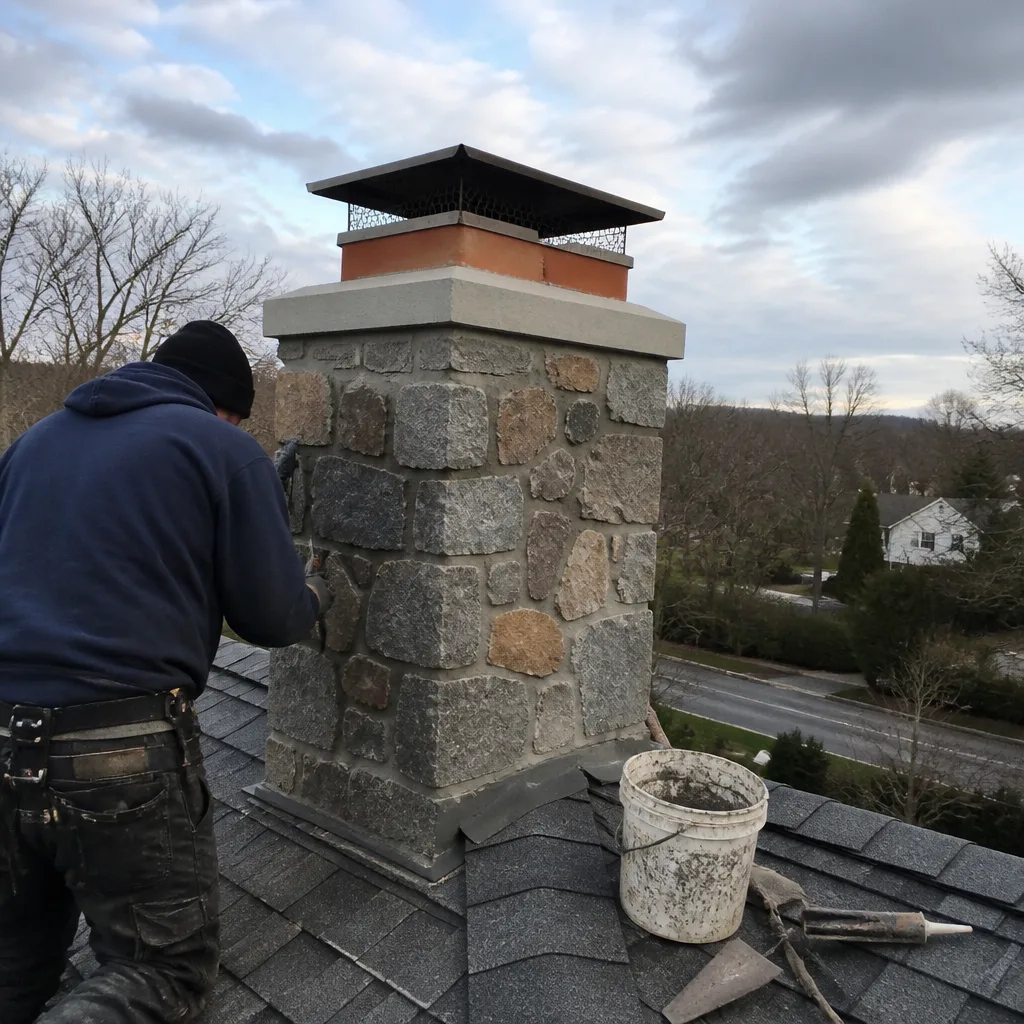 After
AfterDIY vs Professional Chimney Cleaning: The Stamford Homeowner’s Decision Guide
You can buy a chimney brush kit at the hardware store for $60 and clean your own flue. For a gas insert with a stainless liner that was serviced last year, that might be entirely reasonable. For a 1920s Stamford Colonial with a clay tile flue you’ve never had inspected, it’s a way to feel like you did something without actually knowing what you have. This guide walks through exactly when DIY makes sense in Stamford, what it actually involves, what it can’t tell you, and where the line is between a brush job and a problem best handled by someone who has been inside more chimneys than he can count. For more guides & resources, see our blog.
Quick Answer
DIY chimney cleaning is genuinely fine for a narrow set of situations: a gas appliance with a clean stainless liner serviced within the last year, or a wood-burning fireplace you use occasionally and have had professionally inspected before. It is not fine for an unknown chimney, a chimney with a wood stove, an older clay tile flue that has never been inspected, or any chimney showing glaze-stage creosote. Those need a camera and a trained eye before a brush ever touches the flue.
Table of Contents
- What DIY Chimney Cleaning Actually Involves
- Three Chimney Types Where DIY Is Genuinely Low-Risk
- Configurations You Can’t Safely Evaluate on Your Own
- What a Sweep Inspection Finds That a Brush Can’t
- Connecticut Insurance and Liability Considerations
- The Unknown History Problem: When Guessing Is More Expensive Than Hiring
- Cost Comparison: DIY vs Professional in Stamford
- Common Mistakes to Avoid
- When to Call a Professional
- Frequently Asked Questions
- The Bottom Line
What DIY Chimney Cleaning Actually Involves
Before you decide whether to do it yourself, you should know what the job actually is. Not the abbreviated version from a YouTube thumbnail. The full sequence, done properly, in a typical Stamford home.
A chimney cleaning is not just running a brush up and down. It is a sequence of containment, mechanical work, inspection, and disposal. Here is the honest version:
- Containment first. You seal the fireplace opening with plastic sheeting and painter’s tape. You lay drop cloths over the hearth and the floor extending several feet out. You cover furniture in the room with sheets. Soot is fine, sticky, and travels farther than you expect.
- Access the flue. You open the damper. Depending on the chimney, you may be working from the top down (roof access) or bottom up (firebox access). Top-down is the standard for masonry chimneys; bottom-up is common for prefab units when you want to avoid roof work.
- Run the brush. You attach the correct-diameter brush to flexible rods and scrub the full length of the flue, section by section. The brush should be sized to the flue, not “close enough.” A 6-inch brush in an 8-inch flue leaves creosote behind and gives you false confidence.
- Clean the smoke shelf and damper. The area above the firebox where the flue narrows collects creosote heavily. This is the part DIYers skip most often, because it is awkward to reach and easy to ignore.
- Remove the debris. Soot and creosote fall into the firebox. You vacuum it out with a HEPA-filter shop vac (a standard vac blows fine particles back into the room).
- Dispose properly. Creosote-soaked debris is flammable. It goes in a sealed metal container, not the kitchen trash can.
- Inspect what you just cleaned. This is where the job either earns its keep or becomes theater. You need a bright light and ideally a mirror or camera to look up the full length of the flue and check whether anything is left behind.
That last step is the one that separates a real cleaning from a motion. If you cannot see the full length of the flue after you brush it, you have not confirmed anything. You have just moved soot around.
In Stamford, we work on everything from 1950s ranches in Springdale to newer construction in North Stamford. The homes vary. The physics of the chimney does not. Your flue doesn’t care how the fire looks. It cares how it breathes.
Three Chimney Types Where DIY Is Genuinely Low-Risk
The honest answer to the DIY question is not “never.” It is “rarely, and only when you know what you are looking at.” Here are the configurations where a homeowner with the right tools, a safe ladder setup, and a clear understanding of the job can reasonably clean their own chimney.
1. Gas Inserts and Gas Log Sets with Stainless Liners
A gas appliance vented through a stainless steel liner is the most forgiving DIY scenario. Stainless liners resist creosote adhesion. Gas produces very little creosote anyway. The buildup is mostly light soot and occasional debris. If the liner was installed and serviced within the last year, and you have the correct brush for the liner diameter, this is a straightforward job. It is also a low-consequence one: a stainless liner is visually inspectable, and damage is rare.
2. Prefabricated Fireplaces Under 20 Years Old
Newer factory-built fireplaces in Stamford homes are designed with predictable dimensions and accessible cleanouts. The flue is metal, the clearances are engineered, and the unit either works or it does not. If you know the manufacturer’s specifications, have the right brush, and the unit has been previously inspected with no findings, DIY cleaning is reasonable. The key word is “previously inspected.” You are maintaining a known quantity, not discovering an unknown one.
3. Masonry Chimneys with a Known, Recently Verified Liner
If you had a stainless liner installed in the last five years, or a HeatShield resurfacing done, and you have had an annual inspection since, a DIY sweep between inspections is defensible. You are not assessing the chimney’s condition; you are removing light buildup from a system whose condition has already been professionally verified. The brush work is within reach. The judgment call has already been made, and made well.
What all three of these scenarios share is a known baseline. Someone with a trained eye and the right equipment has already looked at the system, confirmed it is sound, and told you what you have. The DIY part is just maintenance between professional checks, not a substitute for the first professional check.
Configurations You Can’t Safely Evaluate on Your Own
Now the other side. These are the situations where a brush in your hand is not the problem. The problem is that you cannot see what you are brushing, and the consequences of missing something are not a mess on the hearth. They are a chimney fire or carbon monoxide.
Older Masonry Chimneys with Clay Tile Flues
Clay tile flues are the original chimney liner. They are also the most failure-prone component in an older Stamford home. A 1920s Colonial in Glenbrook or a 1940s cape in Shippan often has a clay flue that has never been inspected. Clay tiles crack from thermal stress. They spall. They separate at the joints. Once a tile cracks, the gap exposes the masonry around it to heat and creosote. You cannot see this from inside the firebox with a flashlight. You need a camera designed to travel the full length of the flue and record what it sees. A brush will pass right over a cracked tile and leave you thinking the chimney is clean, when the actual problem was never about soot in the first place.
Wood Stoves and Inserts Connected to an Unknown Flue
A wood stove burns hotter and produces more creosote than an open fireplace, especially in the shoulder seasons when Stamford homeowners run the stove with less than a full load. The combination of higher flue temperatures, restricted air, and a smoldering fire is exactly what produces third-degree creosote: the hard, shiny, tar-like glaze that will not come off with a brush. If you do not know what the flue looks like, you cannot know whether you are dealing with first-degree (a brush job) or third-degree (a glaze that requires chemical treatment or removal). First-degree creosote is a brush job. Third-degree is a glaze. Catch it early, and you are fine. Miss it, and you are one hot fire away from a chimney fire. And you will not know the difference from the hearth. You will know it from the ladder, or you will know it from the camera.
Any Chimney Showing Signs of Water Intrusion
Efflorescence on the exterior brick, a rusted damper, water stains on the ceiling near the chimney, a deteriorating crown: these are water problems, not cleaning problems. Water is the enemy of masonry in Stamford’s freeze-thaw climate. When water gets into the flue and freezes, it expands. Over winters, that expansion cracks tiles and breaks mortar joints. A DIY cleaning does not address any of this. Worse, it can give you a false sense that the chimney is fine because the inside looks “clean.” The problem was never the soot.
None of these are scare tactics. They are the difference between what a brush can remove and what a camera can see. Wendell has been inside enough Stamford chimneys since 1999 to know that the most expensive repairs we make are the ones put off past the point where a small fix would have done it.
What a Sweep Inspection Finds That a Brush Can’t
A professional chimney sweep is two jobs in one: the cleaning and the inspection. Most homeowners think about the first and undervalue the second. Here is what the inspection side actually looks for, and why none of it can be done from the ground with a brush and a flashlight.
Liner Cracks and Separations
A professional sweep runs a camera up the flue after brushing. The camera sees what the brush cannot: hairline cracks in clay tiles, separated joints, gaps where the liner has shifted. These are the findings that determine whether your chimney is safe to burn or needs a repair before the next fire. A crack in the wrong place lets heat reach combustible material. That is how house fires begin, and it is invisible from the firebox.
Firebox Integrity
The firebox is the brick or refractory panel chamber where the fire actually burns. Over years of heating and cooling, firebrick cracks, mortar joints fail, and panels shift. A sweep checks the firebox from angles you will not naturally look: the back wall, the side walls where refractory panels meet, the floor where ash has been hiding damage. If firebox masonry fails, the fire is no longer contained where it is supposed to be. This is not something a brush addresses. It is something an inspection catches.
Draft Performance Under Load
A chimney can look clean and still draft poorly. The smoke test after a cleaning is not ceremony. It tells the sweep whether the flue is drawing properly, whether there is a partial blockage, whether the damper is operating fully, and whether anything in the cap or crown is disrupting airflow. Draft problems in Stamford homes show up as smoke backing into the room on cold starts, or a fire that burns sluggishly no matter how dry the wood is. You will not diagnose this from a clean-out door.
The camera footage and a plain-English verdict, every time, no exceptions. That is the standard we hold ourselves to at Top Hat Chimney. It is the reason our chimney cleaning and sweep service in Stamford is built around documentation, not just elbow grease.
Connecticut Insurance and Liability Considerations
This is the section most DIY guides skip, and it matters more in Connecticut than homeowners expect. If a chimney-related loss occurs and the homeowner cleaned the chimney themselves, the insurance company has questions. Here is what you should know before picking up a brush.
Connecticut homeowner’s insurance policies generally cover fire damage, including chimney fires, but the adjuster’s job is to determine whether the loss resulted from a maintenance failure. If you cleaned your own chimney and a fire occurs, the adjuster will likely ask for documentation: When was the chimney last cleaned? By whom? Was there an inspection? Do you have evidence the flue was in serviceable condition?
If the answer is “I brushed it myself and it looked fine,” you are in a weaker position than a homeowner who can produce an invoice and an inspection report from a licensed, insured sweep showing the chimney was professionally maintained. This is not about calling a professional because the rules demand it. It is about having evidence when an adjuster asks for it.
The Connecticut Department of Energy and Environmental Protection does not license chimney sweeps as a separate trade, but legitimate sweeps in the state carry their own liability insurance and are certified through the Chimney Safety Institute of America (CSIA). When a professional cleans and inspects a chimney, the documentation trail exists. When a homeowner does it, the documentation trail is a receipt from the hardware store and a memory.
There is also the question of what happens if a DIY cleaning goes wrong: a fall from a Stamford roof in winter is a serious injury, and a homeowner’s policy may cover it, but the picture is different if the injury resulted from work a professional would have been insured to do. We are not insurance agents, and we do not pretend to be. But in our experience, the homeowners who ask about insurance before a chimney problem are better positioned than the ones who ask after it.
The Unknown History Problem: When Guessing Is More Expensive Than Hiring
Here is the rule Wendell tells people who ask whether they should clean their own chimney: the question is not “can you?” The question is “what don’t you know?”
If you bought a Stamford home in the last few years, the chimney came with the house. That means the chimney’s service history is whatever the seller told you, which is usually nothing. You do not know when it was last cleaned, what was found, whether repairs were done, or whether the flue has ever been inspected at all. That is the unknown-history chimney, and it is the single most common situation we walk into.
The downside of guessing wrong on an unknown chimney is not a dirty fireplace. It is a chimney fire, a carbon monoxide leak, or a repair bill that could have been a fraction of the cost if it had been caught early. Ask anyone on your street who has replaced a chimney crown or torn out a failed liner. The money hurts in a way a $200 inspection would not have.
This is the honest math: a professional cleaning and inspection in Stamford runs roughly $200 to $400 depending on the chimney type and condition. A DIY kit runs $60 to $100. The savings is real. The question is whether the savings is worth losing the inspection, the documentation, and the trained eye that tells you whether the chimney is safe or just clean. For a known chimney with a recent professional inspection, it might be. For an unknown chimney, the answer is usually no. See our Chimney Cleaning Cost Breakdown: The Stamford Homeowner’s Reference for 2026 for detailed pricing.
Cost Comparison: DIY vs Professional in Stamford
Here is what the actual numbers look like in the Stamford market, based on what we see and what hardware stores charge down in Danbury and up in Norwalk.
- DIY brush kit (basic): $50 to $80 for a brush, fiberglass rods, and simple drop cloth. These work for first-degree creosote on a standard flue.
- DIY kit with better rod and multiple brush sizes: $100 to $180. Higher quality rods flex better and are less likely to snap inside the flue.
- HEPA shop vac (needed for proper cleanup): $150 to $300 if you do not already own one. A standard vac is not sufficient for fine soot.
- Ladder for roof access (if top-down cleaning): $80 to $200 for an extension ladder that reaches a two-story Stamford Colonial. Most homeowners already own one.
- Professional cleaning and inspection (Stamford market): $200 to $400 for a standard masonry chimney with no major findings. Higher for inserts, stoves, or heavy creosote.
- Professional camera inspection (standalone or included): typically included in a full cleaning; standalone runs $100 to $200.
The takeaway is not that DIY is always a false savings. It is that the real cost of DIY includes tools you may not own, time on a ladder in New England weather, disposal, and the absence of an inspection. Once a year, burn or no burn. Chimneys break in the off-season too. A professional cleaning is the inspection that maintenance is built around.
If you are weighing the number, call us at (475) 242-5865 and ask what a cleaning would run for your specific chimney type. The number you hear on the phone is the number on the invoice. That has been the rule since Wendell started Top Hat Chimney in 1999.
Common Mistakes to Avoid
- Brushing a chimney you have never inspected. If you do not know what the flue looks like before you touch it, you are maintaining an unknown. Get a camera inspection first, then decide if DIY maintenance makes sense.
- Using the wrong brush size. An undersized brush skips creosote and leaves a false impression of clean. Match the brush diameter to the flue, not to what is on sale.
- Skipping the smoke shelf. The area above the firebox collects more creosote than any other part of the chimney. Skipping it is the most common DIY shortcut, and it is the one that most often leads to a chimney fire.
- Cleaning from the roof without a proper ladder setup. A fall from a Stamford roof is life-changing. If you are not comfortable on a ladder in fall temperatures with a brush in one hand, this is not the job to save $200 on.
- Using a standard vacuum for soot. A household shop vac without a HEPA filter blows fine particulates back into your living room. Soot is smaller than you think and gets into everything.
- Assuming a clean chimney means a safe chimney. A brush removes deposits. It does not assess flue condition, firebox integrity, crown deterioration, or draft. Clean and safe are different things.
- Waiting until November. Stamford sweeps book out weeks ahead in fall. The off-season is when you get the slot you want, not the slot that is left.
When to Call a Professional
Call a sweep when the chimney has no verifiable service history, when it is a wood-burning appliance connected to an unknown flue, when you see glaze-stage creosote, when there is water staining or exterior masonry damage, or when the chimney has not been touched in more than two years. Also call if you are simply done with the ladder and the containment and the HEPA filter and the wondering whether you actually got it all. Some jobs are worth the money because the alternative is uncertainty. Top Hat Chimney offers free estimates in Stamford. Call (475) 242-5865 and Wendell or one of his crew will give you an honest read on what you need and what you don’t. Not sure where to start? Read How to Hire a Chimney Cleaning Contractor in Stamford: A Step-by-Step Guide.
For broader chimney issues beyond cleaning, we also walk homeowners through chimney repair in Stamford and fireplace services in Stamford, from cap replacement to full liner work with DuraFlex, HeatShield, and Olympia Chimney products.
Frequently Asked Questions
A professional chimney cleaning and inspection in Stamford typically runs $200 to $400 depending on the chimney type, height, accessibility, and level of creosote buildup. Inserts and wood stoves trend toward the higher end. The best way to get an exact number is to call (475) 242-5865 with a description of your chimney. We quote upfront before any work begins.
Once a year, burn or no burn. The National Fire Protection Association recommends an annual inspection and cleaning as needed, and Connecticut’s climate does not change that math. Even a chimney that sits unused for a season can collect debris, nesting material, or moisture damage that needs attention before the next fire. Annual service is the cheapest insurance you will ever buy for your chimney. For year-round maintenance tips, see our Seasonal Chimney Cleaning Care for Stamford: Year-Round Homeowner’s Guide.
For a gas insert with a stainless liner serviced within the last year, yes, it is reasonably safe when done with the right tools and proper roof safety. For an older masonry chimney with clay tiles, a wood stove on an unknown flue, or any chimney with signs of water intrusion, DIY cleaning is not safe because it cannot tell you whether the chimney itself is sound. The brush work is rarely the risk. The unknown is.
Third-degree creosote is the hard, shiny, tar-like glaze that forms when wood burns at low temperatures with restricted airflow. It is extremely flammable and cannot be removed with a brush; it requires chemical treatment or professional removal. First-degree creosote is a brush job. Third-degree is a glaze. If you see shiny black buildup in your flue, do not brush it yourself. Call a sweep.
Most Connecticut homeowner’s policies cover chimney fires, but the adjuster will investigate whether the fire resulted from a maintenance failure. A homeowner with professional cleaning records and an inspection report is in a stronger position than one with a hardware store receipt and no documentation. This is one of the practical reasons annual professional service matters beyond the safety case.
A cleaning without a camera inspection tells you the chimney is cleaner, not that it is safe. The camera is what reveals cracked liners, separated tile joints, hidden creosote glaze, and firebox damage that a brush passes right over. In our Stamford practice, every cleaning includes a camera check before and after. The footage is what you actually need to make a decision about your chimney. Call (475) 242-5865 to book a cleaning with full camera documentation.
The Bottom Line
DIY chimney cleaning is a real option, but only for a narrow slice of chimneys: gas appliances with known stainless liners, newer prefab fireplaces with verified service history, and masonry chimneys that have been professionally inspected within the last year. For everything else, especially older Stamford homes with clay tile flues and no verifiable history, the brush is not the problem. The unknown is. A professional sweep brings a camera, an inspection, insurance documentation, and a trained eye to a job that has real consequences when guessed wrong. The $200 saved on a DIY cleaning is not a bargain if it costs you a chimney fire or a liner repair that could have been caught early. Once a year, burn or no burn. If you are in Stamford and want an honest read on your chimney, call us at (475) 242-5865. The number you hear is the number on the invoice.
Written by Wendell Pike, Owner at Top Hat Chimney, serving Stamford since 1999.