
Last updated September 10, 2026
Level 1 sweep and inspection to the NFPA 211 annual standard - flue, crown, cap, and flashing checked and photographed
Chimney sweep logs do not sweep chimneys. They loosen some creosote - which then falls where a brush and vacuum still have to collect it.
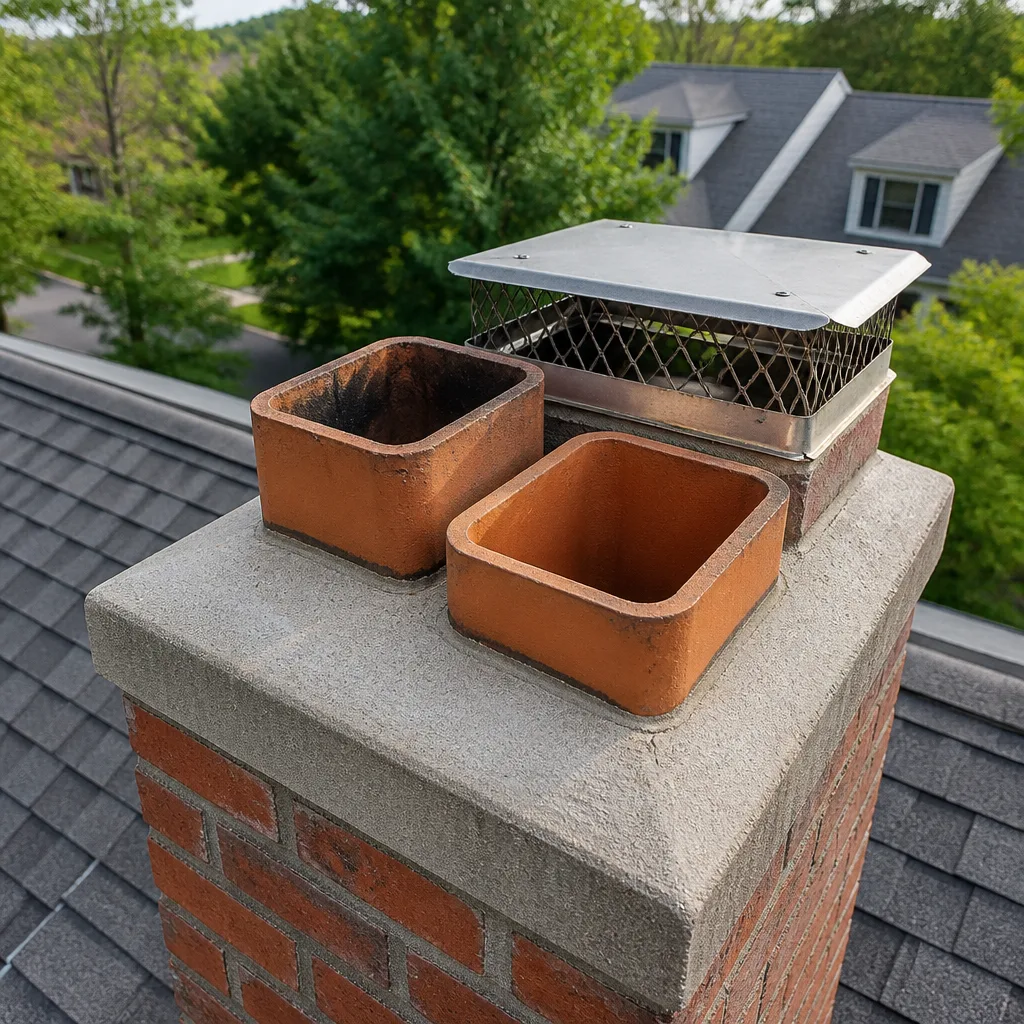
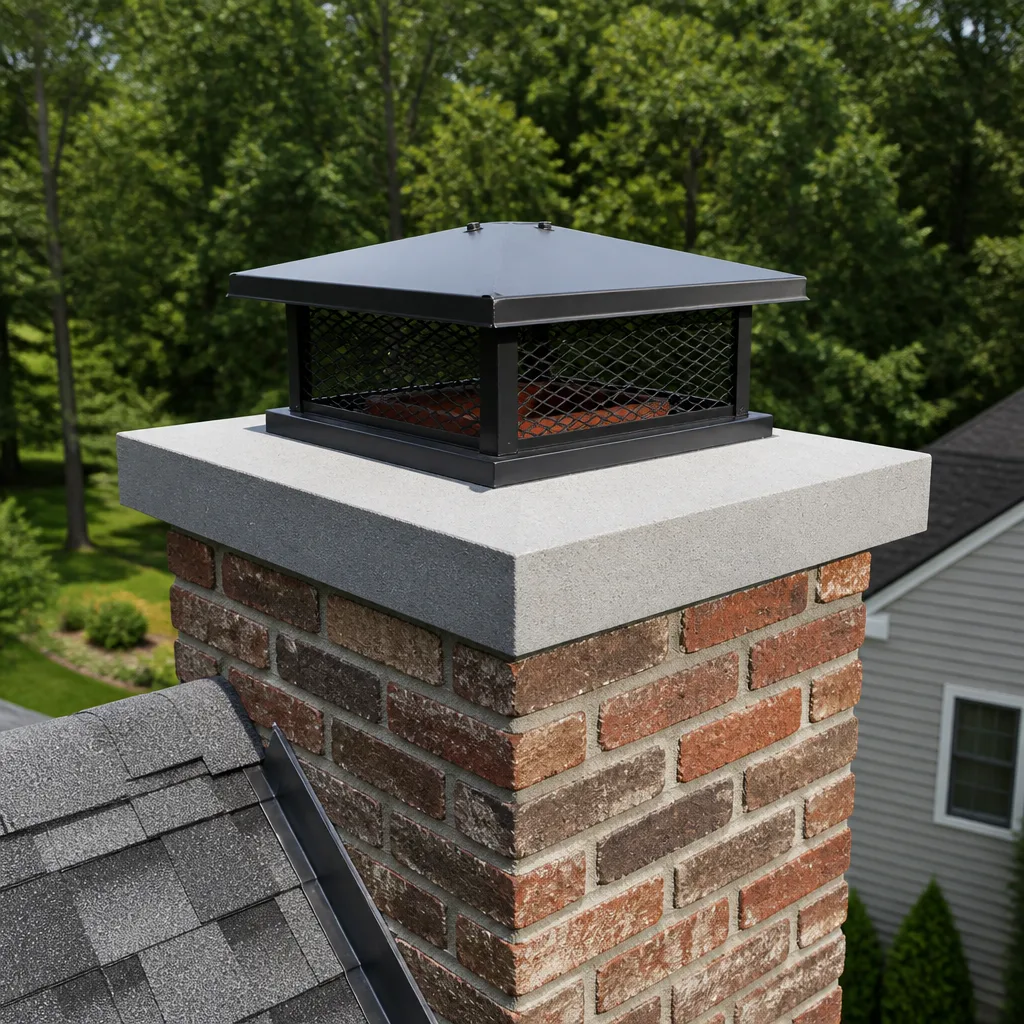
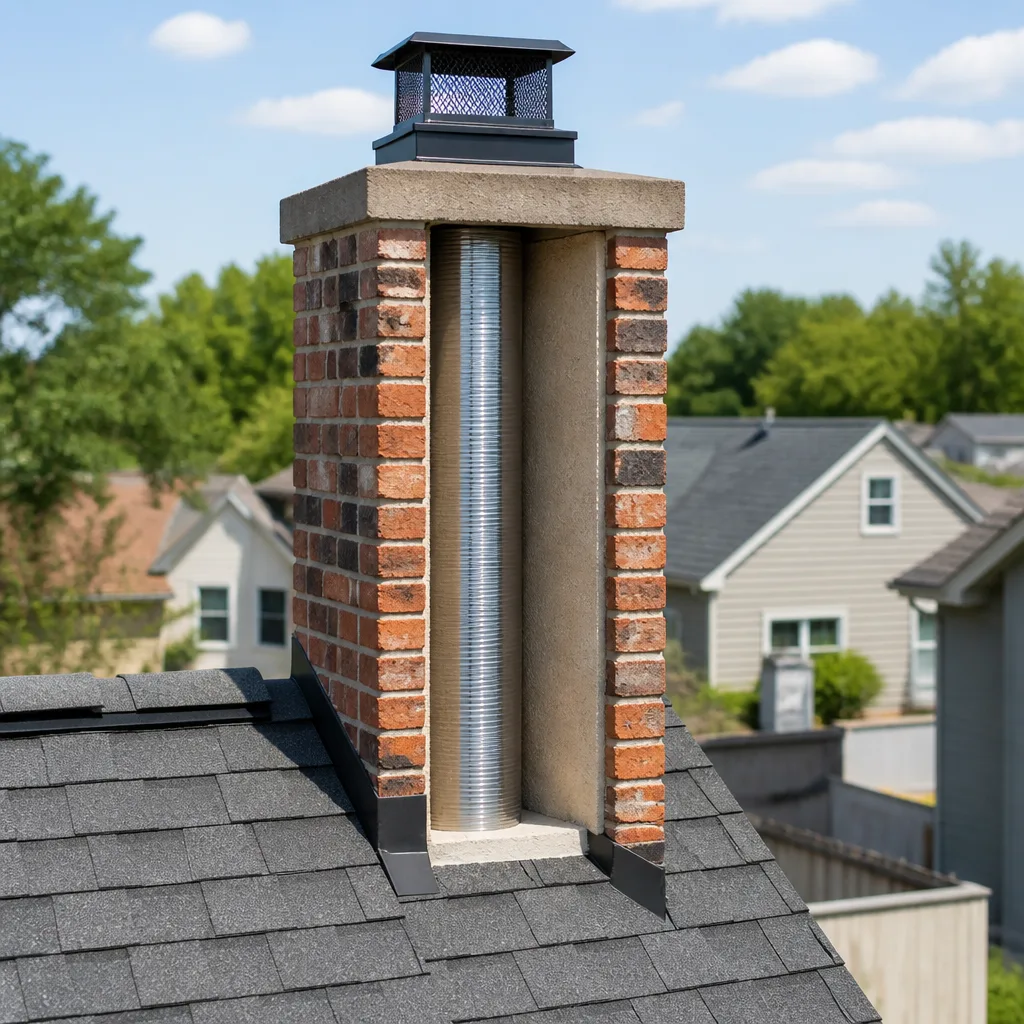
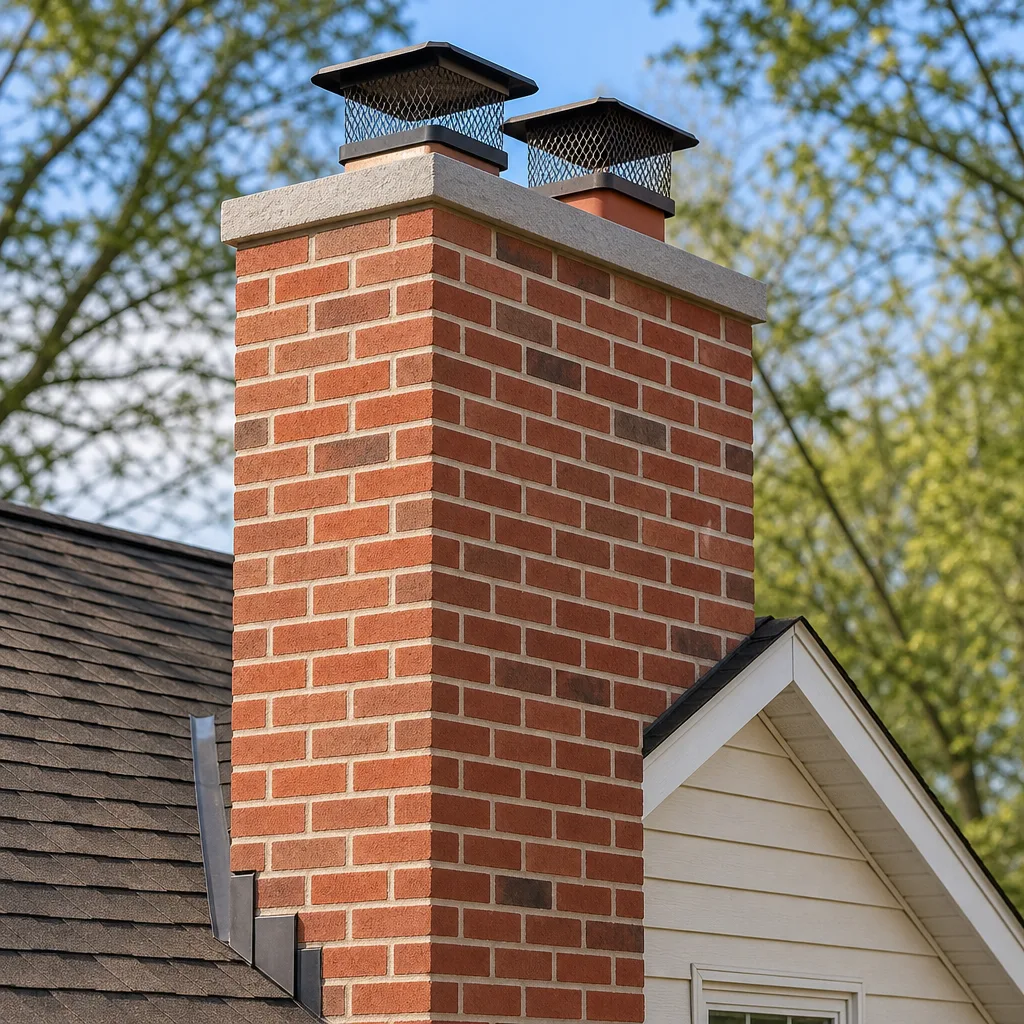
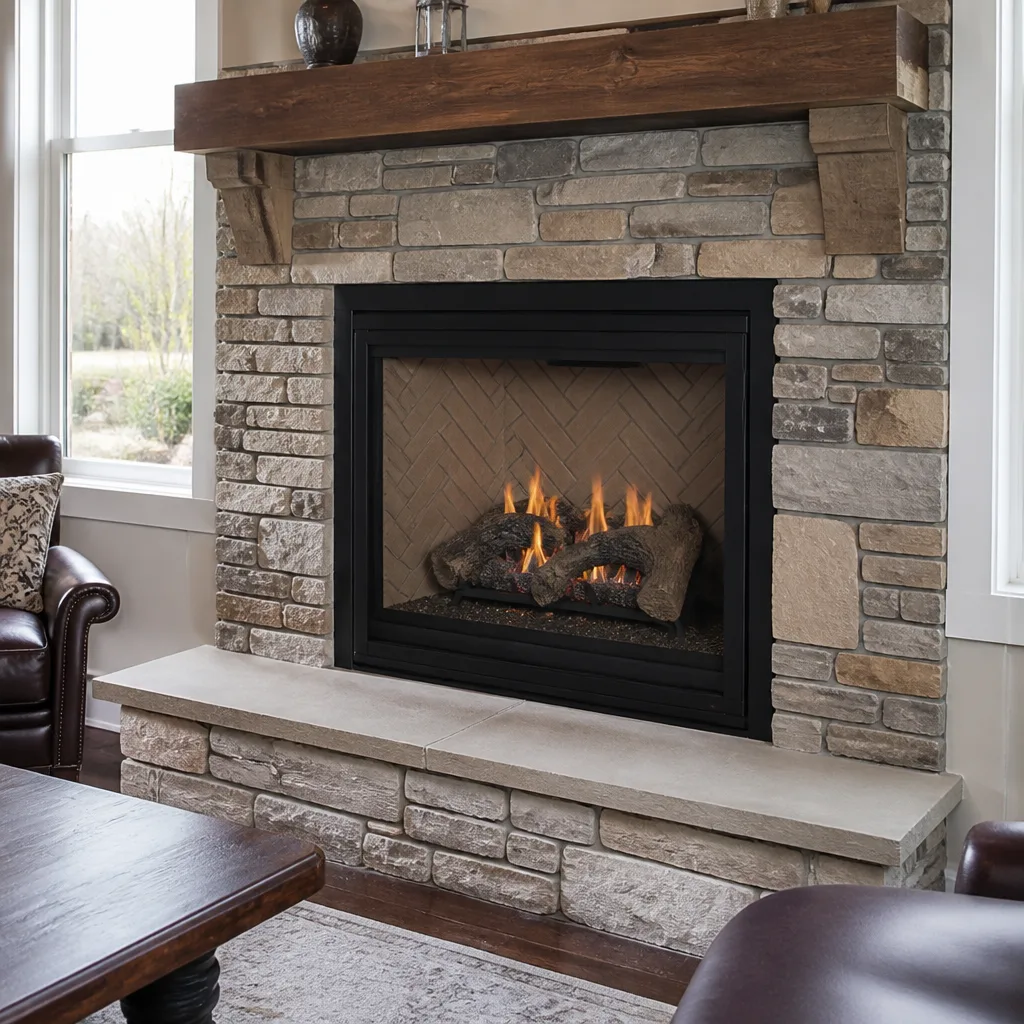
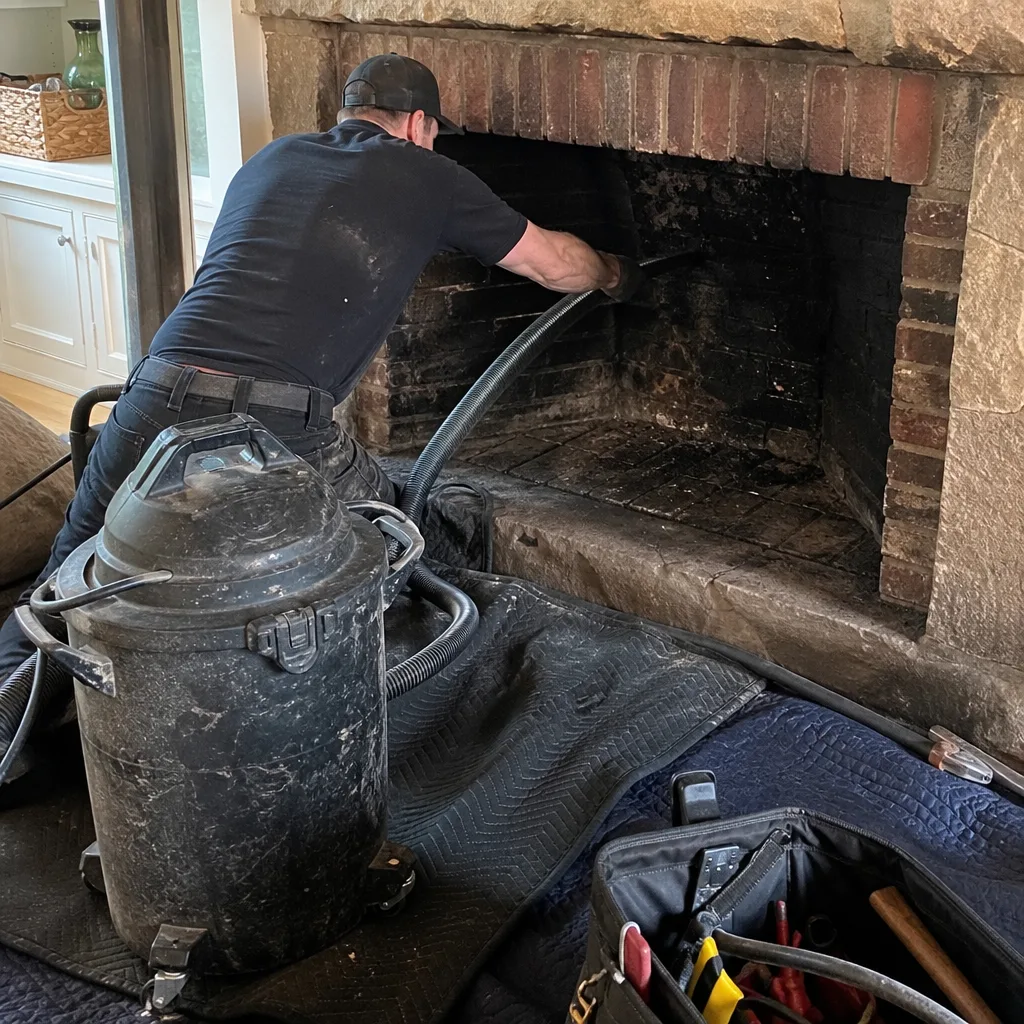 Before
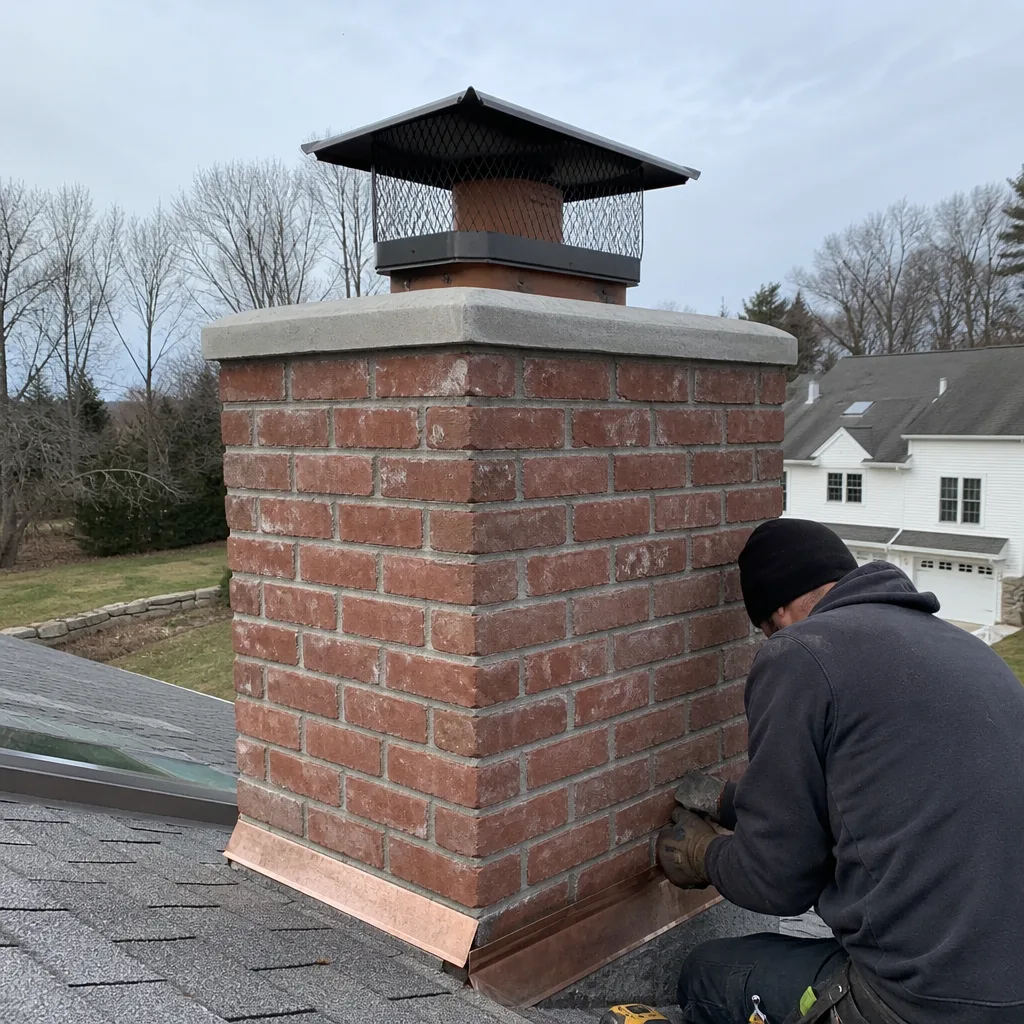 After
After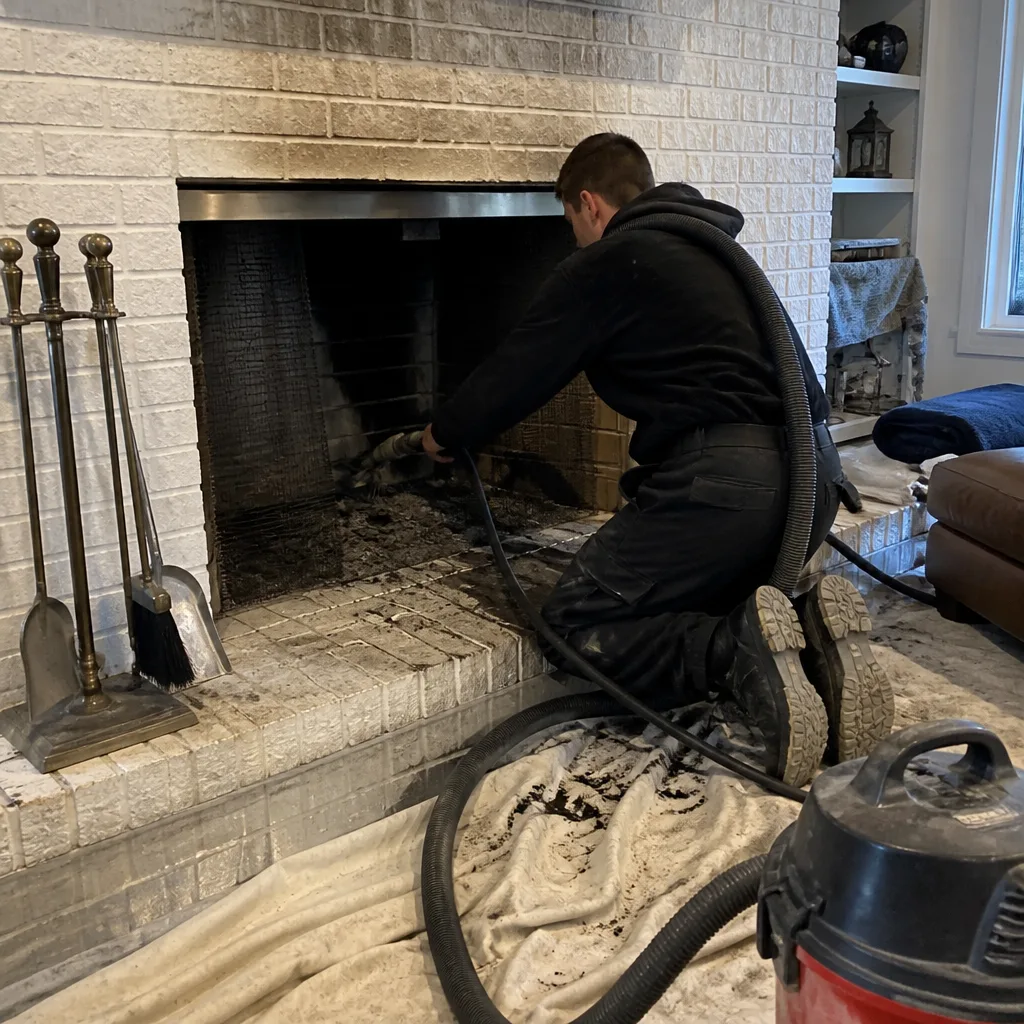 Before
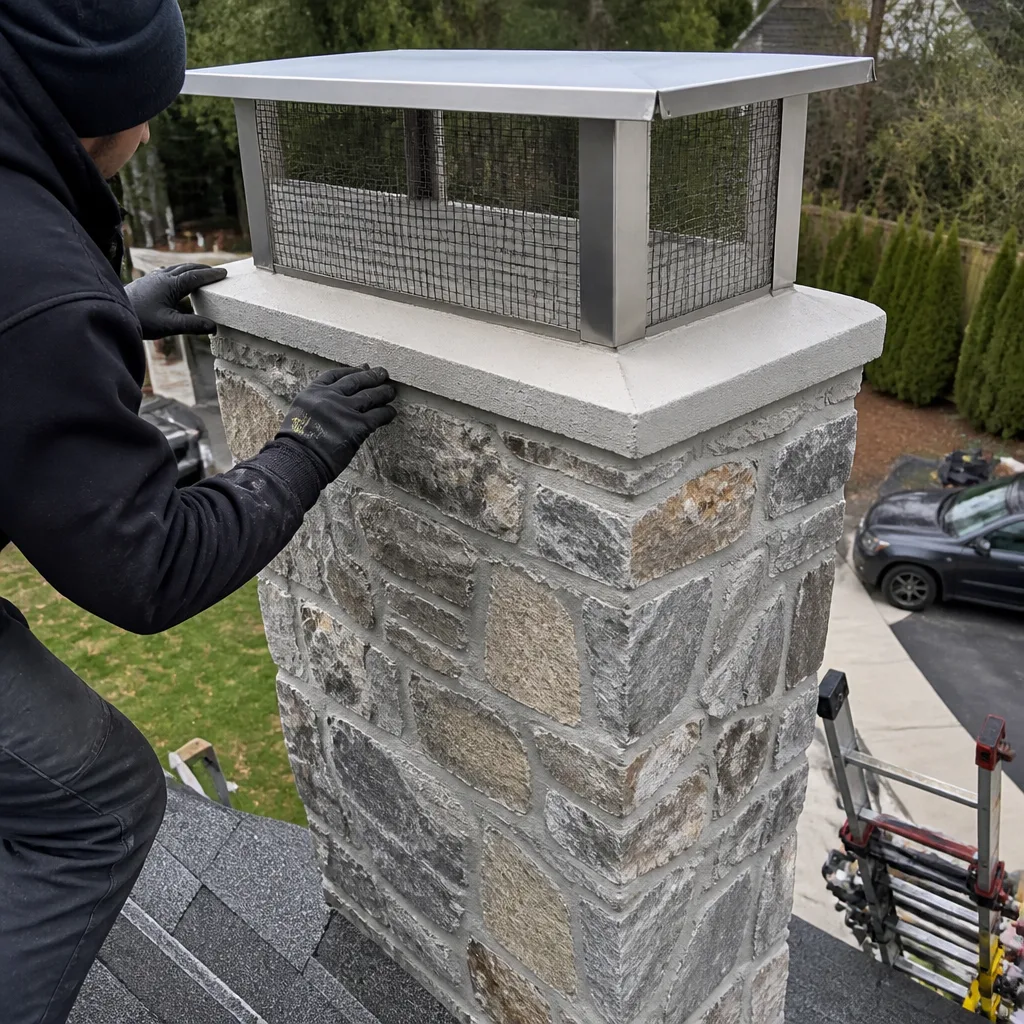 After
After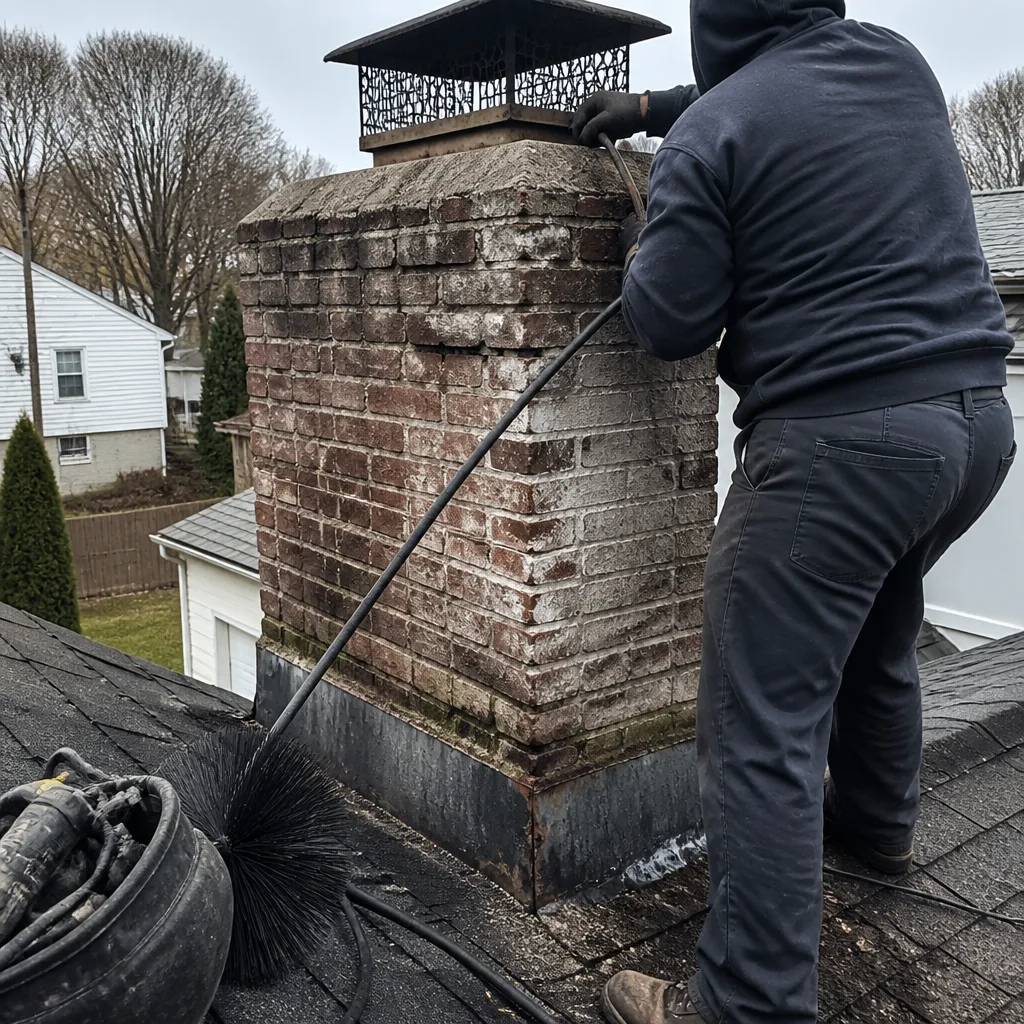 Before
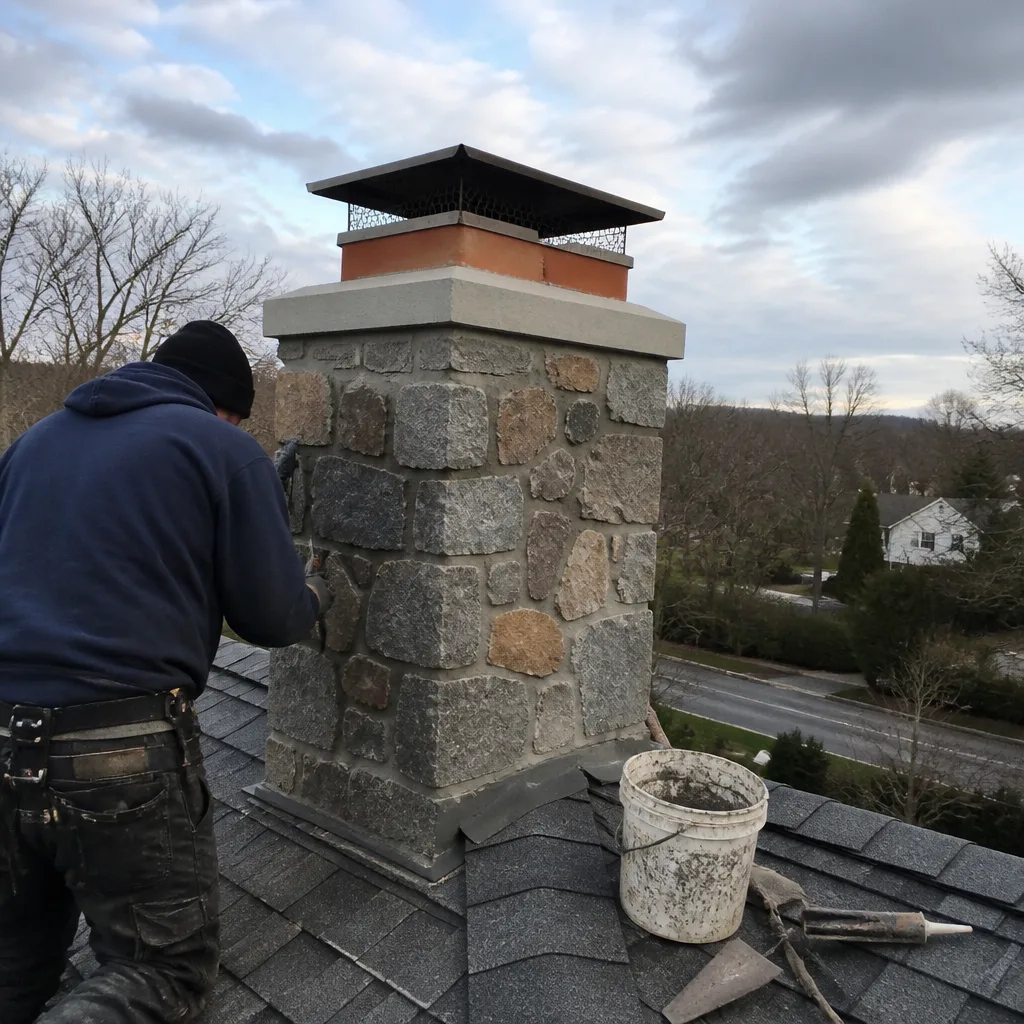 After
AfterChimney Cleaning Warning Signs: A Stamford Homeowner’s Reference Guide
Here’s the thing about chimney problems in Stamford: they rarely announce themselves with smoke pouring into the living room. They announce themselves with a white stain on the brick, a damper that clicks instead of glides, a smell that hangs around three days after the last fire. Most warning-sign guides focus on the dramatic stuff. This one won’t. The signs that matter are the quiet ones you see from your couch, your driveway, and your heating bill, and catching them early is the difference between a $250 sweep and a $3,000 rebuild. By the end of this guide, you’ll know which signs mean “keep an eye on it” and which mean “stop using the fireplace today.”
Quick Answer
A chimney needs attention in Stamford when you notice a lingering smoke smell in a cold fireplace, white staining on exterior brick, a damper that sticks or rattles, visible flaking masonry, or a sudden spike in heating bills you can’t trace to the furnace. The single most reliable warning sign is creosote buildup you can see or smell: a quarter-inch of it anywhere in the flue means it’s time for a chimney cleaning and sweep in Stamford before your next fire. Most of these signs show up months before anything dangerous happens, and a good sweep will tell you plainly which ones can wait.
Table of Contents
- The Seven Signs Worth Your Attention
- The Smoke Smell Test: Fading vs. Lingering
- What a Deteriorating Damper Sounds and Feels Like
- Efflorescence and Other Exterior Masonry Signs in Stamford
- When Heating Bills Rise and the Flue Is the Culprit
- Monitor vs. Stop Using Today: An Honest Framework
- The Once-a-Year Rule: Burn or No Burn
- Common Mistakes to Avoid
- When to Call a Professional
- Frequently Asked Questions
The Seven Signs Worth Your Attention
Before we get into the deeper sections, let’s lay out the full list. These are the seven things we tell Stamford homeowners to watch for, in rough order of how commonly they get ignored.
- A white, chalky stain on the exterior brick above the roofline. It looks like dried salt or a water mark. It means water is moving through the masonry, and it’s called efflorescence. More on this below, it gets its own section because it’s the most overlooked sign in Stamford’s older housing stock.
- A smoke smell that lingers more than a day after the fire is out. Not the pleasant campfire note during a burn. The stale, sharp smell that’s still there Tuesday morning when the fireplace went cold Sunday night. That’s a draft or creosote problem, not nostalgia.
- A damper that’s stiff, catches, or makes a scraping sound. You shouldn’t have to fight the thing. If it doesn’t move smoothly through its full range, something is warping, rusting, or caked with creosote.
- Visible flaking, spalling, or missing mortar joints on the crown or brick. In Stamford, this is almost always freeze-thaw damage. Water gets in, freezes, expands, and pops the face off the brick. It doesn’t heal itself.
- Soot or creosote you can see from the hearth. Look up into the flue with a flashlight when the fireplace is cold. If you see shiny black glaze, flaky black buildup, or anything that looks like tar, that’s creosote, and it’s fuel waiting for a spark.
- Water in the firebox after a heavy rain. Not a lot, maybe just a damp patch or a few drops on the andirons. It means the cap, the crown, or the flashing has a leak, and water plus masonry is a slow-motion wreck.
- A heating bill that creeped up 15 to 20 percent without a colder winter or a rate hike to explain it. Before you call the HVAC company, check whether your damper closes all the way. A flue that won’t seal is a 24/7 draft pulling conditioned air up and out of the house, through a leak in the attic, pulling freezing January air into your living space. We’ll walk through that below.
None of these require a ladder or a camera to notice. That’s the point. You can spot every one of them from the ground or the couch, and when you do, a well-placed phone call is worth more than a year of ignoring it.
The Smoke Smell Test: Fading vs. Lingering
Some smoke smell after a fire is normal and harmless, and being able to tell the difference is worth far more than a $350 emergency call. Here’s the simple rule:
- A fading smell that’s pleasant, like wood smoke, and gone within 12 to 24 hours. That’s just the fireplace doing what fireplaces do. No action needed.
- A lingering smell that’s stale, sharp, or vaguely acrid, and still there 48 hours later when the fireplace hasn’t been lit since. That’s what we’re concerned about.
That lingering smell in a cold fireplace usually comes from one of three places. First, creosote buildup inside the flue is off-gassing, especially when the weather turns damp, and Stamford gets its share of damp. Second, the damper isn’t sealing, so the flue is acting like a chimney in reverse and drawing musty air down into the room. Third, water is sitting in the firebox or the smoke chamber and mixing with old soot. None of these fix themselves.
If you live in Glenbrook or Shippan and you’re noticing that stale smell on humid summer days when the fireplace hasn’t been used in months, that’s almost always a stalled draft. The warm outdoor air sits on top of the flue and presses down, the cold air inside doesn’t rise, and the thing becomes a vent pulling musty flue air into your home. It’s an environmental issue in Stamford’s older colonials and capes, and covering the fireplace opening with a glass door or a properly sealed damper is the honest fix. The smell itself isn’t dangerous, but it’s telling you the flue isn’t sealed and the creosote load is still in there.
The difference between these two smells matters. A good chimney repair in Stamford company will tell you whether you’re looking at a simple sweep or a structural issue, and they should be able to tell you over the phone with a few questions before anyone books a visit.
What a Deteriorating Damper Sounds and Feels Like
We’ve seen more dampers than we can count that were abandoned in place because they got stiff, and once a damper gets stiff, people stop using it. That’s when the problems compound: it stays open all summer, lets rain and critters in, and one day it’s rusted solid. A stiff damper is a repair bill in waiting.
Here’s what to listen and feel for the next time you open or close the damper:
- A smooth glide, like the handle on a well-built door: that’s what you want. Some resistance is okay; it’s a metal flap on a hinge.
- A scraping, grinding sensation with audible metal-on-metal: that’s creosote caked on the hinge, or a slight warp, or rust beginning. In a Stamford home with an exterior masonry chimney, rust comes from water getting in, not just from use.
- A catch or a stick that means you have to jiggle the handle or give it extra force: that’s a damper that’s not seating properly, and a damper that doesn’t seat is a damper that doesn’t seal.
- A rattle when the wind blows or when the furnace kicks on: that’s a loose or warped damper plate being moved by air pressure. It’s a small physical sound, but it’s a clear sign the seal is broken and air is moving through your flue.
Here’s the thing most guides miss: a rattling or stiff damper is a draft problem before it’s ever a safety problem. You’ll notice the draft first as a cold patch in the living room, maybe a higher heating bill, maybe a door that slams itself on a windy day. The safety concern comes later, when the warped plate won’t close at all, and a chimney fire has an oxygen-rich flue to breathe through. That’s why we say a damper issue is worth a phone call on day one.
Efflorescence and Other Exterior Masonry Signs in Stamford
That white stain above the roofline is called efflorescence, and it’s not a stain. It’s the mineral salt from inside your mortar being carried to the surface by water and left behind when the water evaporates. The water got in somewhere: a cracked crown, a failed cap, a deteriorating mortar joint, or damaged flashing.
In Stamford, where the housing stock runs heavily to pre-1960 colonials, capes, and raised ranches, we deal with this every single week. The masonry on those homes was built well, but time and weather happen. Stamford winters bring the freeze-thaw cycle that turns a hairline crack into a spalled brick face within a season or two. Efflorescence is the early warning of that kind of water intrusion.
What to look for from the ground:
- White, chalky residue on any face of the chimney. Brush it off with a gloved hand and see if it returns after the next rain. If it does, water is actively moving through the masonry right now.
- Spalling brick faces. When the face of a brick has popped off and left a rough, darker inner surface exposed, that’s spalling. It means water got into the brick, froze, and expanded. It’s freeze-thaw damage, not simple weathering, and in Stamford’s climate it’s the number-one cause of chimney masonry deterioration.
- Missing or crumbling mortar joints, especially on the upper third of the chimney where it’s most exposed to rain and wind. You can see these from the driveway with a pair of binoculars if you don’t want to climb a ladder.
- A cracked or crumbling crown, which is the concrete slab on top of the chimney. It’s the umbrella. When it fails, water goes straight down into the flue and the masonry.
Here’s what we tell homeowners in Westover and North Stamford: you don’t need to know which of these you have. You need to know that any of them is a water problem, and water is the one thing your chimney cannot defend against on its own. The fix might be a crown repair, a waterproofing treatment, or tuckpointing. It might be simple. But ignoring it turns a $400 repair into a $4,000 rebuild faster than anything else on this list. The water doesn’t slow down because you’re busy.
When Heating Bills Rise and the Flue Is the Culprit
A sudden jump in heating bills is almost always blamed on the furnace, and often that’s right. But here’s the tell: if your furnace is running the same number of hours and your thermostat setting hasn’t changed, but your bill is still up 15 to 20 percent, look up. Not at the ceiling. At the damper.
An open or poorly sealed damper turns your flue into an open window in the ceiling, and unlike a window, you can’t see it. Warm air rises, and if the damper doesn’t seal, it rises right up the chimney 24 hours a day, seven days a week, all winter long. Your furnace works harder, your bill climbs, and the problem is invisible from the living room because the damper handle looks closed even when the seal is shot.
How to tell the difference without calling an HVAC tech first:
- Check the damper. When the fireplace has been cold for at least a full day, open the damper and close it again. Pay attention to whether it seats fully and whether you can feel a draft when you put your hand a few inches inside the firebox with the damper closed. Cold air on your hand means the seal is compromised.
- Walk past the fireplace on a windy day. If you feel a draft in that room specifically, especially near the hearth, the flue is exchanging air with the outdoors. A furnace problem won’t do that.
- Compare your bill to last year’s, not last month’s. Month-to-month changes are noisy because of weather. Year-over-year for the same month is a cleaner signal. If December was 18 percent higher than last December and the weather was comparable, and you haven’t changed your thermostat habits, the flue is a prime suspect.
In Stamford, where winters are long and heating oil and gas aren’t free, a leaky damper can cost you a couple hundred dollars a season. The fix is often just a new damper or a top-sealing cap, and the payback is one winter. Call a fireplace service in Stamford before you spend real money on an HVAC diagnostic.
Monitor vs. Stop Using Today: An Honest Framework
Most warning-sign guides imply that any sign means an emergency, because emergencies drive calls. That’s not honest, and we won’t do it. Here’s the framework Wendell uses when someone calls and describes a symptom. This is the plain-English version.
Stop using the fireplace today and call:
- You see shiny, tar-like creosote inside the flue. That’s third-degree creosote, or glaze, and it’s the ignitable kind. A hot fire can light it, and once it’s burning, it doesn’t go out on its own.
- You see or smell smoke in the house during normal fireplace use. Smoke belongs in the flue. In the room, it means a draft or blockage problem, and carbon monoxide follows smoke.
- You see water actively dripping inside the firebox during or after rain. That water is working on your masonry and your flue at this moment, and every freeze cycle makes it worse.
- You see cracks in the firebrick wider than the edge of a quarter. That’s a sign the firebox is degrading, and heat or sparks can reach the framing through those cracks.
Monitor and schedule at your convenience:
- A faint creosote smell from a cold fireplace that hasn’t been used in a while. It’s telling you a sweep is due, but it’s not an active hazard. Don’t light a fire until after the sweep, but you don’t need to vacate the house.
- Light efflorescence or early spalling with no interior symptoms. This can usually wait a few weeks for a scheduled appointment. It won’t collapse in that time.
- A damper that’s slightly stiff or makes a mild scraping sound. Get it looked at before burning season, but you don’t need to stop using a gas fireplace that doesn’t need the damper open in the first place.
- A slowly rising heating bill that’s more of a trend than a spike. Worth investigating, but not at 2 a.m.
This is the difference between a sweep who sells you fear and one who tells you the truth. Most of what we look at in Stamford doesn’t require same-day action. Some of it does. A good chimney company tells you which is which, and charges based on the work, not on the drama.
The Once-a-Year Rule: Burn or No Burn
Wendell has said it a thousand times in a thousand driveways: once a year, burn or no burn. Chimneys break in the off-season too. In Stamford, that off-season is humid from June through September and then cold from November through March, and both seasons do damage. Moisture works its way into masonry year-round, creosote sits and hardens whether you’re burning or not, and animals find their way into unused flues in the spring and early summer.
The National Fire Protection Association’s standard, NFPA 211, is the one we follow: chimneys should be inspected at least once a year and cleaned when the creosote buildup reaches 1/8 inch or when there’s any obstruction. That’s not our rule. It’s the industry standard, and every certified sweep in the country should be operating by it. Burn a cord of wood, burn ten fires, burn nothing all year. The inspection still happens annually.
Here’s the practical reason, in plain terms. The cost of a chimney cleaning and sweep in Stamford runs in the low hundreds. The cost of a full chimney rebuild from water and freeze-thaw damage in Stamford can exceed $3,000 and go up from there. It’s not dramatic. It’s arithmetic. The annual visit catches the efflorescence before the spalling, the damper stiffness before the rust, the third-degree creosote before the fire. It’s the one time a year a professional puts eyes on the one system in your house that gets exposed to fire on one side and New England weather on the other.
We also tell people in Stamford to have the inspection done in the spring or summer. That’s the season when sweeps have open schedules and the rates are steady, and any repairs needed before burning season have time to be done right instead of being squeezed into a two-week panic window. It’s also the season when animals are done nesting and the flue has been sitting all summer. If something went wrong, you’ll find it then, not the day before Thanksgiving.
Common Mistakes to Avoid
- Ignoring the white stain. Efflorescence on Stamford masonry is water actively moving through the chimney. “It’s always looked like that” is exactly how a repointing job becomes a rebuild. Take a photo, mark the date, and compare it monthly.
- Closing the damper “hard enough” instead of fixing it. Slamming a warped or creosote-caked damper doesn’t seal it; it just breaks the hinge faster. If you have to fight the handle, the damper has already failed.
- Burning soft, resinous wood because it’s free or easy. Pine and other softwoods burn fast and leave more creosote behind than seasoned hardwoods do. In Stamford, where wood stoves are common in the older housing stock, this single choice is the difference between a sweep every year and a sweep every five years.
- Assuming a gas fireplace doesn’t need inspection. Gas logs don’t make creosote, but they do produce corrosive byproducts that degrade flue tiles and masonry over time, and a gas log set installed in an unlined wood-burning flue is a ventilation problem waiting to happen. An annual look is still the rule.
- Using a chimney sweep product from the hardware store instead of a real sweep. Creosote-removing logs can loosen some deposits, but they can’t remove third-degree glaze, they can’t inspect the flue, and they give a false sense that the job is done. They’re a maintenance aid, not an inspection. In a Stamford chimney that’s gone years without service, they’re not enough.
- Watching a single heating bill spike and calling the HVAC company first. We covered this above, but it’s worth repeating: a flue that won’t seal is a 24/7 exhaust fan for your heating budget. Before you pay for an HVAC diagnostic, check the damper and the firebox damper seal.
- Thinking a small crack in the firebrick is cosmetic. It’s not. Cracks in the firebox are the path heat and sparks take to reach wood framing, and they widen with every burn cycle. In a 1950s Stamford colonial with the original firebox, a quarter-inch crack is a structural warning, not a blemish.
When to Call a Professional
Call when you’ve seen any of the “stop using today” signs above, when your annual inspection is due, when the damper fights you, when the white stain reappears after you’ve brushed it off, when the smoke smell is still there Monday morning, or when you simply haven’t had the flue looked at in a year and you’re about to burn more than a fire or two this winter. You don’t need to know which specific issue you have before you call. You need someone who can tell you.
Top Hat Chimney offers free estimates in Stamford. Call Wendell at (475) 242-5865 and describe what you’re seeing, and he or one of his longtime crew will give you an honest read and a straight quote before any tool comes off the truck. The number you hear on the phone is the number on the invoice, and the 90-Day Done Right Promise applies to every job we do.
Frequently Asked Questions
A standard chimney cleaning and inspection in Stamford typically runs between $200 and $350 depending on the size of the flue, the amount of creosote buildup, and whether any obstacles like animals’ nests or chimney caps need attention along the way. Flues that haven’t been cleaned in years, or that have heavy glaze deposits, may cost more. The honest answer is that you won’t know the exact number until a sweep looks at the flue, and anyone who quotes you a firm price sight unseen is guessing. We give a straight quote before work begins, and the number on the phone is the number on the invoice. Call (475) 242-5865 for an exact quote.
Once a year, whether you burn wood or not. The NFPA 211 standard calls for an annual inspection and a cleaning whenever creosote reaches 1/8 inch or there’s any obstruction in the flue. In practice, if you burn cord wood regularly in Stamford, you’ll likely need an annual sweep. If you burn exclusively gas, you can sometimes stretch the interval slightly, but the inspection should still happen every year to catch water damage, animal intrusions, and masonry deterioration.
It can be. A faint, fading smoke smell is normal and harmless, but a persistent smoke smell in a cold fireplace is a sign of a draft problem, a creosote buildup, or both. More importantly, if smoke is actively entering the living space during a fire, that’s a carbon monoxide risk and the fireplace should not be used until a sweep has inspected the flue. In a cold fireplace, the smell itself isn’t an active safety hazard, but it’s a warning sign that the flue isn’t ventilating or sealing properly. Call (475) 242-5865 and describe the smell; we’ll tell you what’s likely going on.
No, and you should ask to see the camera footage before you agree to any liner replacement. A stainless steel liner from a trusted brand like Olympia Chimney or DuraFlex is a real, necessary repair when the original clay flue tiles are cracked, spalled, or missing, or when a wood stove is being connected into a chimney that was built for something else. But a good sweep will show you the video, explain what it shows in plain English, and tell you plainly when a liner can wait. We include camera inspection and a photo report with every full inspection. If a company tells you that you need a new liner but won’t show you evidence, get a chimney repair in Stamford second opinion.
If you haven’t burned much, maybe nothing. If you’ve burned regularly, creosote builds up layer by layer, and once it reaches a thick enough accumulation, it becomes fuel for a chimney fire. What starts as a brush job becomes a glaze job, and a glaze job needs mechanical removal, not just a brush pushed through. Skip long enough and the creosote hardens into a tar-like glaze that’s harder to remove and more expensive to deal with. In the meantime, every burn is loading more fuel onto the flue walls. It’s not a cliff you fall off; it’s a slope you slide down, and the slide costs more the longer it goes.
No, and in Stamford, it’s one of the most common warning signs of a water intrusion problem. The white, chalky staining you see on the exterior brick is efflorescence, and it means water is moving through the masonry and carrying mineral salts to the surface. Water on the crown, water through the flashing, water saturating the brick. None of it is normal, and all of it leads to freeze-thaw damage over the Stamford winter. Get it looked at; the earlier you catch it, the more of the original masonry can be saved.
The Bottom Line
The warning signs in this guide aren’t secrets. They’re just quiet. The white stain on the brick, the stiff damper, the lingering smoke smell in a cold fireplace, the heating bill that’s higher than last year for no apparent reason. A good sweep will tell you honestly which of these need action now and which can wait, and he’ll show you the camera footage to back up any repair. In Stamford, catching these signs early means a cleaning instead of a rebuild, a cap instead of a crown, and a damper instead of a disaster. Once a year, burn or no burn. It’s the cheapest insurance you’ll ever buy.
Written by Wendell Pike, Owner at Top Hat Chimney, serving Stamford since 1999.