
Last updated September 10, 2026
Level 1 sweep and inspection to the NFPA 211 annual standard - flue, crown, cap, and flashing checked and photographed
Chimney sweep logs do not sweep chimneys. They loosen some creosote - which then falls where a brush and vacuum still have to collect it.
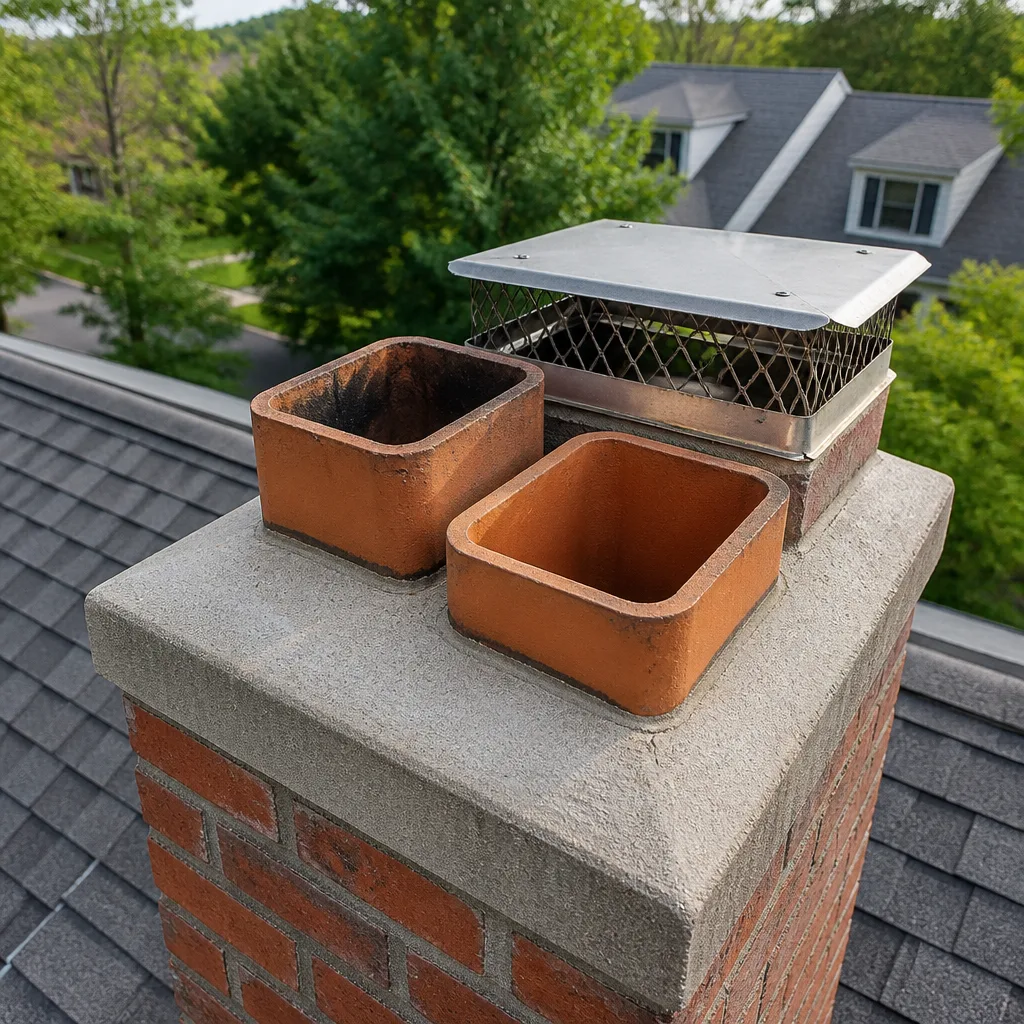
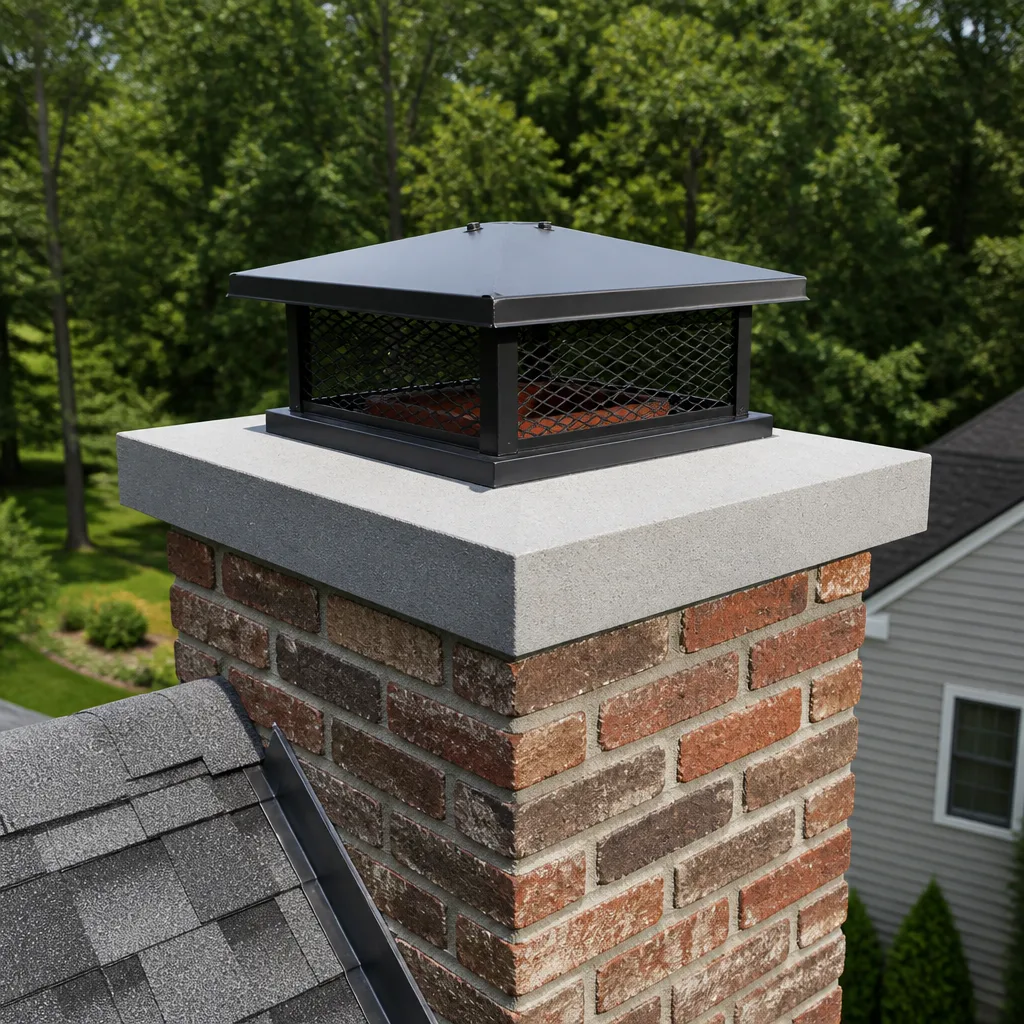
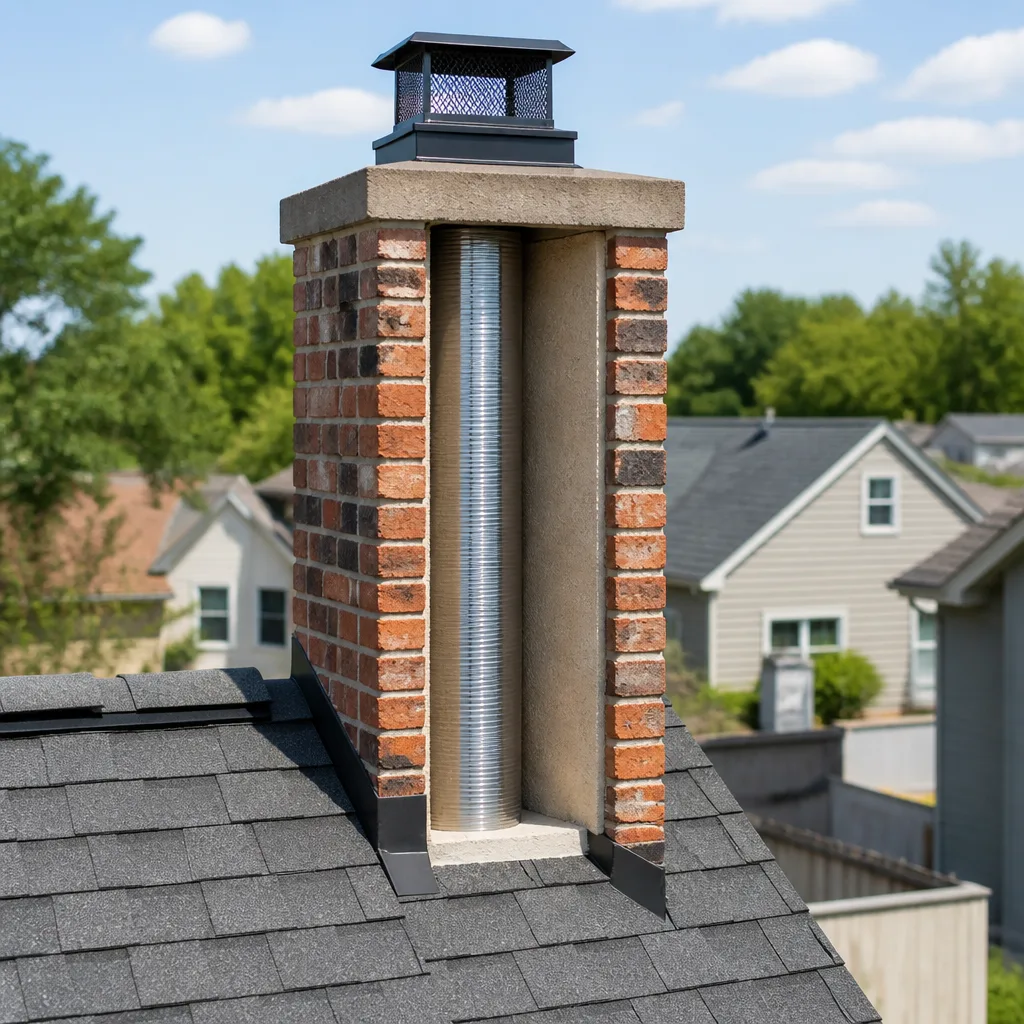
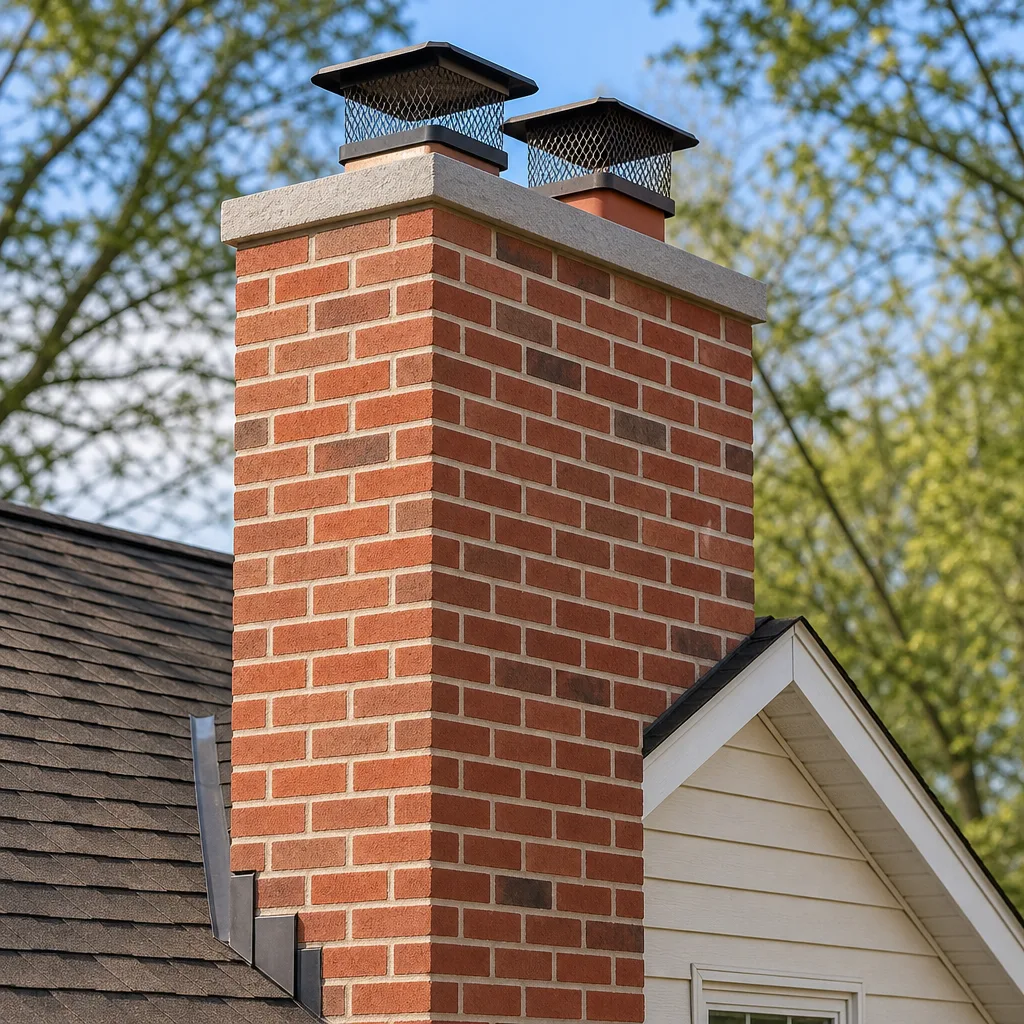
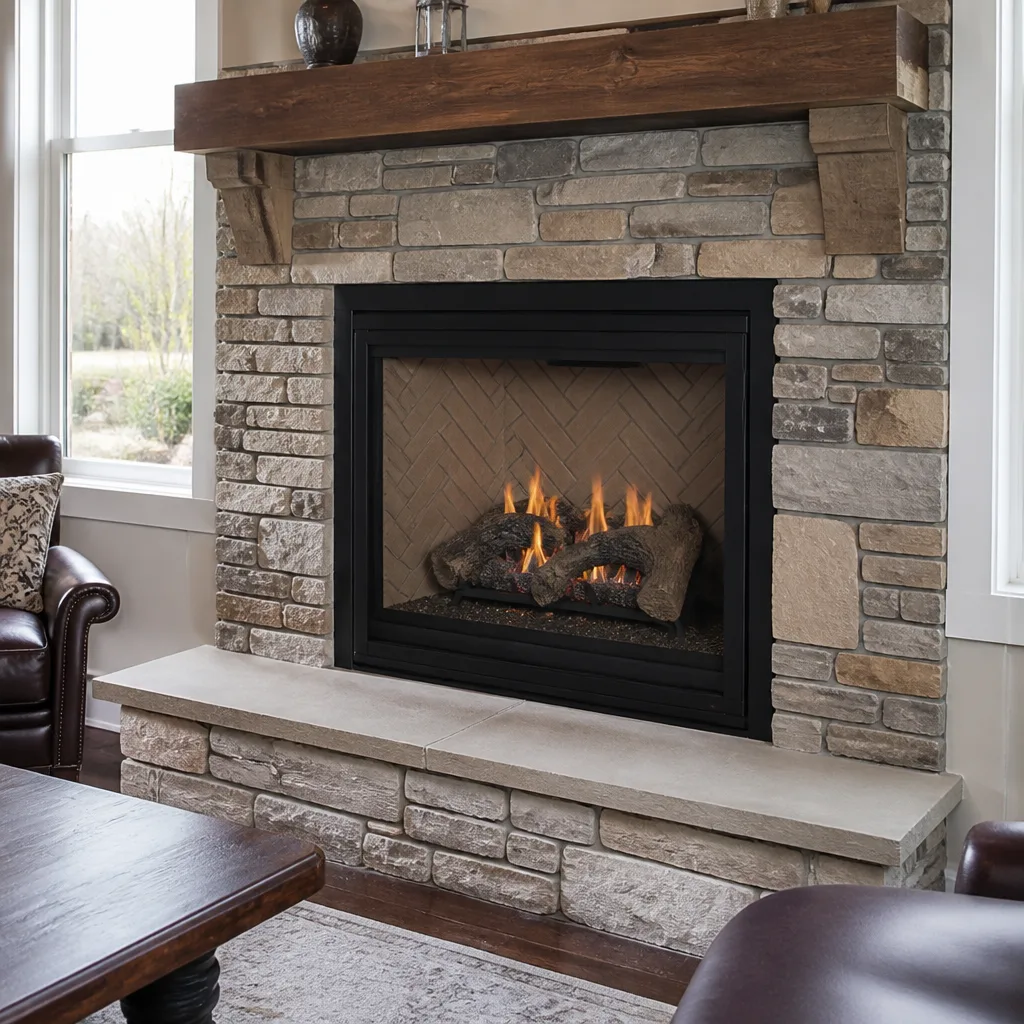
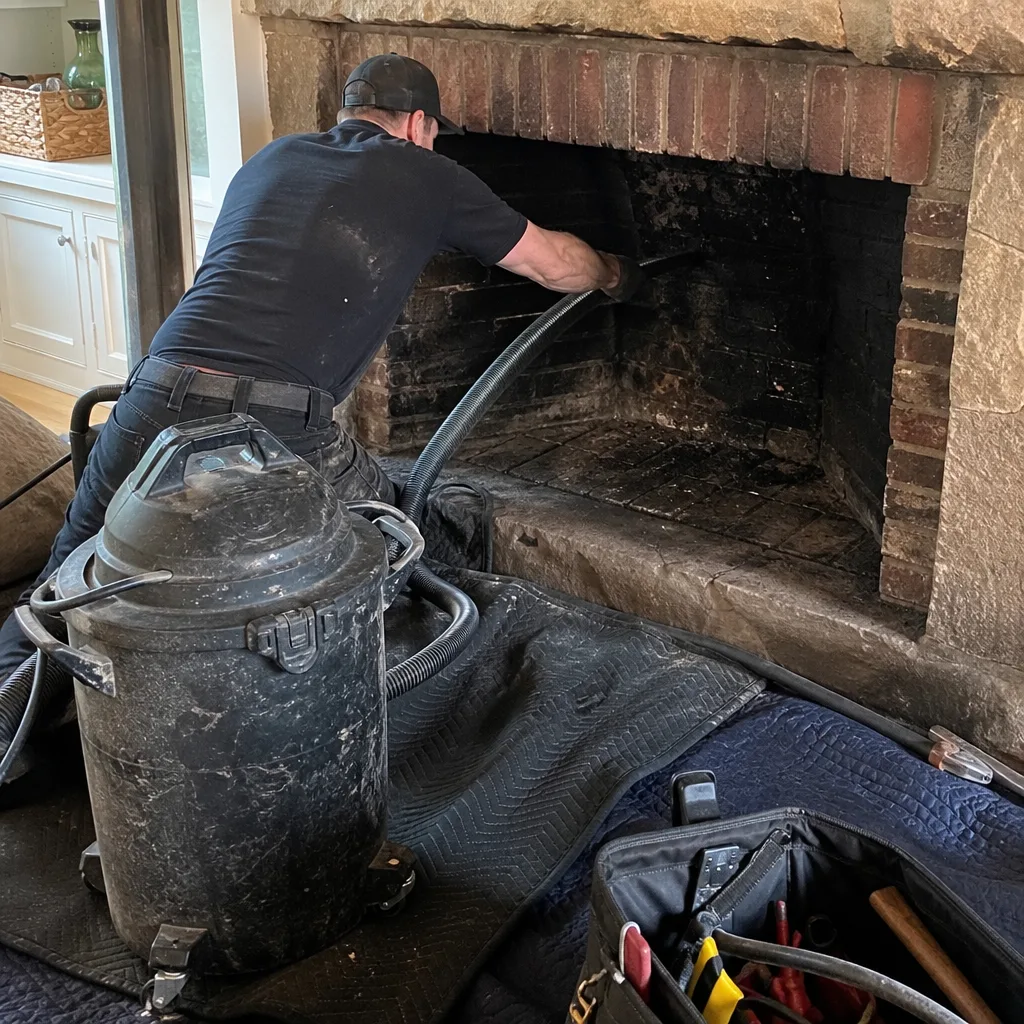 Before
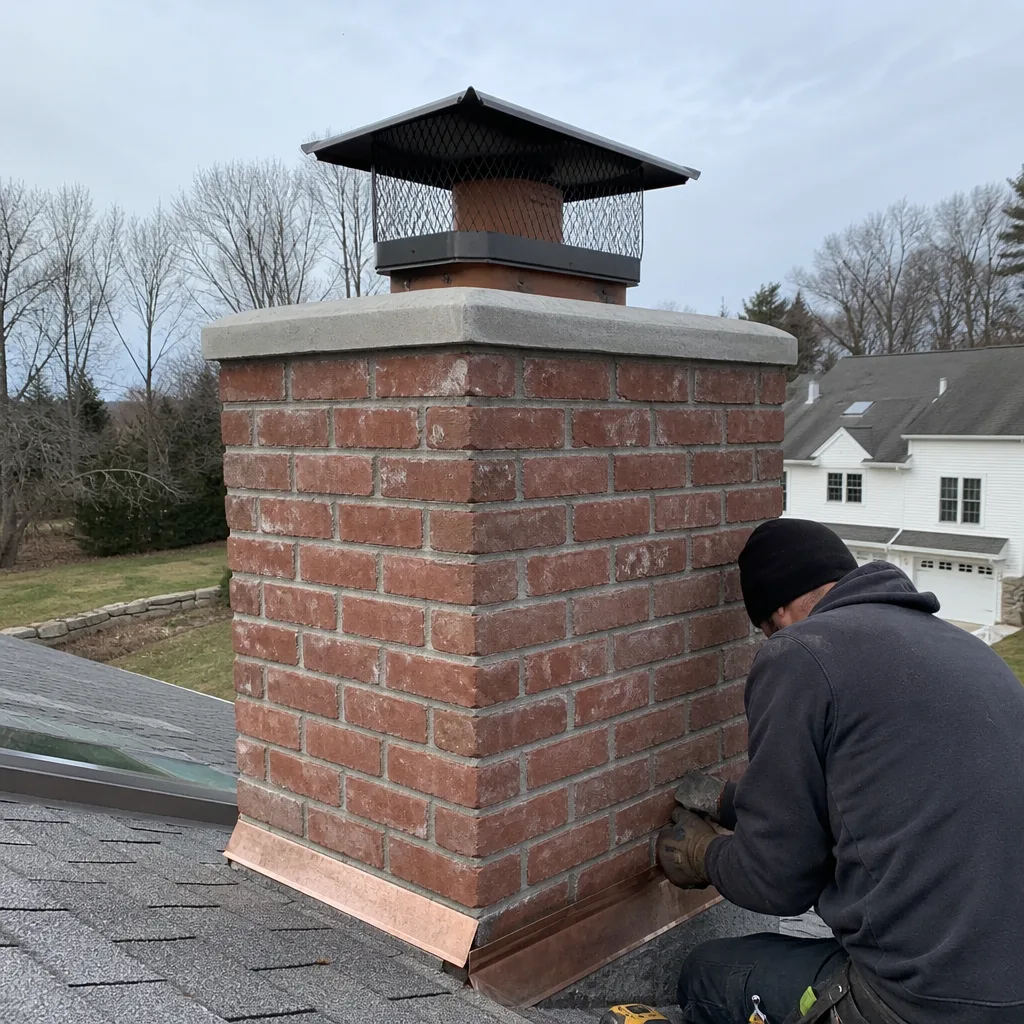 After
After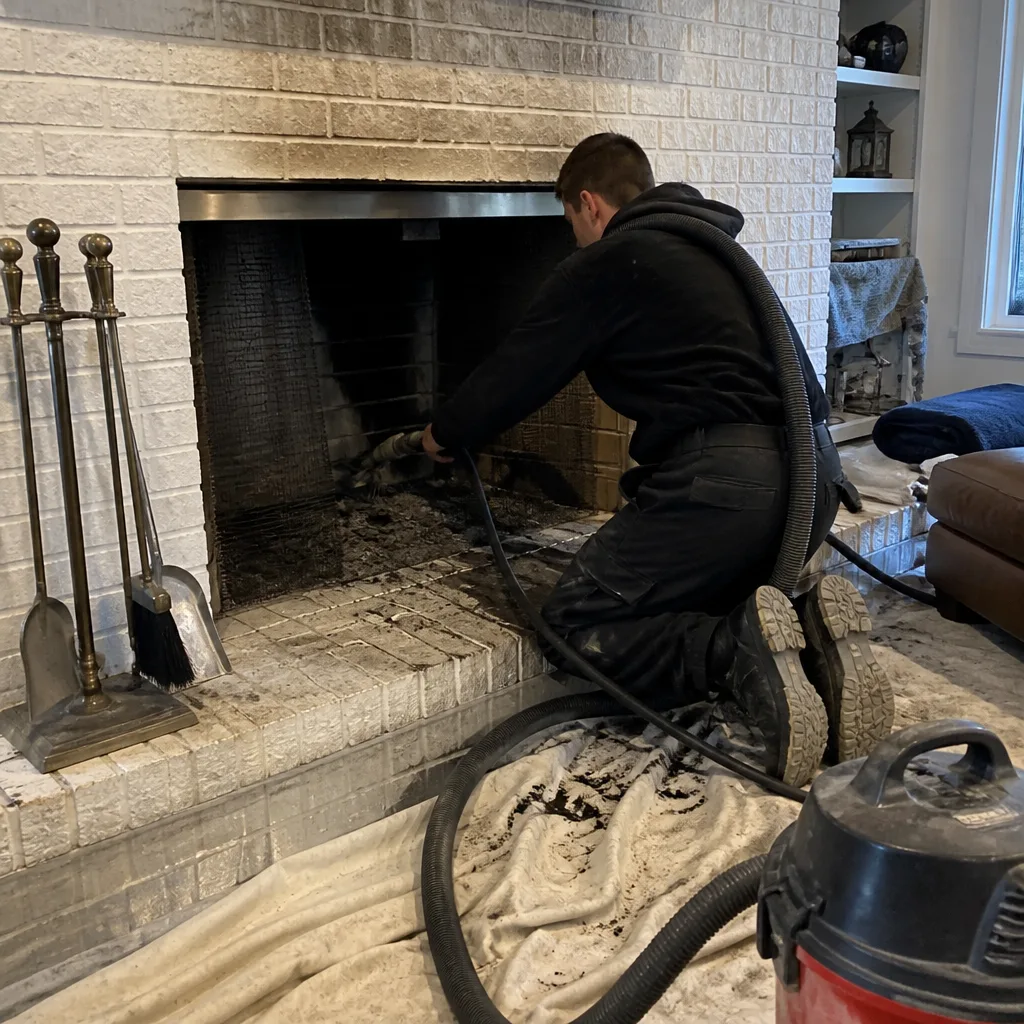 Before
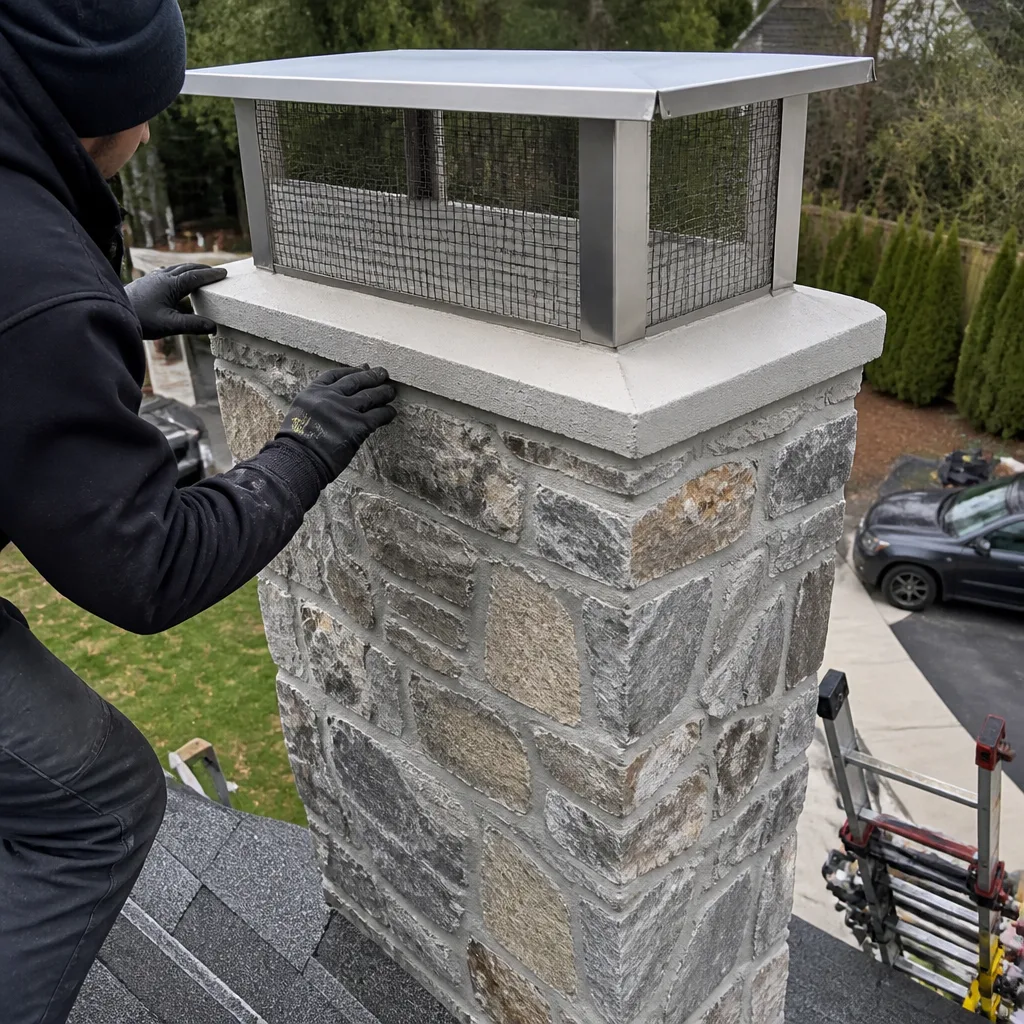 After
After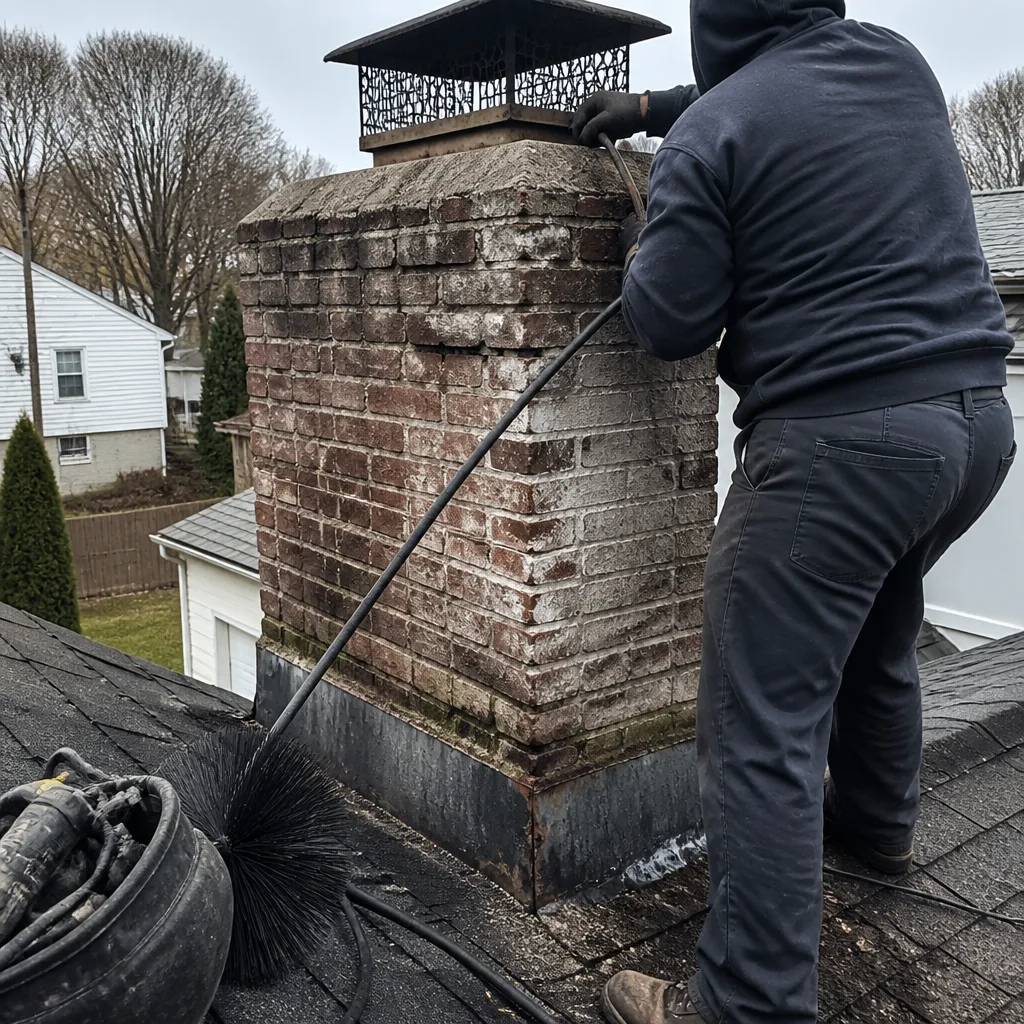 Before
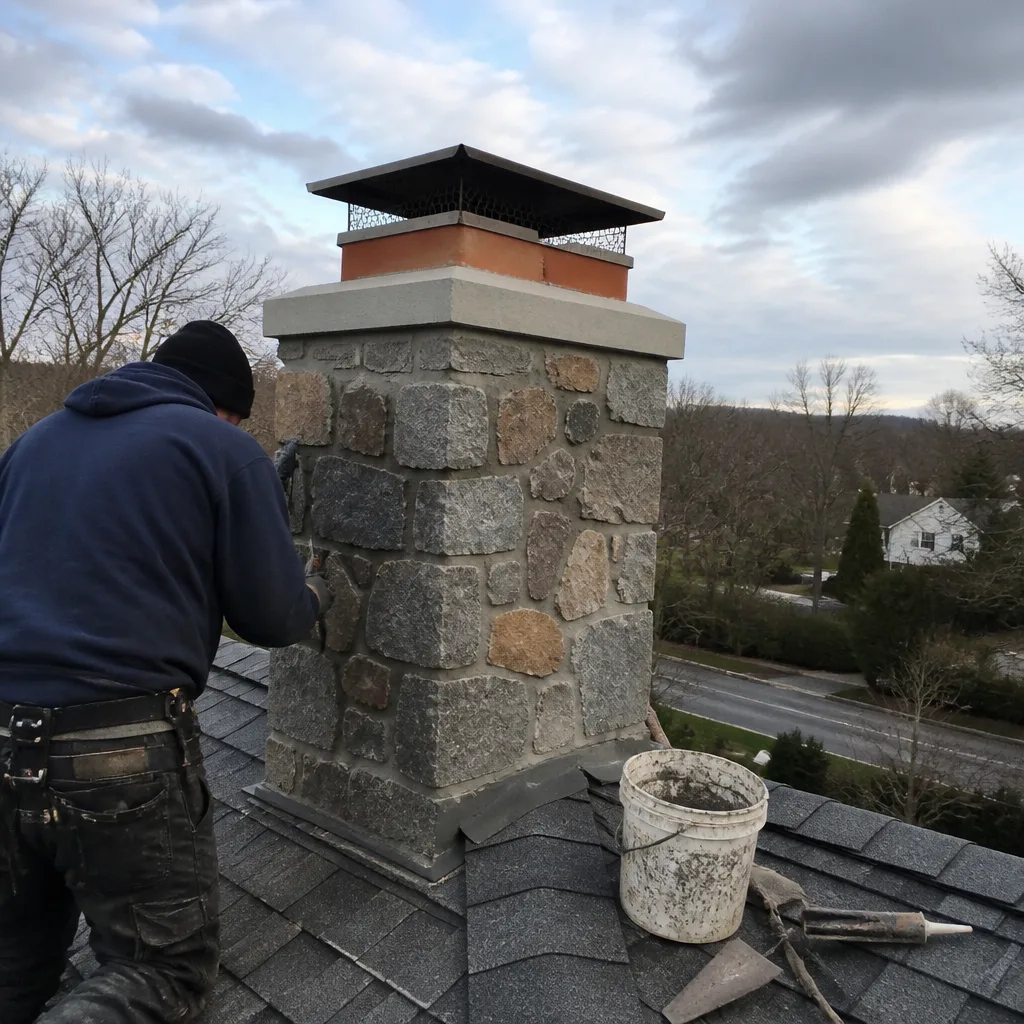 After
AfterChimney Cleaning & Sweep Maintenance Checklist for Stamford Homeowners
Nine out of ten maintenance checklists online tell you to “inspect the cap” without telling you what you’re actually looking for. A mesh that’s 80% corroded still technically exists. It just lets squirrels and sparks through equally well. This guide is different. It’s built around what actually gets skipped in Stamford homes, what those skips cost a season later, and which five minutes of your time genuinely matter. We’ve been inside Fairfield County chimneys since 1999, and the pattern is always the same: the homeowners who pay attention to a few specific things rarely see us for anything but a Chimney Cleaning & Sweep. The ones who follow a generic brochure checklist are the ones we meet in January with a chimney that won’t draw.
Quick Answer
The essential chimney maintenance checklist for Stamford homeowners comes down to this: have your chimney professionally swept once a year regardless of burn frequency (see our The Complete Guide to Chimney Cleaning in Stamford), check your cap and flashing after every major storm, keep an eye on the firebox for white staining or cracked mortar, and never skip the annual inspection just because the fire looks fine. In Stamford’s freeze-thaw climate, a chimney that worked perfectly in March can be spalling bricks by November. If you do nothing else, do those four things.
Table of Contents
- The Pre-Season Walkthrough: What to Check in Every Room
- The Roof Checklist: What You Can See and What You Can’t
- The Post-Storm Checklist Stamford Actually Needs
- Logging Your Chimney’s Service History the Right Way
- DIY vs. Professional: Where to Draw the Line
- Seasonal Timing in Stamford: When to Do What
- Common Mistakes to Avoid
- When to Call a Professional
- Frequently Asked Questions
The Pre-Season Walkthrough: What to Check in Every Room
Before the first fire of the season, walk through your home with a flashlight and ten minutes. Not the whole house. Three rooms. Here’s what matters in each.
The Room with the Fireplace
Start at the firebox. Open the damper fully and shine a light up as far as you can see. You’re looking for three things. First, creosote buildup. If you see shiny, tar-like black coating or thick, crusty deposits that look like dried coffee grounds, that’s creosote, and it’s the number one cause of chimney fires in Stamford-learn the full list in our Chimney Cleaning Warning Signs: A Stamford Homeowner’s Reference Guide. Second, look for white, chalky staining on the firebox walls or floor. That’s efflorescence, and it signals water moving through the masonry behind the breast. In Stamford homes built in the 1950s through 1970s, we see this constantly. It’s not cosmetic. It means water is getting in somewhere, and freeze-thaw cycles will make it worse every winter. Third, check the damper itself. Open and close it. It should move smoothly with no grinding. A damper that sticks or doesn’t seal fully means heat loss all winter and potential smoke backup on startup.
While you’re there, run your hand along the hearth and the face of the fireplace. Loose bricks, crumbling mortar joints, or a firebox floor that’s cracked and shifting are all signs that water has done damage below grade. Don’t ignore a hairline crack in a firebrick. In our experience, hairline cracks in firebrick are how bigger problems announce themselves.
The Attic
Not every Stamford home has attic access to the chimney chase, but if yours does, take a look. You’re checking for dark staining on the framing around the chimney, any daylight visible through gaps, or signs of animal activity. Squirrels and raccoons find their way into chimneys through damaged caps or missing chase covers, and by the time you hear them, they’ve usually been there for weeks. In Stamford’s older colonials and capes, the chase is often uninsulated, which means condensation forms inside during cold snaps. That condensation soaks into the masonry from the inside and freezes. A $40 insulation fix in October prevents a $4,000 chase rebuild in April.
The Basement
Check the cleanout door at the base of the chimney if you have one. It should be closed and sealed. If you see piles of soot or debris behind it, or worse, water staining, that’s a sign of a failing flue liner or water entry from the top. The cleanout is also where you’ll notice if a chimney fire has happened in the past without anyone knowing. We’ve opened cleanout doors in Stamford basements and found creosote that had ignited and partially burned before going out on its own. That’s a chimney that got lucky. Don’t trust luck.
The Roof Checklist: What You Can See and What You Can’t
There’s a difference between what a homeowner can safely see from the ground or a ladder and what requires someone on the roof with the right training. Both matter. Here’s the honest version.
From the Ground: What Any Homeowner Can Verify
- The cap is still there. This sounds simple, but in Stamford’s coastal wind events, caps disappear more often than you’d think. A missing cap is an open invitation to rain, birds, squirrels, and debris.
- The cap isn’t leaning or shifted. A cap that’s tilted usually means the flue tile below it has cracked or the mortar crown has deteriorated. The cap is the symptom. The crown is the disease.
- The chimney looks straight. Look at the chimney from across the street. A lean or bow in the masonry structure is never normal. It signals a foundation or structural issue that will not fix itself.
- Brick color is consistent. Dark, wet-looking patches on one side of the chimney mean water is being absorbed and held. In Stamford, that’s usually the side that faces the prevailing wind and rain.
What Requires a Sweep’s Eyes on the Roof
The things homeowners miss are almost always on top, not at eye level. The mortar crown, which is the concrete cap on top of the chimney structure, is the first thing to fail on Stamford chimneys. Hairline cracks open in freeze-thaw cycles, water gets in, and by the time you see spalling bricks on the exterior, the crown damage is years old. The flue liner itself is another one. A stainless steel liner from Chimney Cleaning & Sweep in Stamford inspection includes a video scan, because you cannot visually confirm a liner crack from the ground or even from the roof deck. You need a camera in the flue. That’s the standard we’ve operated under since 1999, and it’s caught liner failures in homes where the owners swore the chimney was fine because the fire looked good.
Flashing is the third thing. The metal where the chimney meets the roof is the most common leak point in any Stamford home with a fireplace. It needs to be checked for gaps, rust, lifted corners, or old sealant that’s hardened and pulled away from the masonry. A good flashing job lasts 15 to 20 years. A bad one leaks the first winter.
The Post-Storm Checklist Stamford Actually Needs
Stamford gets three specific weather events that damage chimneys in distinct ways. Nor’easters, ice storms, and the quick freeze-thaw swings in February and March. Each one demands a different check.
After a Nor’easter
Wind is the enemy here, not just water. High sustained winds can loosen caps, shift flashing, and drive rain sideways into mortar joints that would be fine under normal rainfall. After a serious nor’easter, check from the ground whether the cap is still seated properly and whether any shingles near the chimney are lifted or missing. If you see debris on the roof or around the chimney base, that’s worth a closer look. Loose materials up there become projectiles in the next storm.
After an Ice Storm or Heavy Freeze
Ice is the most destructive thing Stamford chimneys face. Water gets into hairline cracks in the crown or masonry, freezes, expands, and widens those cracks. Then it melts, goes deeper, and the cycle repeats. After a heavy ice event, check the brickwork around the top of the chimney for fresh spalling, which looks like flaking or chipped brick faces. In our experience, freeze-thaw spalling in Stamford is often invisible until December or January, because the internal damage happens months before the outer brick face pops off. That’s why a post-winter inspection is not optional here. It’s the difference between repointing a few joints and rebuilding a chimney structure.
The March Reality Check
March in Stamford is when everything that froze all winter finally thaws and shifts. This is when we see the chimney crowns that held on all winter finally crack open, the flashing that was sealed with old tar finally give way, and the efflorescence stains in fireboxes suddenly appear as moisture migrates outward. If you do one chimney check per year, do it in March or April. That gives you the summer to repair anything before fall burn season.
Logging Your Chimney’s Service History the Right Way
Most homeowners keep zero records of their chimney work. That’s a mistake that costs money in two specific ways. Insurance claims and home resale.
Here’s what your homeowner’s insurance carrier wants to see if you ever file a claim related to a chimney fire or water damage from a chimney leak. A dated record of professional sweeps and inspections, photographs or video from those inspections, repair invoices with the scope of work clearly stated, and proof that any recommended repairs were actually completed. Insurance adjusters in Connecticut routinely ask for this. If there’s a chimney fire and you have no record of cleaning for seven years, the claim gets harder. Not impossible, but harder.
For future buyers, a chimney service log is a trust asset. When you sell a Stamford home, the buyer’s inspector will look at the fireplace and chimney. A folder with ten years of sweep records, inspection videos, and repair documentation answers the unspoken question: did this house eat itself from the inside, or did someone maintain it? The difference in buyer confidence is real, and in a competitive Fairfield County market, it translates to fewer negotiation delays and fewer post-inspection price reductions.
What Your Log Should Include
- Date of every sweep and inspection
- Name of the company and the technician who did the work
- Photos or video from the camera inspection
- Written summary of what was found and what was recommended
- Invoice with the exact scope of work and materials used
- Date of any repairs and the warranty or guarantee on those repairs
We provide all of this after every single job, and the 90-Day Done Right Promise comes in writing. If something isn’t right, one call brings Wendell and his crew back. If you’re keeping records, keep ours. They’re built for this exact purpose.
DIY vs. Professional: Where to Draw the Line
There’s a healthy amount of chimney maintenance a handy Stamford homeowner can do with a flashlight, a ladder you trust, and ten minutes. And there’s a line where doing it yourself becomes genuinely dangerous or genuinely pointless. Here’s where that line sits.
What You Can Do Yourself
- Visual checks from the ground. Cap present, cap straight, no obvious brick spalling, no visible cracks in the mortar you can see from eye level.
- Firebox inspection. Check for efflorescence staining, cracked firebrick, and creosote buildup you can see from below.
- Damper operation. Open, close, check for smooth movement and proper sealing.
- Cleanout door check. Look for debris, water, or signs of past chimney fire.
- Smoke test on a mild day. Light a small fire and watch whether smoke draws properly up the flue or spills into the room.
What Needs a Professional
Anything on the roof. That’s not a suggestion. It’s a rule. Stamford roofs get steep, especially on the older capes and colonials in neighborhoods like Shippan and North Stamford, and a fall from a roof doesn’t care how handy you are. Chimney sweeping itself is not a DIY job, period. The brushes, rods, and techniques that actually remove creosote layer by layer are not something you approximate with a hardware store kit. Camera inspections require equipment and training. Liner repairs, crown work, flashing replacement, and any masonry repointing above the roof line all require tools and knowledge that exist for a reason. If your home uses a stainless steel liner from brands like Chimney Repair in Stamford or HeatShield, those systems are designed to be serviced properly and badly serviced by amateurs. We’ve followed more DIY sweep attempts than we can count, and they usually end with a homeowner who made things worse and a chimney that now needs more work than it originally did.
The camera footage and a plain-English verdict. That’s what you get from a professional. Every time, no exceptions.
Seasonal Timing in Stamford: When to Do What
Stamford’s chimney calendar is different from a home in Arizona or even a home in inland Connecticut. Here’s what to do and when, based on 29 years of watching Fairfield County weather do what it does.
Spring (March through May)
This is the most important season for chimney maintenance in Stamford. The freeze-thaw cycle has just finished doing its worst, and everything that cracked is now visible. Book your annual sweep and inspection in March or April. It’s off-peak for most companies, which means easier scheduling and often faster service. For year-round tips, visit our more guides & resources. More importantly, it catches winter damage before it has a summer to worsen. A chimney that gets repointed in May is ready for fall. A chimney that gets inspected in October is a fire risk all winter.
Summer (June through August)
Summer is repair season. Masonry work, crown replacement, flashing repair, and liner installation all happen best in warm, dry weather. Mortar cures properly. Sealants bond. If your March inspection found issues, get them done in July. This is also the season to think about chimney caps and Fireplace Services in Stamford if you want to prevent animal entry before fall. Squirrels move into chimneys in late summer looking for winter nesting. Beat them to it.
Fall (September through November)
Fall is for the pre-season check. If you had your chimney swept in spring, this is a lightweight verification: firebox check, damper check, quick ground-level look at the cap and flashing. Don’t wait until November to book a sweep. Every chimney company in Stamford gets slammed in October and November, and the wait times stretch. The year you procrastinate is the year a warm December weekend tempts you to light a fire in a chimney you never had checked.
Winter (December through February)
Winter is use season. Burn smart. Use seasoned hardwood, not wet or green wood, which creates creosote faster. Burn hot, clean fires rather than smoldering, smoky ones. If you smell anything odd, see smoke backing into the room, or hear unusual sounds from the chimney, stop burning and call. A chimney problem in January doesn’t wait politely until spring. It gets worse every fire.
Once a year, burn or no burn. Chimneys break in the off-season too. That’s the rule in Stamford, and it’s saved more homes than any amount of firewood stacking ever has.
Common Mistakes to Avoid
- Skipping the sweep because the fire “looks fine.” Your flue doesn’t care how the fire looks. It cares how it breathes. Creosote builds up invisibly, and the first sign of a problem is often a chimney fire that started without any warning.
- Assuming the cap is fine because it’s still up there. A corroded cap with 80% of its mesh gone is still technically a cap. It’s just a cap that lets in sparks and squirrels with equal enthusiasm. Look at the mesh, not just the presence of metal.
- Ignoring efflorescence in the firebox. That white staining is not a cosmetic issue and it’s not a cleaning issue. It’s water. Water in your masonry in Stamford means freeze-thaw damage is already happening behind the bricks.
- Waiting until fall to book a sweep. In Stamford, October and November calls wait weeks. March and April calls get seen immediately. The chimney doesn’t care, but your fall dinner party does.
- Using the fireplace as a trash incinerator. Burning wrapping paper, cardboard, or treated lumber creates a different kind of creosote that is harder to remove and more prone to ignition. Fireplaces burn firewood. That’s the whole list.
- Thinking a chimney fire that went out on its own means you’re fine. Chimney fires damage the liner even when they self-extinguish. The damage is invisible without a camera, and the next fire has a straight shot into your home’s structure.
- Trusting a phone quote without an inspection. Any company that quotes a price without looking at your chimney is guessing. In Stamford’s mix of old masonry and newer prefab systems, guessing is expensive. No-hassle upfront pricing before a single tool comes off the truck is the standard. The number you hear on the phone is the number on the invoice.
When to Call a Professional
Call a professional when you see any of the following: smoke backing into the room during a fire, a strong odor coming from the fireplace even when it’s not in use, visible cracks in the masonry that are wider than a credit card, a chimney that’s leaning or bowing, water staining on the ceiling or walls near the chimney, or any sign of animal activity in the flue. Also call if it’s been more than 18 months since your last sweep. In Stamford’s climate, that’s too long. Top Hat Chimney offers free estimates in Stamford with no trip charge inside the county. Call (475) 242-5865 and you’ll talk to a live person, not a call center. It may well be Wendell himself.
Frequently Asked Questions
Once a year, regardless of how often you burn. Stamford’s freeze-thaw climate and the moisture in coastal air mean chimneys here degrade faster than inland, and annual inspection catches that before it becomes structural. If you burn more than three cords per year, sweep twice.
A proper sweep removes creosote and soot from the flue liner using brushes and specialized tools, then inspects the full system with a camera, checks the cap, crown, flashing, damper, and firebox, and gives you a written report with photos. The good companies hand you the camera footage and a plain-English verdict. Every time, no exceptions.
In Stamford, a standard chimney sweep and inspection typically runs between $150 and $350 depending on the flue condition, accessibility, and whether a video inspection is included. If significant creosote glaze is present, or if the chimney hasn’t been cleaned in years, the price can go higher because the work takes longer. Call (475) 242-5865 for an exact quote. Estimates are free.
You need a new liner if the camera shows cracks, gaps, or spalling in the current flue. If a company recommends a liner without showing you camera footage of the damage, get a second opinion. A free second opinion on any competing written estimate is standing policy here. Liners from DuraFlex and Copperfield are installed when the existing flue is genuinely compromised, and the proof is in the video.
Creosote keeps building, water keeps penetrating the masonry, and the first sign of these problems is often a chimney fire or a roof leak. Neither is cheap. In Stamford, the freeze-thaw cycle accelerates masonry damage year over year, so a chimney that gets skipped for three years is not just dirty. It’s structurally weaker.
No. The brushes sold at hardware stores are sized for liners and flues they don’t match, and they don’t remove glazed creosote at all. More importantly, chimney sweeping from the roof is dangerous, and in Stamford’s older homes, the roof pitch makes it more dangerous. This is a job for someone who does it professionally and carries the right equipment. Call (475) 242-5865 and get it done right the first time.
The Bottom Line
Chimney maintenance in Stamford comes down to annual sweeps, post-storm checks, and paying attention to the small signs of water damage before they become structural problems. The homeowners who follow a real checklist, keep records, and schedule work in the off-season are the ones who avoid the expensive surprises. The ones who skip the sweep because the fire looks fine are the ones we meet in January. Top Hat Chimney home has been the name your neighbors trust since 1999, with a 90-Day Done Right Promise on every job and a live person who answers the phone around the clock. Call (475) 242-5865 for a free estimate. We’ve been inside more Stamford chimneys than we can count, and we’ll tell you honestly when the job doesn’t need doing.
Written by Wendell Pike, Owner at Top Hat Chimney, serving Stamford since 1999.