
Level 1 sweep and inspection to the NFPA 211 annual standard - flue, crown, cap, and flashing checked and photographed
Chimney sweep logs do not sweep chimneys. They loosen some creosote - which then falls where a brush and vacuum still have to collect it.
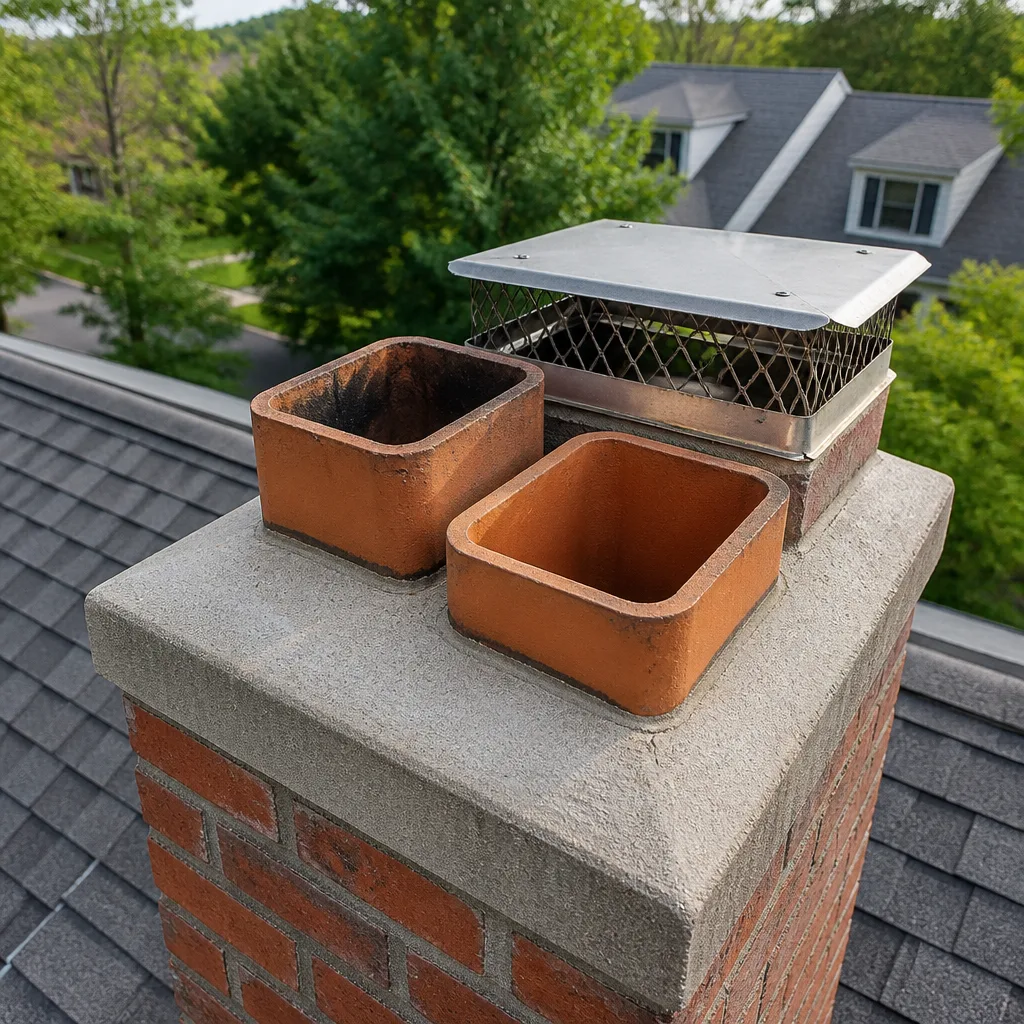
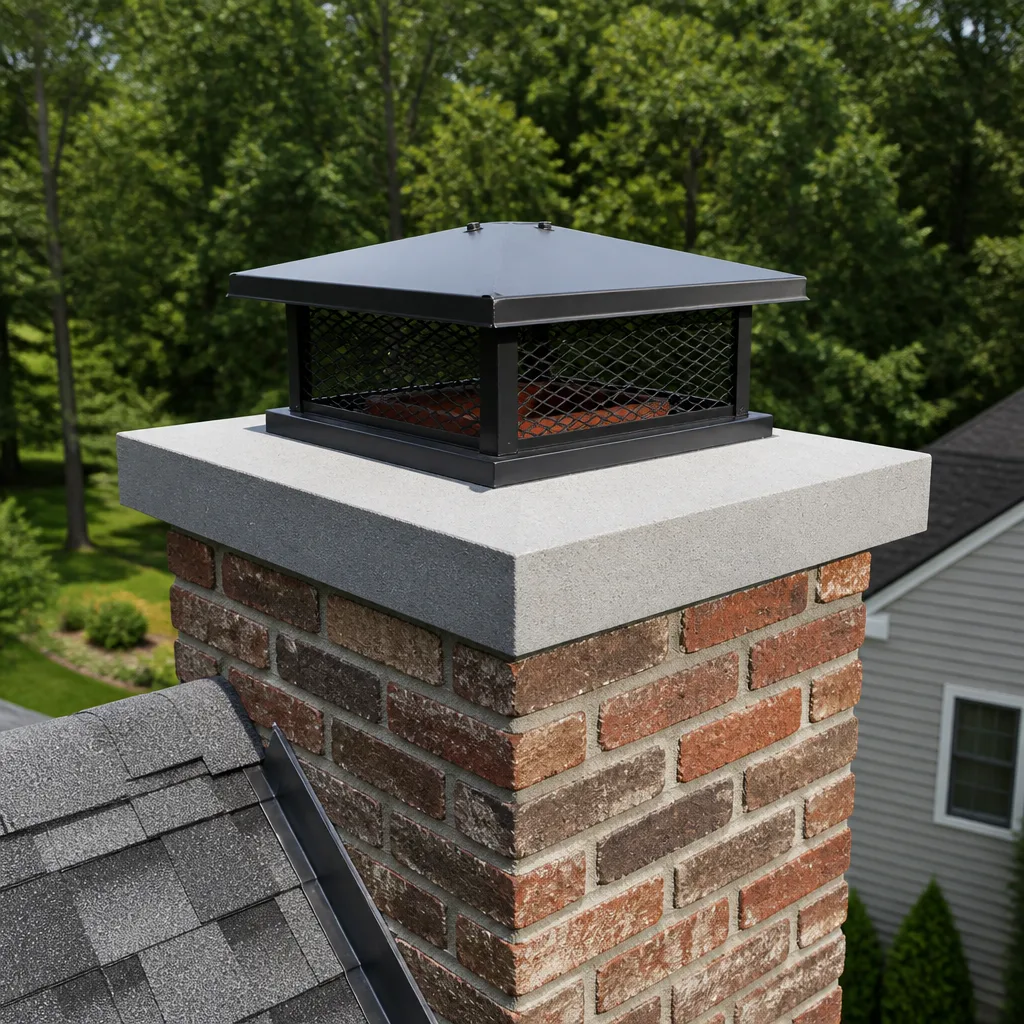
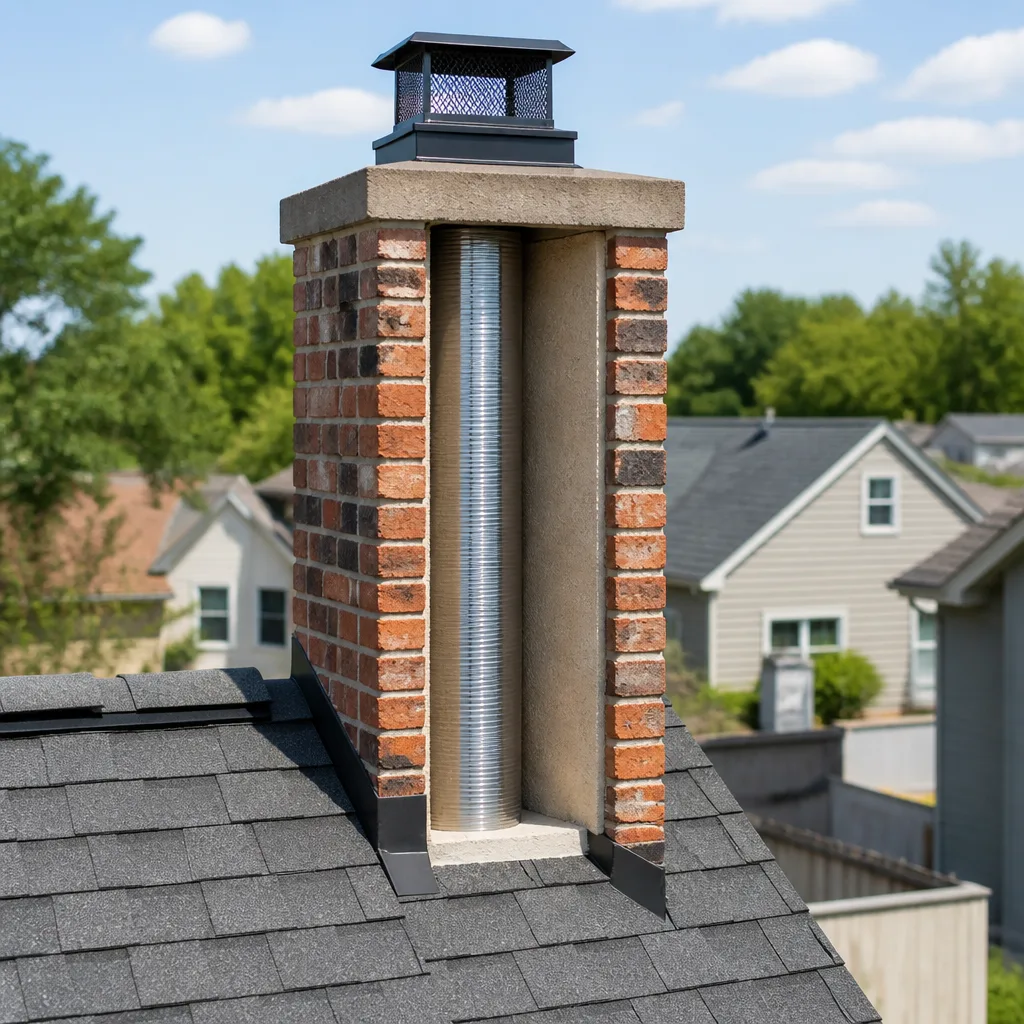
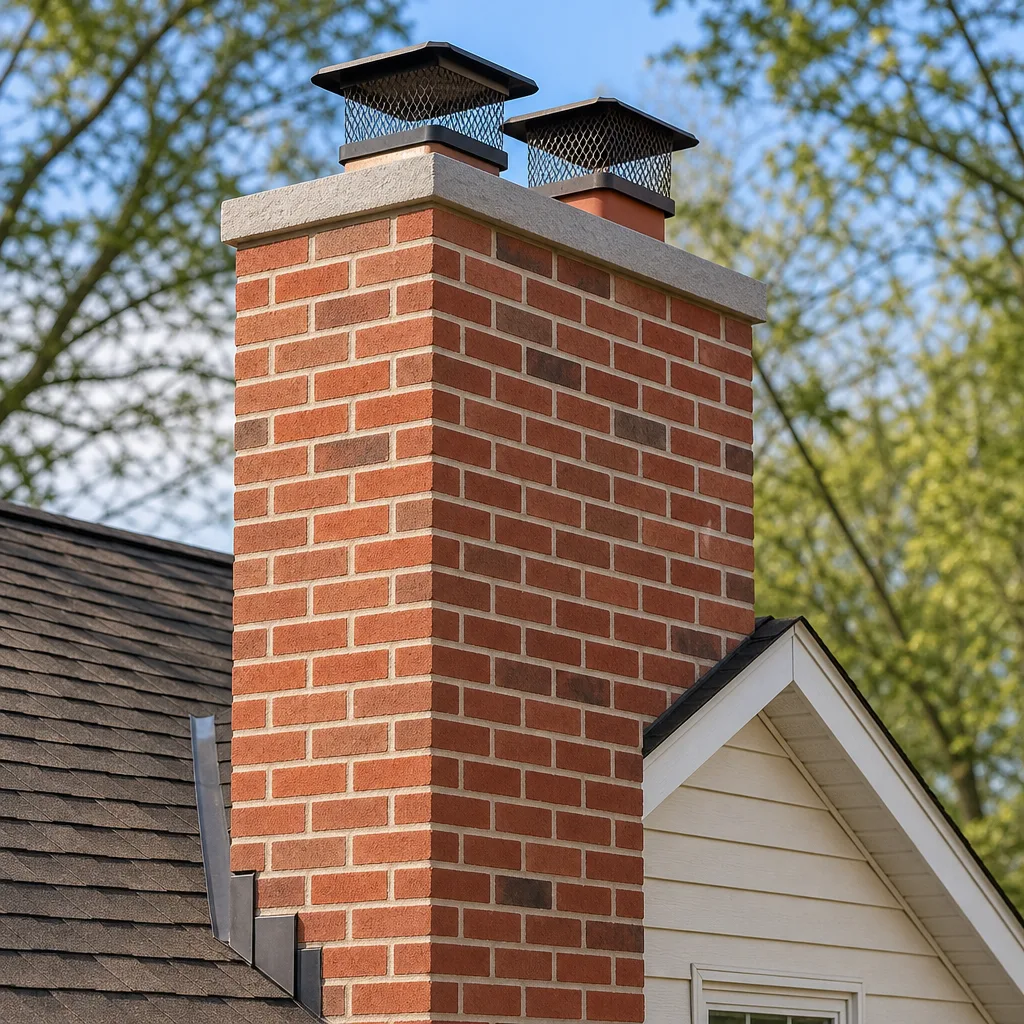
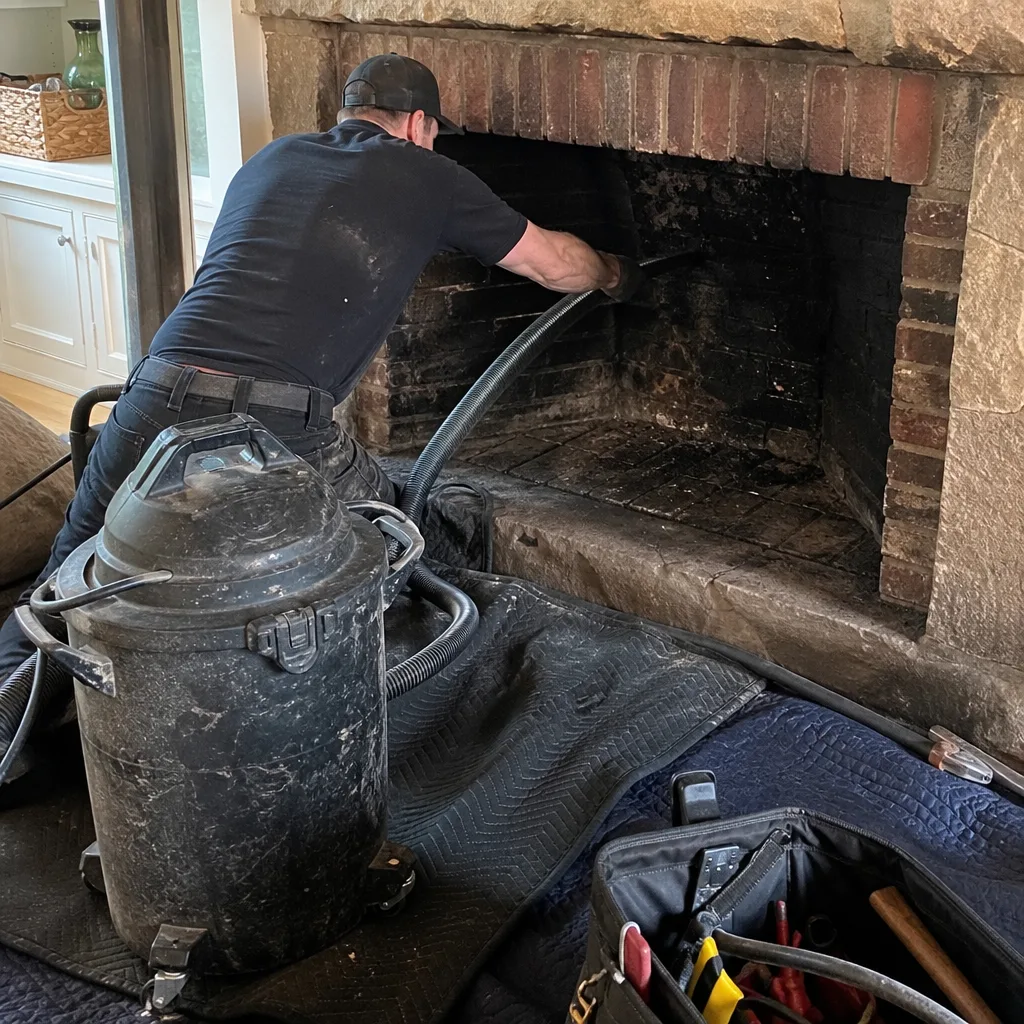 Before
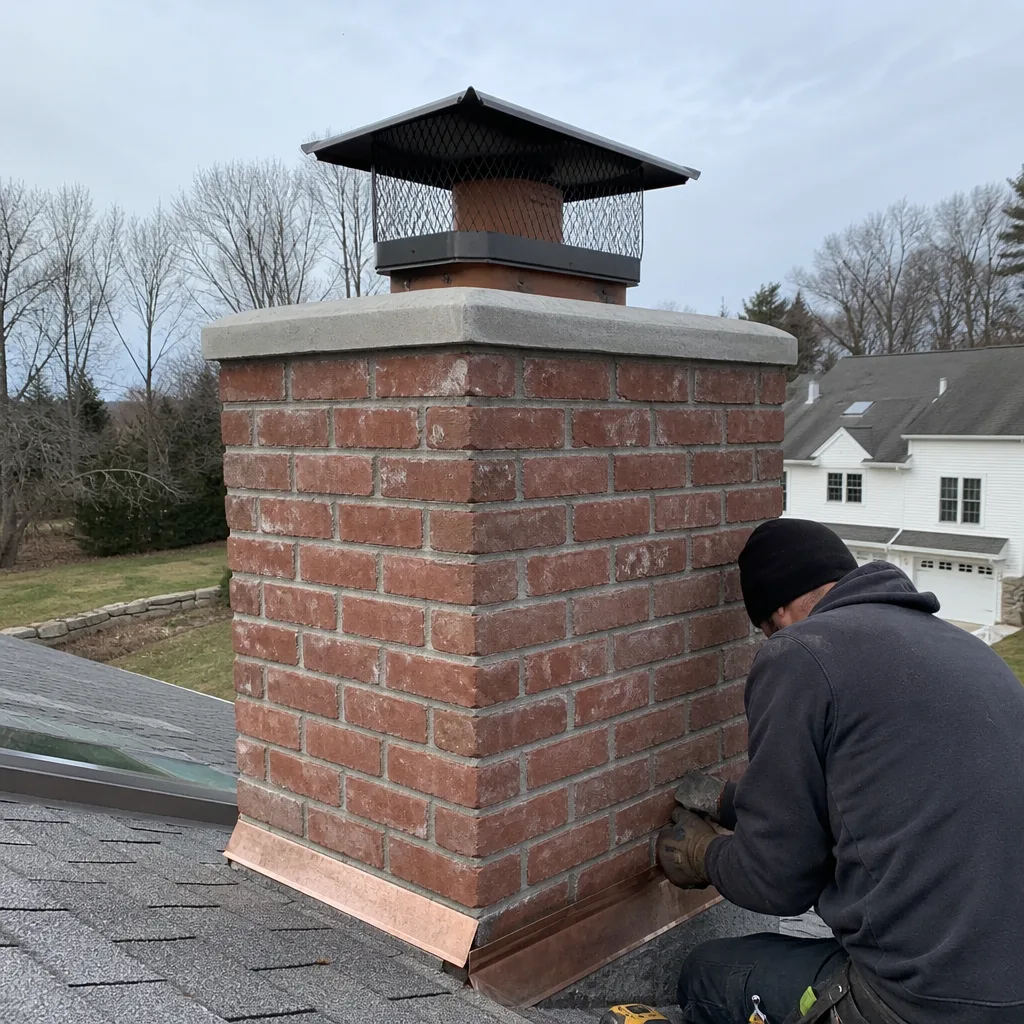 After
After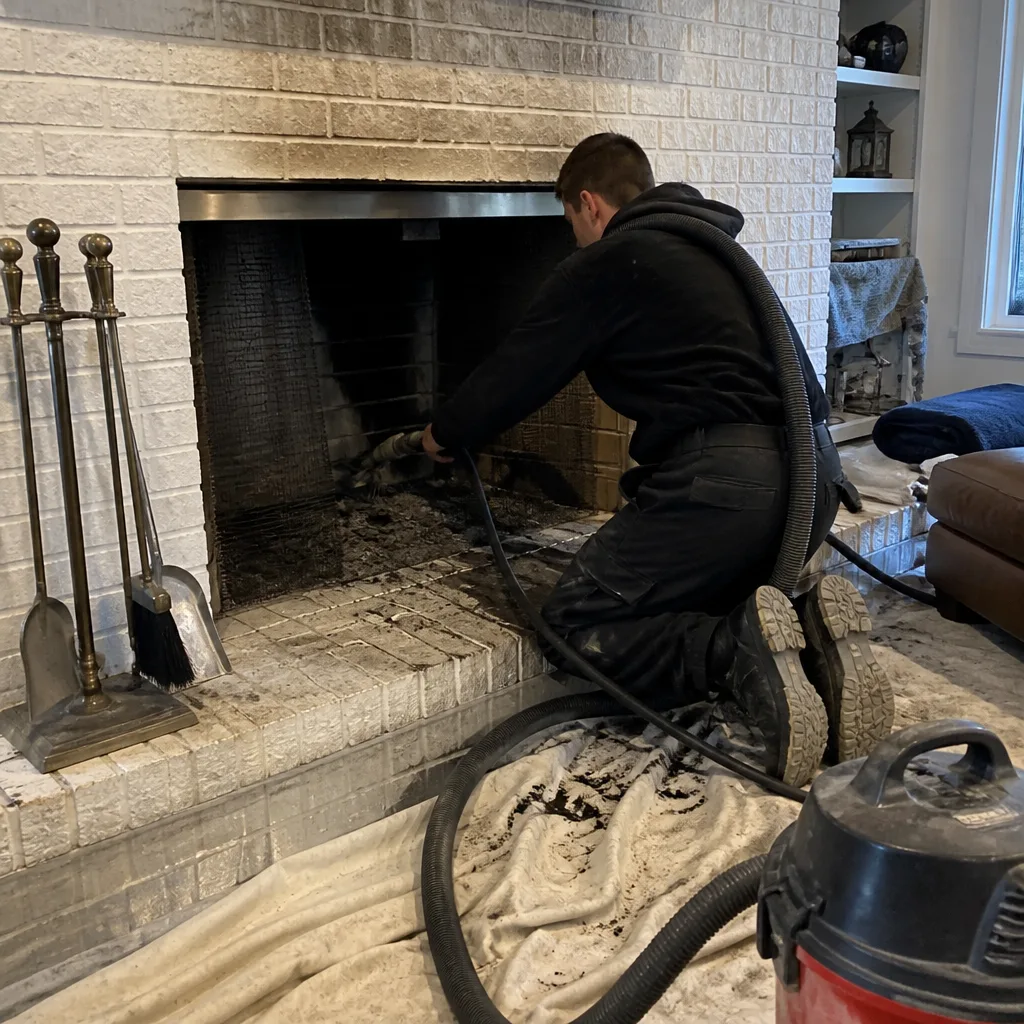 Before
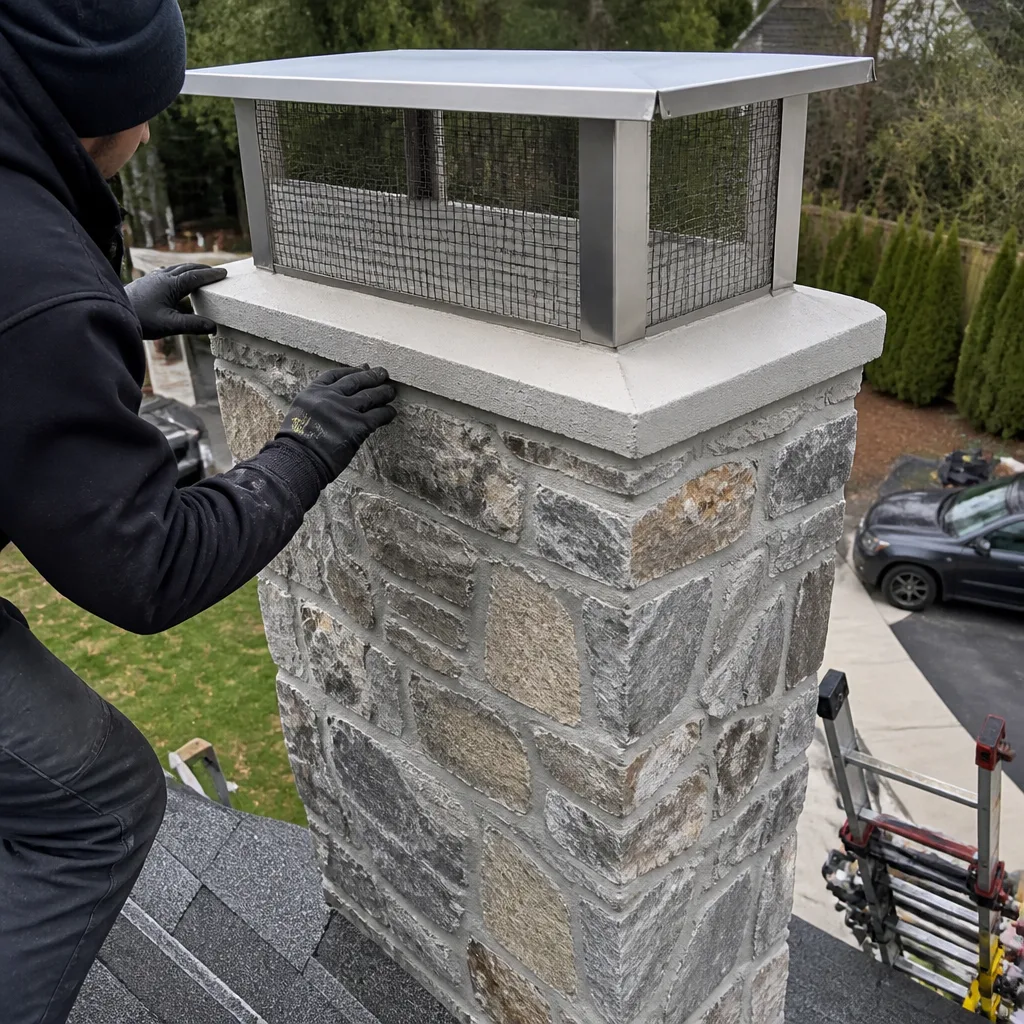 After
After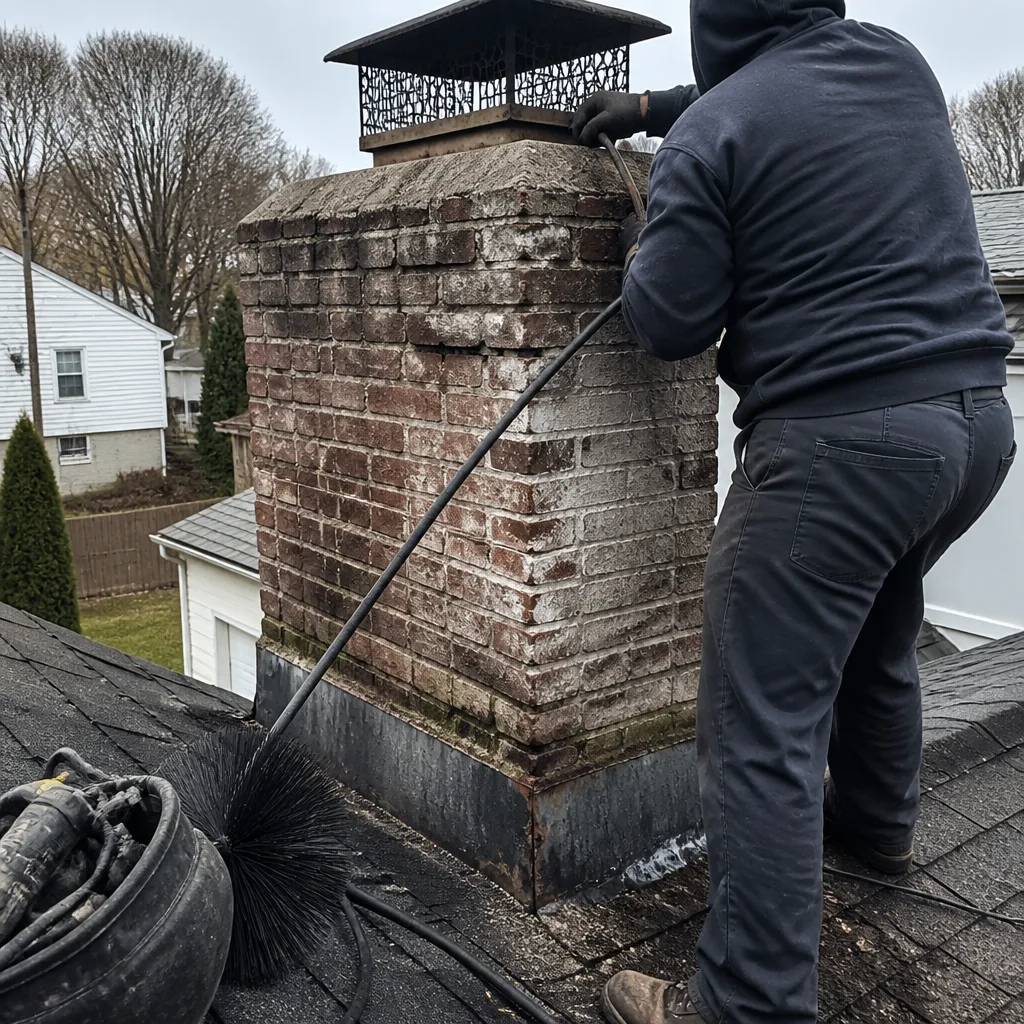 Before
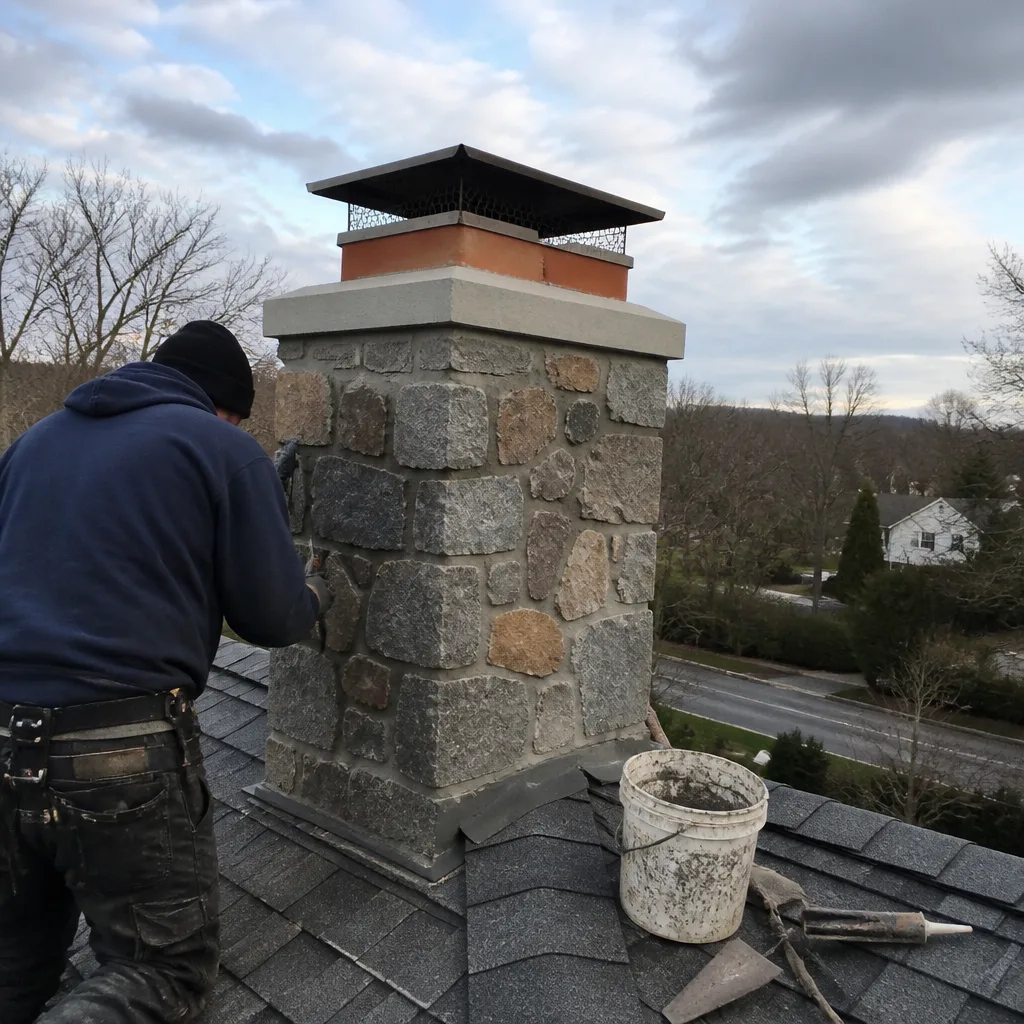 After
AfterCreosote Removal in Stamford, CT
Creosote removal in Stamford typically runs between $180 and $450 depending on how far the buildup has progressed, and in most cases Wendell and his crew can take care of it the same day you call. If you need Chimney Cleaning & Sweep services, we can get you on the schedule quickly. If you are burning wood in a Stamford home and your flue has not been looked at in the last twelve months, there is a reasonable chance you have more creosote sitting in that liner than you think. Call (475) 242-5865 and a live person will pick up – day or night – to get you on the schedule.
Creosote is a natural byproduct of burning wood. Every fire leaves some behind. The problem is that it does not stay put: it bakes onto the flue walls, thickens over time, and at its worst turns into a hard, shiny glaze that is both extremely difficult to remove and extremely easy to ignite. A chimney fire fed by third-degree creosote can burn at over 2,000 degrees Fahrenheit. The masonry and the tile liner in most Stamford homes – particularly the older Colonials and Capes in Shippan, Newfield, and Glenbrook – were not built to withstand that. So this is not a “someday” maintenance item. It is the one thing on the chimney to-do list that has a real deadline.
Top Hat Chimney has been handling this specific problem since 1999. Wendell Pike built the business around the idea that a sweep should tell you what is actually in the flue, show you the camera footage, and give you a plain-English verdict – not a sales pitch tied to whatever work happens to be most profitable that week. That same transparency applies to every Fireplace Cleaning we do. That is still how every job runs. If the creosote is light and a standard sweep handles it, we will say so. If it is Stage 3 glaze and you need chemical treatment before the brush will touch it, we will say that too, before a single tool comes off the truck.
This page covers what to look for, how the process works, what it costs in the Stamford market, and the questions homeowners ask us most often. If you want to go straight to the parent service page, our full Chimney Cleaning & Sweep in Stamford page has the broader picture of what a professional sweep includes from start to finish.
When You Need Creosote Removal
Some signs are obvious. Others are easy to dismiss until they are not. Here is what tells Wendell he is walking into a creosote job before he even gets up on the roof:
- A strong smoky or acrid smell in the house, especially in humid weather. Stamford summers are muggy. Moisture pulls creosote odor right down through the damper and into the living room. If your den smells like a campfire in July and you have not lit a fire in months, the flue walls are probably holding onto a significant deposit.
- Black, oily staining around the firebox or damper. When creosote liquefies – which it does in heat – it can drip or seep. Staining around the damper plate or on the firebox floor is one of the first visible signs that Stage 2 buildup is underway.
- Visible tar or shiny black residue inside the flue opening. If you shine a flashlight up the flue and see anything glossy or thick on the walls above the smoke chamber, stop burning until it is cleaned. That glaze is Stage 3. It needs chemical treatment and a trained set of hands.
- Reduced draw or smoke backing into the room. Heavy creosote narrows the effective diameter of the flue. In Stamford’s older homes – many of which already have undersized flues by modern standards – that restriction can cause smoke to back up into the room at normal burn levels.
- It has been more than a year since a sweep. That is the benchmark from the Chimney Safety Institute of America, and it is a reasonable one. In Stamford neighborhoods where people burn regularly through November, December, January, and February, a single heating season can deposit enough creosote to push a flue from Stage 1 into Stage 2.
- You have been burning unseasoned wood or a slow, smoldering fire. Low-temperature fires are the fastest creosote producers. If you have been loading the firebox full and letting it smolder overnight to stretch the heat, the flue is paying the price. This is especially common in the colder pockets of Stamford like the Westover and North Stamford areas, where homeowners lean on the fireplace harder through the winter.
Our Creosote Removal Process
Creosote removal is not one process. It is at least three, depending on what we find. The steps below reflect how a job actually unfolds from the moment Wendell arrives at your door to the moment the tarp comes up off your hearth.
- Visual inspection and camera scan before anything else. We run a CCTV camera through the full length of the flue. This tells us which stage of creosote we are dealing with, where the heaviest deposits sit, and whether there are any cracks or liner damage underneath. You see the footage. We walk you through what it shows. No guessing, no vague pronouncements about what might be in there.
- Upfront pricing before the first tool comes out. Once we know what we are working with, we give you the number. Not an estimate range that doubles once we are inside – the actual price. If the job is within the county, there is no trip charge. If you are a senior or veteran, the 10% discount applies automatically.
- Stage 1 removal by rotary brush. Light, powdery creosote – the kind a good fire season leaves behind – comes off cleanly with a rotary brush system run from the top down. We seal off the firebox opening first with a dust containment setup so nothing comes back into the room. This is the fastest and least expensive scenario, and it is what most Stamford homeowners who sweep annually are dealing with.
- Stage 2 and Stage 3 chemical treatment when needed. Tar-like or glazed creosote does not respond to a brush. We apply a certified chemical agent – products like those from the Copperfield line – that attacks the deposit and converts the glaze into a more friable material the brush can then move. This takes time to work, sometimes requiring a second visit after the homeowner burns a test fire to activate the treatment fully.
- Post-removal camera verification. Once the cleaning is done, we run the camera again. Not because we assume something went wrong, but because you deserve confirmation that the job is finished – not mostly finished. You see the before and the after. That is the standard on every job.
- Written summary and 90-Day Done Right Promise. Every completed job leaves your house with documentation: what we found, what we did, and the 90-Day Done Right Promise in writing. If anything is not right within ninety days, one call brings the crew back at no additional cost. That is not a verbal assurance. It is on paper.
A note on safety: Stage 3 creosote removal involves chemical agents and working with a hot-air tool in some applications. This is not a DIY project. The materials involved can off-gas, and disturbing a heavy glaze deposit without proper containment can release particles into the home. Please do not attempt it yourself. A trained sweep with the right equipment is the only sensible path here.
Creosote Removal Pricing in Stamford
Creosote removal in Stamford costs more than a standard sweep and less than a liner replacement. The range is wide because the stages of creosote require very different amounts of labor and materials. Here is how the numbers typically break down in this market:
| Service | Typical Stamford Range | Notes |
|---|---|---|
| Stage 1 creosote removal (brush clean) | $180 – $240 | Included in a standard annual sweep in most cases |
| Stage 2 removal (brush + manual scraping) | $240 – $350 | Heavier deposit, more labor time |
| Stage 3 chemical treatment (single application) | $320 – $450 | May require a follow-up visit after test burn |
| Stage 3 with follow-up second visit | $420 – $600 | Two-visit process; second visit priced at time of first |
| Camera inspection (if not bundled) | $80 – $120 | Usually bundled with removal service |
A few things affect where your job lands in those ranges. Flue height matters: Stamford has a good number of two-and-a-half story and three-story Colonials, and a taller flue means more surface area and more time. Flue shape matters too – rectangular clay-tile flues common in pre-1970s Stamford construction tend to hold creosote differently than round stainless liners. And access matters: if the roofline is steep or the chimney is set back on a hip roof, there is additional setup time involved.
If you have a competing written estimate, bring it to us. We offer a free second opinion on any written estimate from another company. We will look at it, tell you what we agree with and what we do not, and give you our price. No charge for that conversation.
Any repair that comes out of the inspection and runs over $200 – a cracked liner section, a deteriorated smoke chamber, a damaged damper – qualifies for $40 off the repair total. That is a standing offer, not a seasonal promotion.
Call (475) 242-5865 for an exact quote. Estimates are always free, and the number you hear on the phone is the number on the invoice when the job is done.
Why Stamford Homeowners Call Top Hat Chimney
Wendell Pike has been inside chimneys in this area since 1999. That is over two decades of learning which neighborhoods have the oldest masonry, which fuel sources leave the heaviest deposits, and which flue configurations cause the most trouble in Stamford’s climate. Connecticut winters are cold enough to encourage real burning, and the shoulder seasons – October and March especially – are when people are most likely to light a fire after a long off-season without checking the flue first. That is when creosote problems show up.
In North Stamford, where lots are larger and people are more likely to have a cord of wood stacked out back, we see Stage 2 and Stage 3 creosote more often than anywhere else in the service area. Homeowners there burn more wood, burn it longer, and sometimes burn it greener than they realize. In Shippan and Cove neighborhoods, where homes sit closer together and chimneys are shorter and more exposed to coastal wind pressure, we see draw problems that accelerate creosote buildup by keeping combustion temperatures lower than they should be.
The point is not to show off local knowledge. The point is that creosote removal is not a one-size answer. The sweep who shows up at your door should know what he is walking into based on where you are, what you are burning, and how your chimney is configured. Wendell has that knowledge for Stamford specifically because he has been doing this work here for a long time.
Top Hat Chimney is locally owned and owner-operated. There is no call center, no rotating crew of strangers, no franchise playbook. When you call, a live person answers – any time, day or night – and that person can actually tell you about your specific situation. Background-checked, uniformed technicians give you a real arrival window and call if it changes. The address is published. The license number is published. Wendell will run into you at the hardware store on Saturday, and that keeps everyone honest.
We also work with trusted product lines when the job calls for it. For chemical treatments and flue products, we stock from the Copperfield and Olympia Chimney lines, which hold up in the Stamford climate and are stocked locally so we are not waiting on a shipment to finish your job.
FAQs – Creosote Removal in Stamford
How do I know what stage of creosote I have?
The only reliable answer comes from a Level 1 Inspection with a camera of your flue. Stage 1 is dry and flaky – it looks like dark soot and brushes off easily. Stage 2 is tar-like, thicker, and may have a tar-paper or peanut-butter texture when disturbed. Stage 3 is a hard, shiny glaze – it looks almost like the inside of a pottery kiln and does not respond to a brush at all. You can get a rough sense by shining a flashlight up the flue and looking at the surface, but a camera gives you the full picture from top to bottom. Call (475) 242-5865 to schedule an inspection – we include the camera scan with the removal service on every job.
Is creosote removal covered by homeowners insurance in Connecticut?
Routine creosote removal is generally considered maintenance and is not covered by standard homeowners policies in Connecticut. However, if a chimney fire caused by creosote results in damage to the flue liner, firebox, or surrounding structure, that damage may be claimable depending on your policy. Some insurers in the Stamford area will ask for proof of annual chimney cleaning as a condition of the claim. Keeping a written record of your sweeps – which Top Hat Chimney provides with every completed job – protects you on that front. Talk to your insurer directly about your specific policy terms.
Can I burn a fire after creosote removal?
After a Stage 1 brush clean, yes – you can burn that same evening once the firebox is reassembled and the damper is checked. After a Stage 2 or Stage 3 chemical treatment, it depends. Some treatments require a low-temperature test burn to fully activate the chemical reaction and break down the remaining deposit, after which a second cleaning visit may be needed before normal burning resumes. We will tell you exactly what to do – and what not to do – before we leave the job. Nothing is left ambiguous.
How often does creosote removal need to happen in Stamford?
Once a year is the right baseline for most Stamford homeowners who burn regularly from October through March. If you burn more than three cords a season, or if you are burning wood that is not fully seasoned (at least twelve months dried), you may want a mid-season check as well. Chimneys that go unused for a season still need a Level 2 Inspection before the first fire of the year – animals nest, mortar cracks, and caps fail in Connecticut winters regardless of whether you lit a fire. The inspection tells you what you are actually dealing with, and it is always cheaper than finding out the hard way. Call (475) 242-5865 and we will get you on the schedule.
Schedule Your Creosote Removal in Stamford Today
If you are not sure what is in your flue, the most useful thing you can do right now is call us. The camera inspection gives you a real answer, not a guess. Wendell and his crew have been doing this work in Stamford since 1999, and the 90-Day Done Right Promise is in writing on every job – if it is not right, one call brings the crew back at no extra cost.
Call (475) 242-5865 to schedule your creosote removal or get a free estimate. A live person answers every call, and same-day appointments are available when the schedule allows. You can also start by reading more about our full home page and what Top Hat Chimney covers across the area.
Senior and veteran discounts of 10% apply to every job, automatically. Any repair over $200 gets $40 off. No trip charge inside the county. The number you hear on the phone is the number on the invoice.
Written by Wendell Pike, Owner at Top Hat Chimney, serving Stamford.