
Level 1 sweep and inspection to the NFPA 211 annual standard - flue, crown, cap, and flashing checked and photographed
Chimney sweep logs do not sweep chimneys. They loosen some creosote - which then falls where a brush and vacuum still have to collect it.
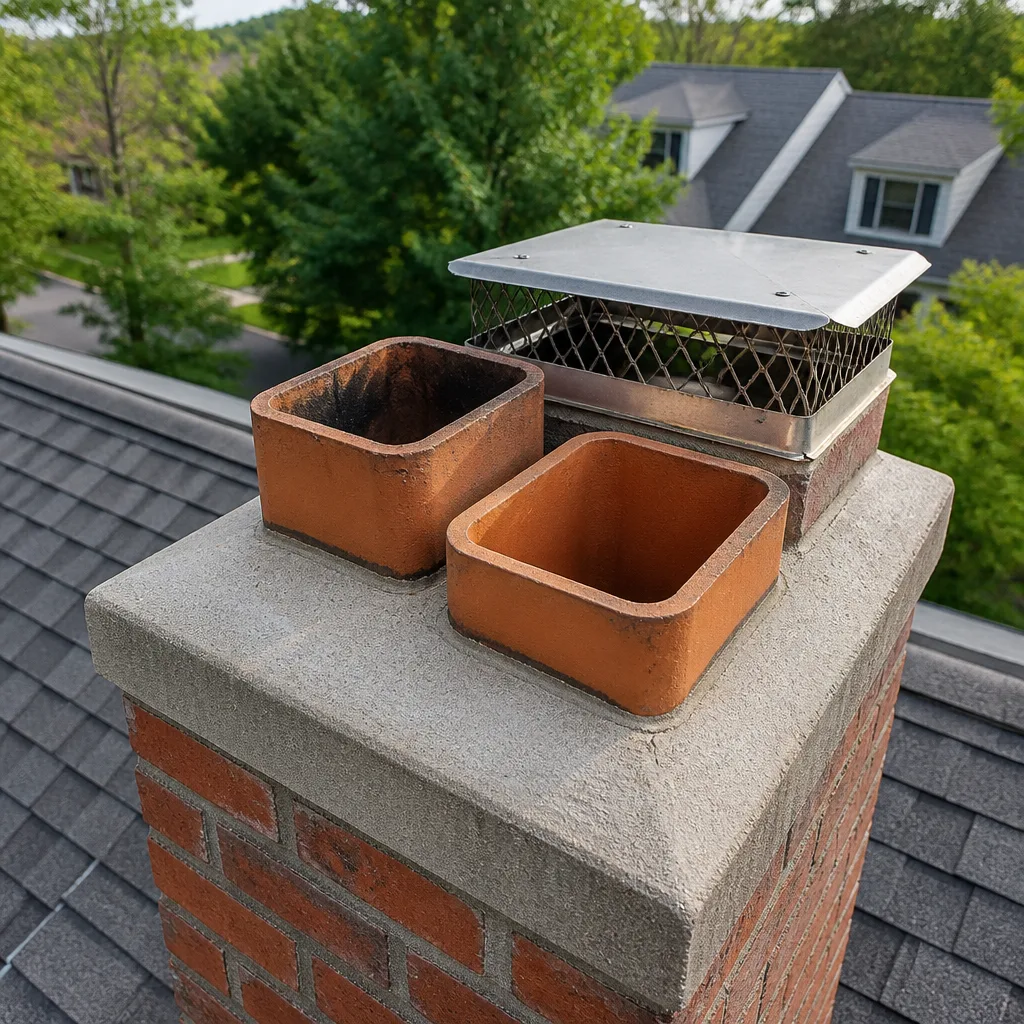
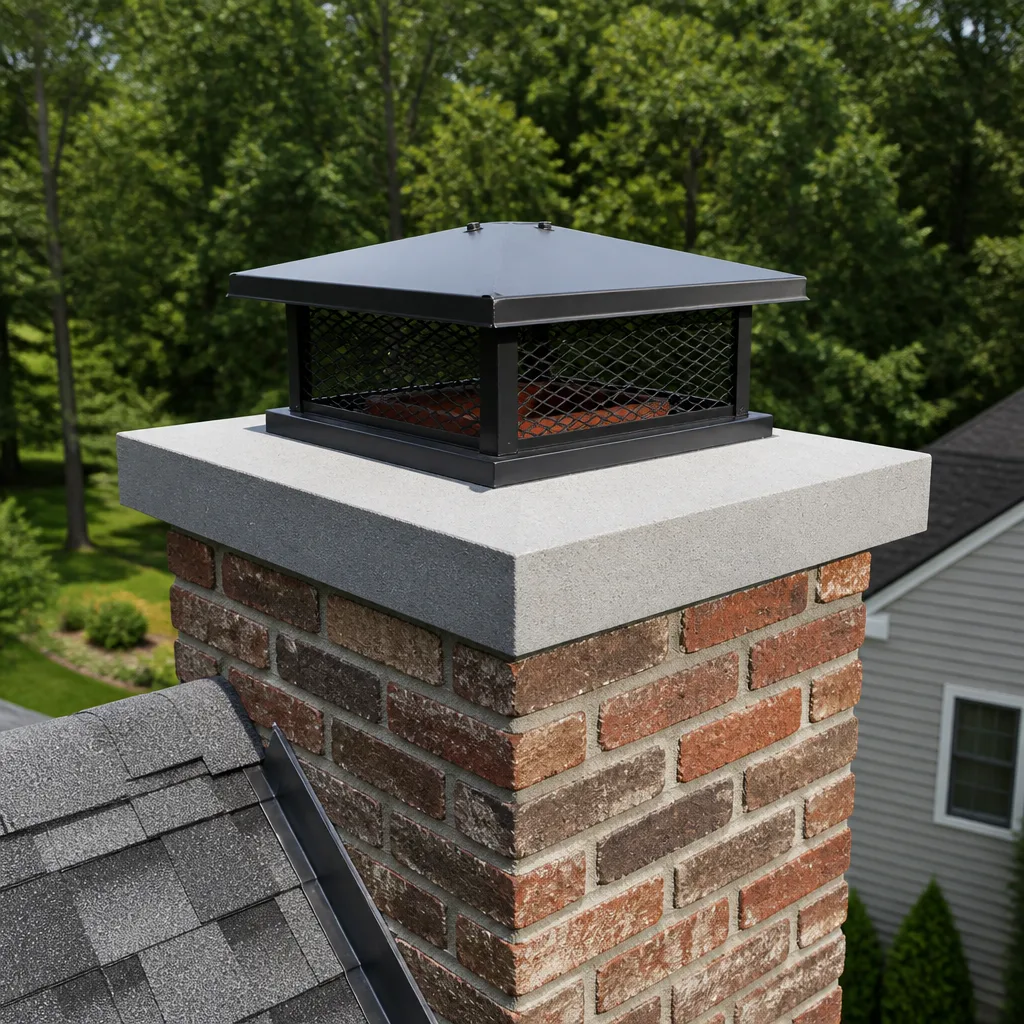
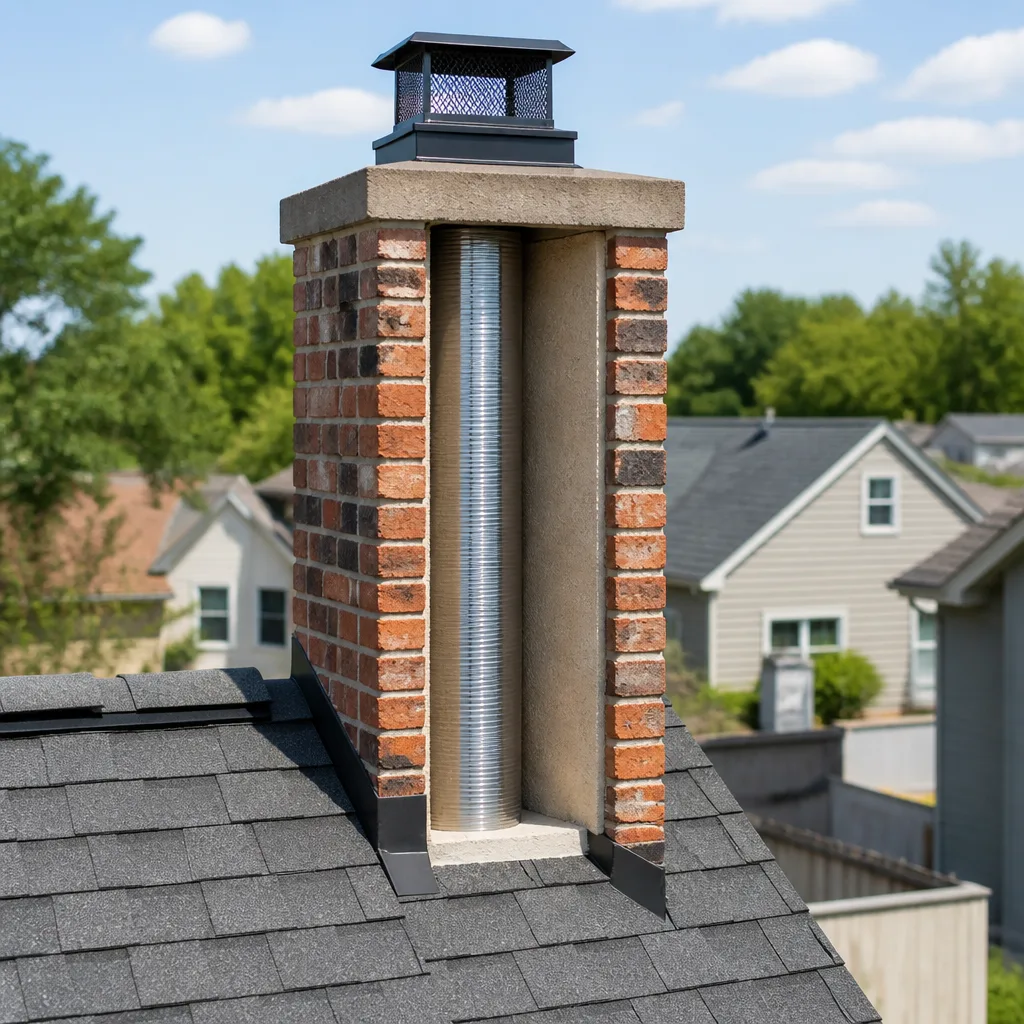
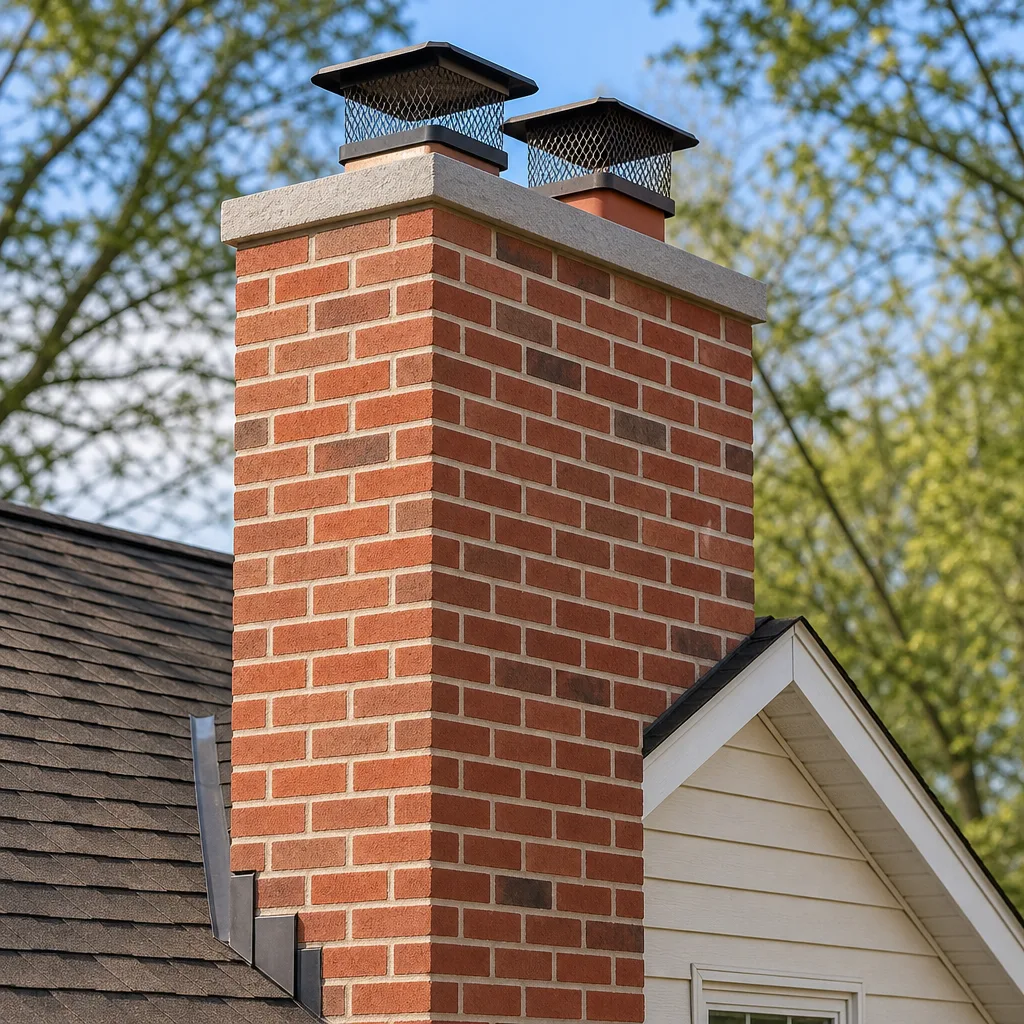
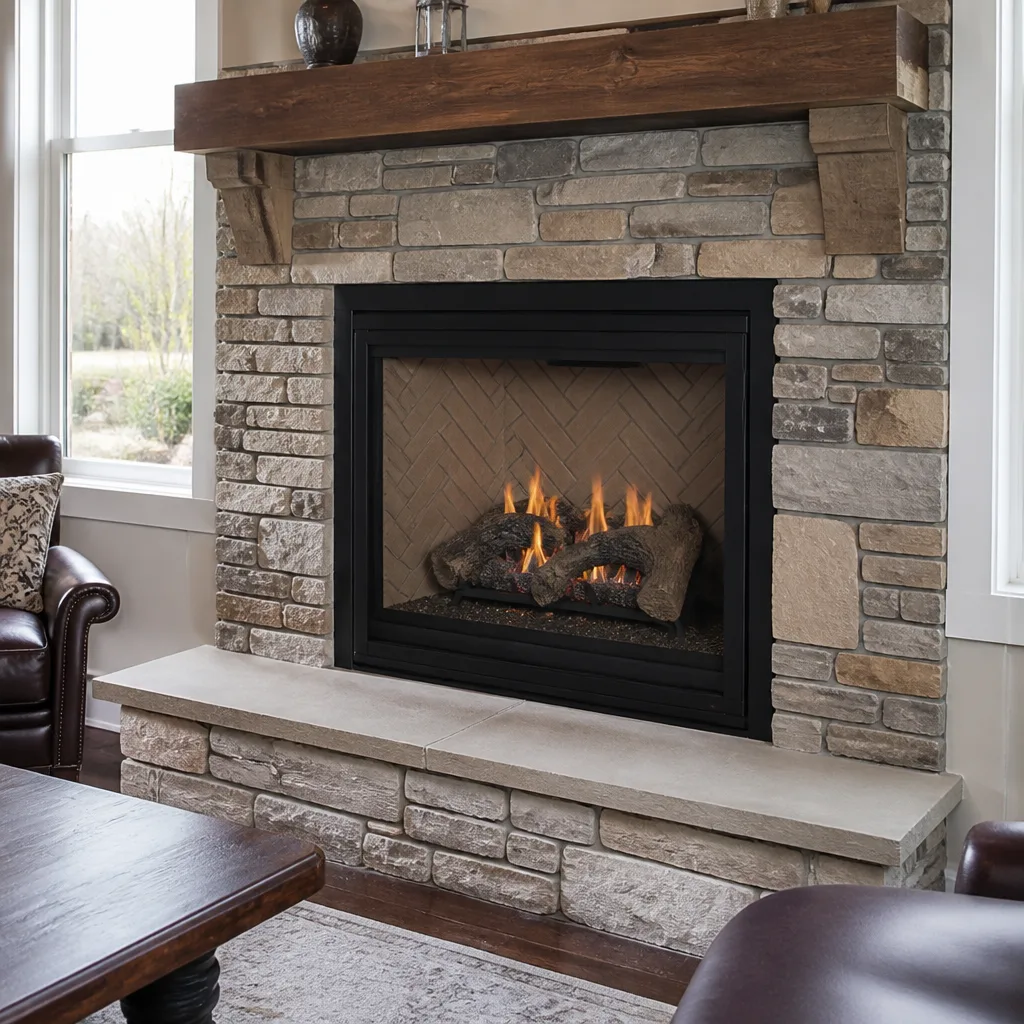
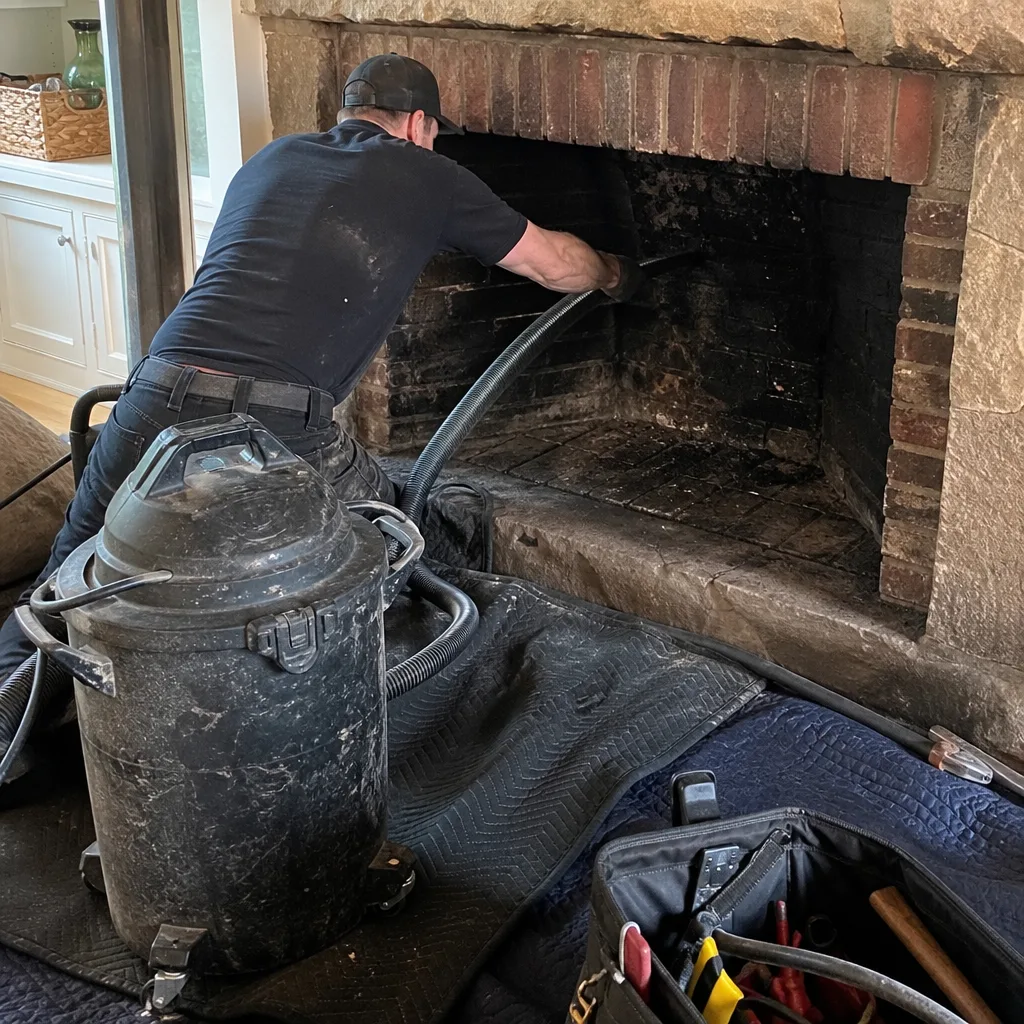 Before
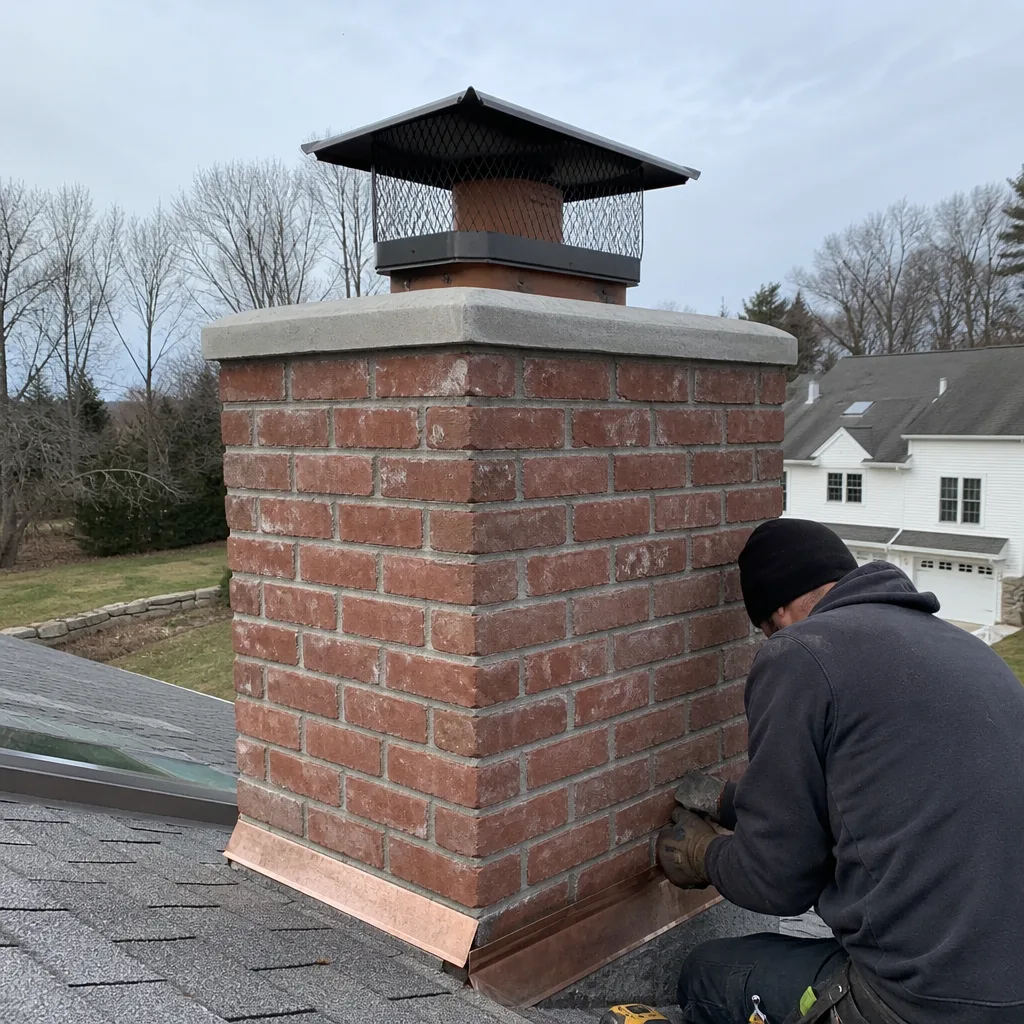 After
After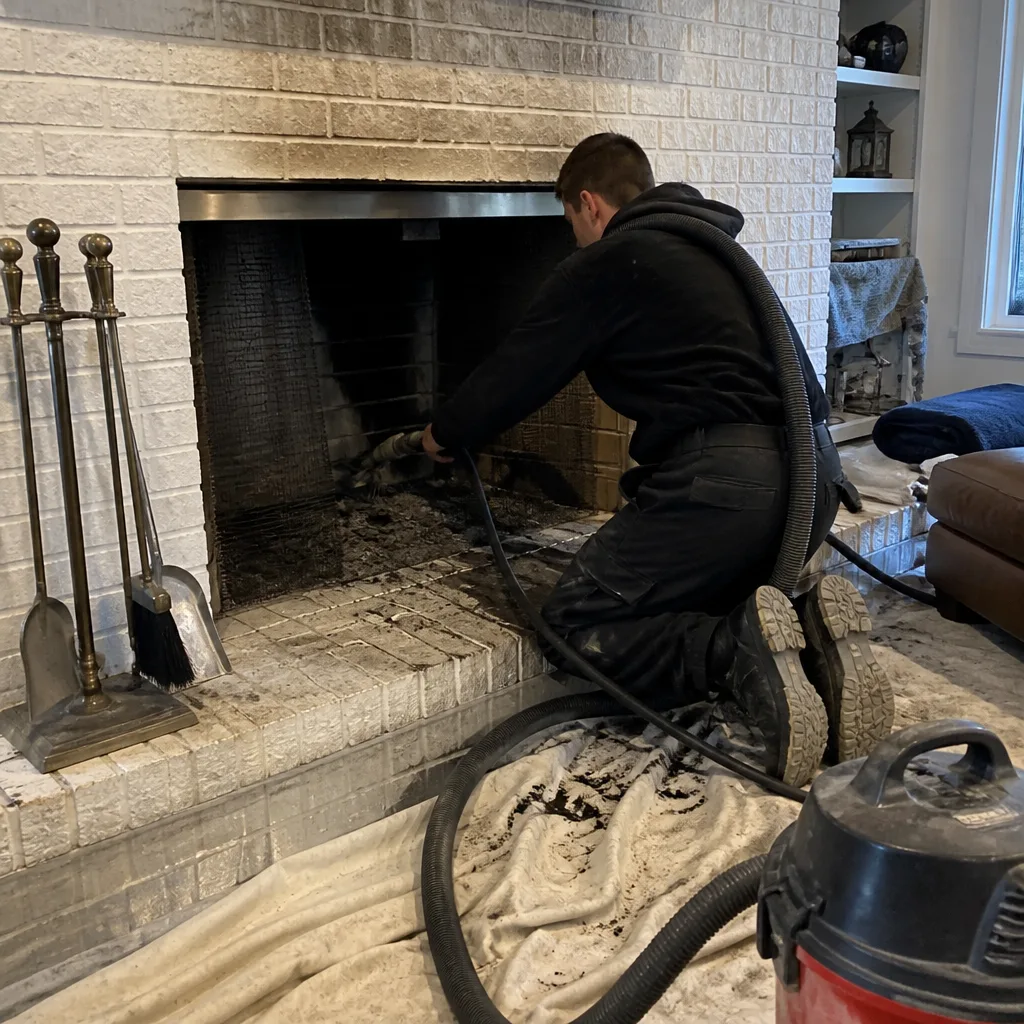 Before
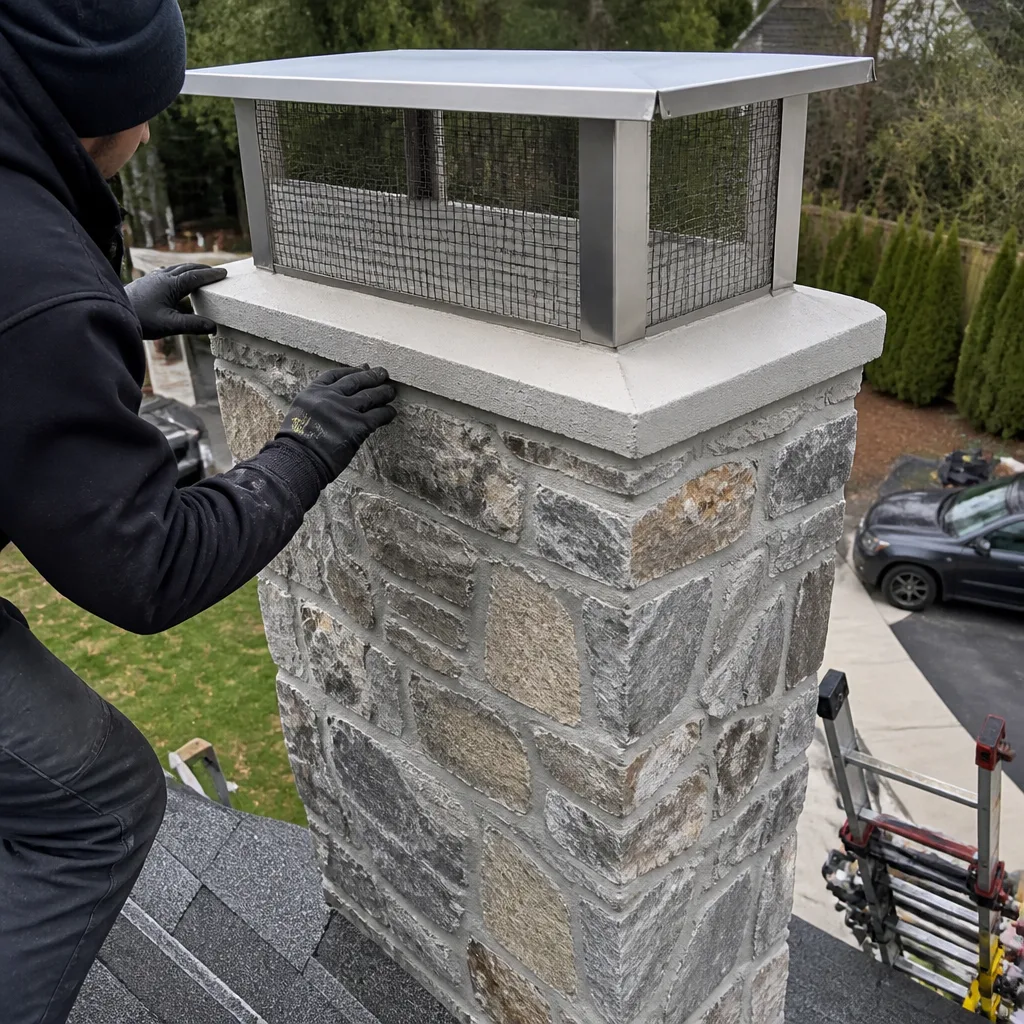 After
After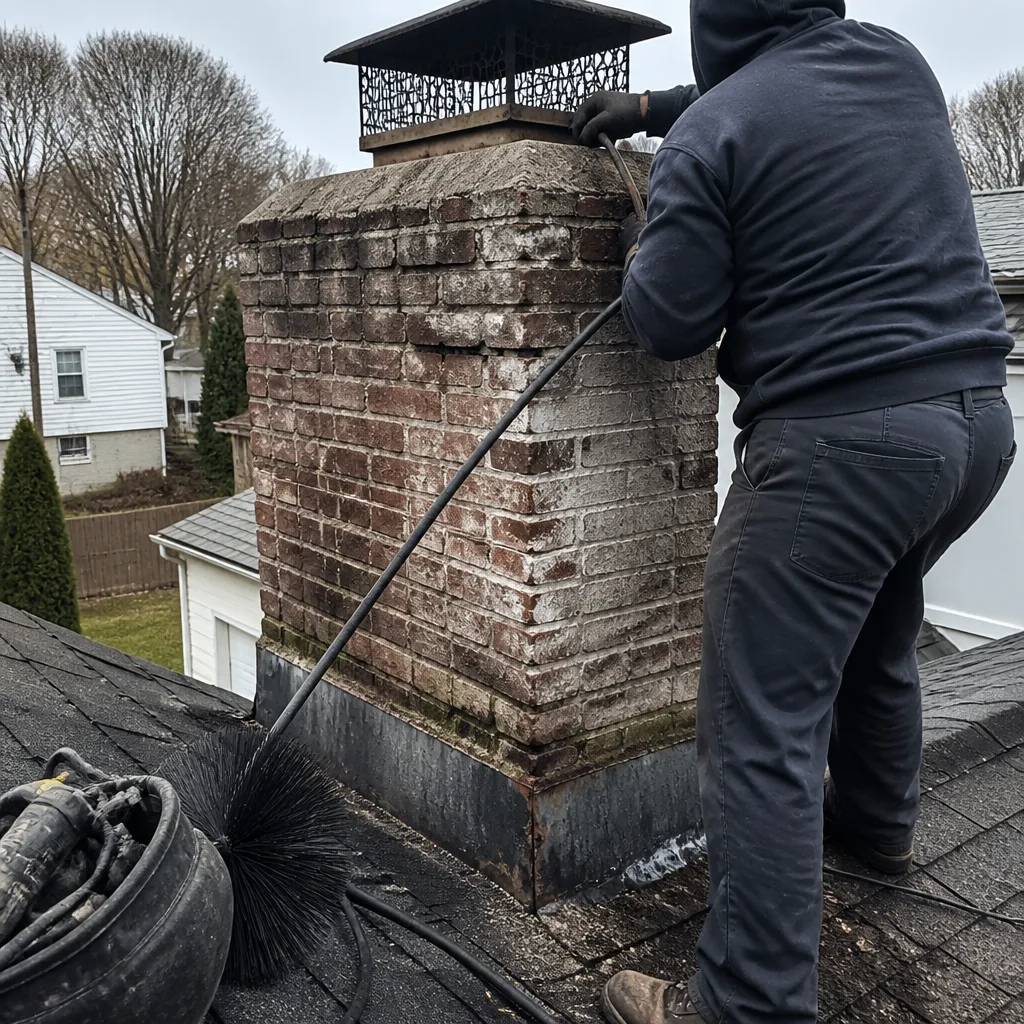 Before
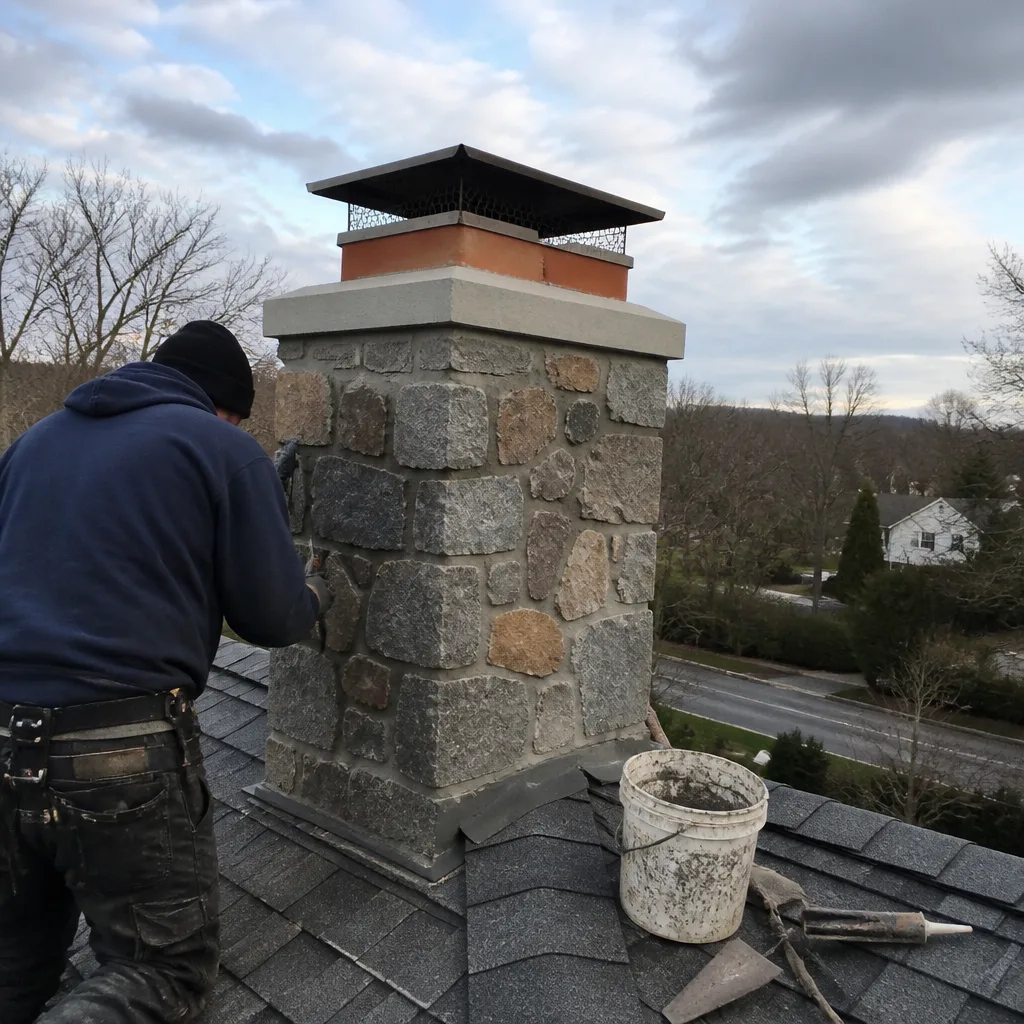 After
AfterFamco Flue Liner Replacement: The Stamford Owner’s Guide
If you have a Famco flue liner that’s cracked, corroded, or just worn past its service life, we stock Famco-compatible stainless steel liners and install them throughout Stamford, typically for $1,900 to $3,400 depending on liner diameter, length, and chimney access. Most replacements are done in a single day once we’re on site. The way most Stamford homeowners find out their Famco liner has failed is simple: they notice flue tile debris at the base of the fireplace, a rust streak on the chimney exterior, or they call us after another company showed them camera footage of a liner that looks like Swiss cheese.
We’re an independent chimney service company. We install and service Famco products, but we’re not affiliated with or endorsed by Famco. We stock their liners because we’ve torn out enough failed knockoffs to know the difference. Wendell Pike has been running crews across Fairfield County since 1999, and he’ll tell you the same thing he tells every Stamford homeowner: if the liner doesn’t need replacing, you’ll hear it from us first.
Which Famco Models This Applies To
Famco builds their flue liners in a few distinct lines, and the replacement path depends on which one your home has. The most common in Stamford homes are the Famco 300-series and 500-series flexible stainless liners, typically in 4″, 5″, 5.5″, or 6″ diameters for wood stoves and inserts, and 6″ to 8″ for open fireplaces. The 300-series is a lighter-gauge liner meant for gas; the 500-series uses a heavier 316L stainless alloy that holds up to wood-burning temperatures and the acidic creosote that comes with them.
Here’s the gotcha we see regularly: a 300-series liner installed for a wood stove will fail years early because it was never rated for that heat and chemistry. Manufacturers stamp the alloy and series on the liner itself, usually near the top or bottom end, but stamps wear off. If you can’t read it, we measure wall thickness and run a camera to check for pinholes and weld integrity. For most Stamford homes, the right fix is a 500-series 316L liner, either Famco OEM or a quality equivalent from DuraFlex or HeatShield. We stock all three on the truck. Famco OEM is what we recommend when you want a direct match to the original install; the aftermarket options from DuraFlex and HeatShield meet the same UL 1777 listing and carry their own warranty, sometimes at a better price for the same gauge.
Signs Your Famco Flue Liner Replacement Is Failing
- Flue tile debris in the firebox or cleanout. The old clay tile inside the chimney is spalling and crumbling, which usually means the liner protecting it is already compromised and moisture is getting where it shouldn’t.
- Rust streaks or staining on the chimney exterior, especially near the top. Condensation inside a failing liner pushes moisture through the masonry. By the time you see it outside, the liner has been leaking for a while.
- A smell like a damp campfire in the room, even when the fireplace is cold. Creosote has soaked into the masonry because the liner is no longer containing it. This is also a fire risk, not just a smell problem.
- Visible cracks, gaps, or separation at the liner seams when viewed with a camera. We record everything. If we tell you a liner is shot, you’ll see the footage yourself before you spend a dollar.
- Reduced draft, smoke rollout, or a stove that struggles to stay lit. A liner with holes or separation pulls less air, and what it does pull comes from the wrong places. This gets worse as the liner continues to degrade.
One pattern worth knowing: Stamford’s coastal humidity and freeze-thaw cycles accelerate liner failure compared to inland Connecticut. Homes within a couple miles of Long Island Sound see liners fail three to five years earlier than identical liners in Redding or Newtown. Moisture is the enemy, and salt air doesn’t help.
Replacement Cost & What’s Included
For a Famco flue liner replacement in Stamford, plan on $1,900 to $3,400 installed. A straightforward gas liner swap in a single-story chimney runs the low end; a wood-burning insert with an 8″ liner, insulation wrap, and a taller or harder-access chimney runs the high end. If we’re also replacing the crown or repointing the top courses because the failed liner let water destroy them, that’s separate and you’ll see it as a separate line item.
Every estimate includes the liner, insulation if the appliance calls for it, the top plate, rain cap, and connector to the stove or insert. We give you one number before a single tool comes off the truck, and that’s the number on the invoice. No trip charge inside Fairfield County. And every job carries the 90-Day Done Right Promise in writing: if it’s not right, one call brings Wendell and his crew back at no additional cost. We also knock $40 off any repair over $200, and seniors and veterans always save 10%.
DIY or Call Us?
Here’s the honest split. You can check a few things yourself: look for rust streaks outside, flue tile debris in the firebox, or water stains around the mantel. You can shine a flashlight up from below and note what you see. But pulling and replacing a flue liner is not a weekend project. It means working on a roof in Stamford weather, handling a 25 to 35 foot piece of flexible stainless that wants to kink, and making connections that have to be airtight and code-compliant. If a liner kinks during install, it’s scrap. If the connection to the stove isn’t seated right, you’ve got carbon monoxide leaking into the house. This is one of those jobs where the cost of getting it wrong is a chimney fire or worse. Call a licensed sweep who does this every week. If you’re in Stamford, call us at (475) 242-5865 and we’ll give you a straight answer, same day.
FAQs
A properly installed Famco 500-series liner in a wood-burning application typically lasts 15 to 25 years in Stamford, though coastal homes near the Sound may see failures closer to 12 to 18 years due to moisture and salt exposure. Gas liners last longer, often 25 to 30 years, because the exhaust chemistry is far less corrosive. The 300-series liner in a wood application is the exception: we’ve seen them fail in under a decade. If you’re not sure which liner you have, we’ll tell you during the inspection. Call (475) 242-5865 and we’ll schedule a look.
Small pinholes and minor seam separation can sometimes be addressed with a HeatShield resurfacing treatment, but a liner with structural cracks, significant corrosion, or kinked sections needs replacement, not patching. We’ll show you the camera footage and give you a plain-English verdict. If it can be repaired safely and will hold up, Wendell will be the first one to tell you. If it can’t, he’ll show you why on the screen.
Most Famco liner replacements in Stamford take four to six hours from ladder-up to final cleanup, and we’re typically done in a single day. If we’re also rebuilding the crown or doing masonry work at the top, that can add another half day. You’ll know the plan before we start, and you’ll get a real arrival window with a call if anything slips.
We keep Famco 500-series liners in 4″, 5″, 5.5″, 6″, and 8″ diameters on the truck, along with DuraFlex and HeatShield equivalents and the matching connectors, caps, and insulation. In the rare case a Stamford job needs a size we don’t have onboard, it’s usually on our shelf at the shop and adds a day at most. Call (475) 242-5865 for a free estimate and we’ll confirm what you need.
Written by Wendell Pike, Owner, Top Hat Chimney at Top Hat Chimney, serving Stamford and nearby areas.