
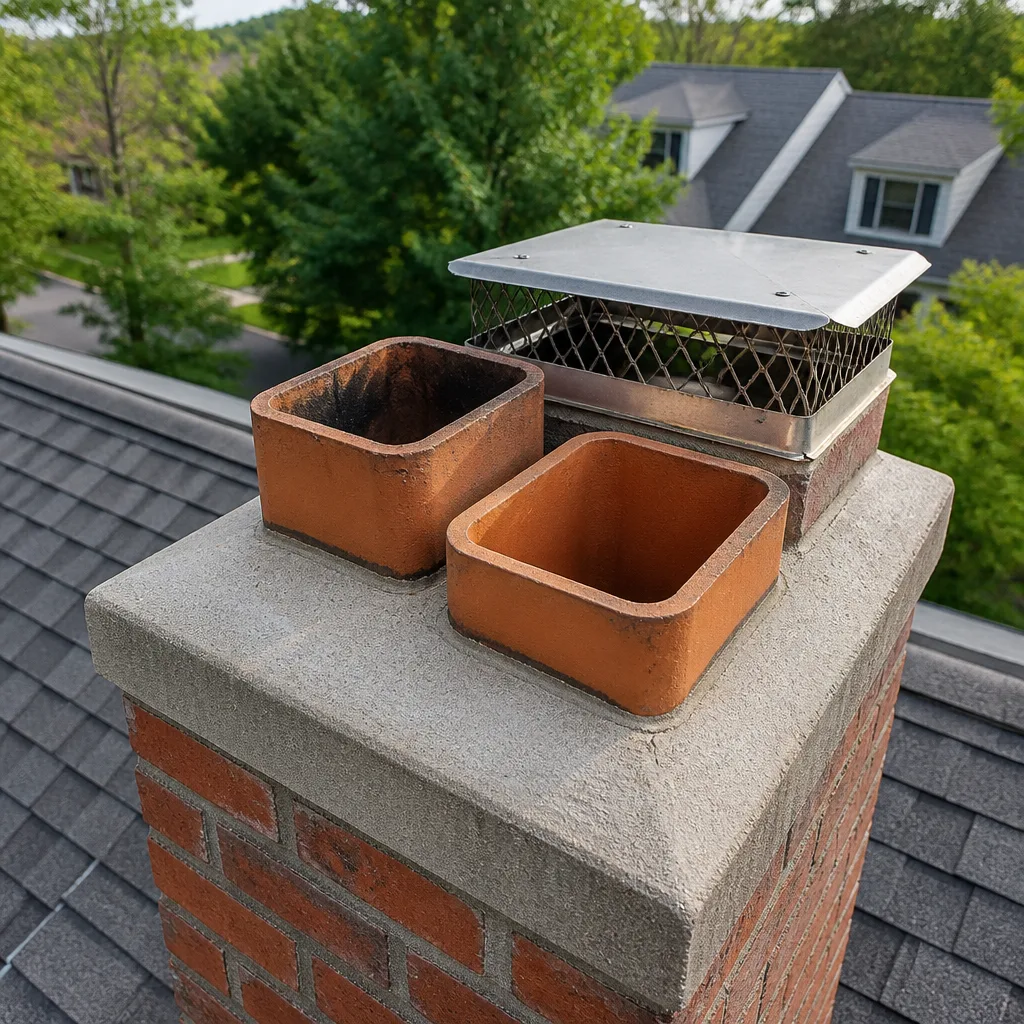
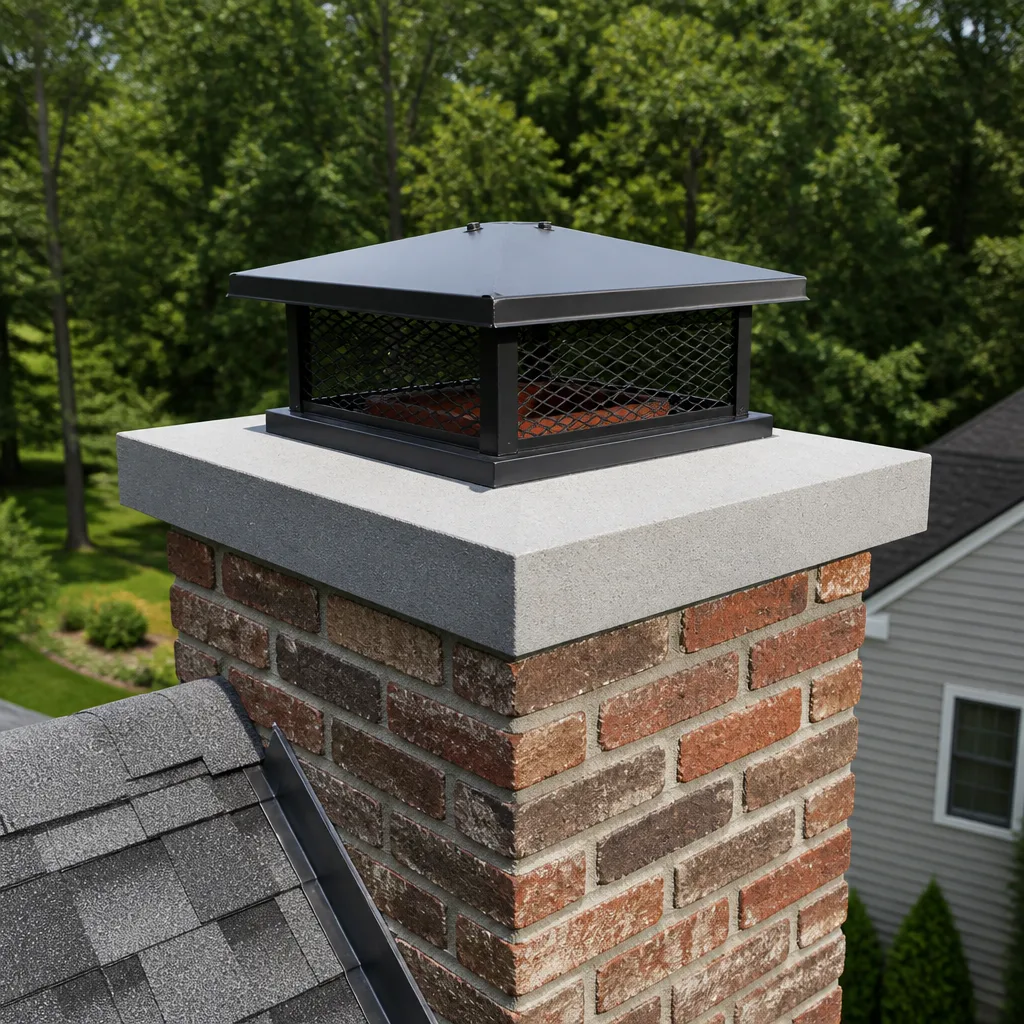
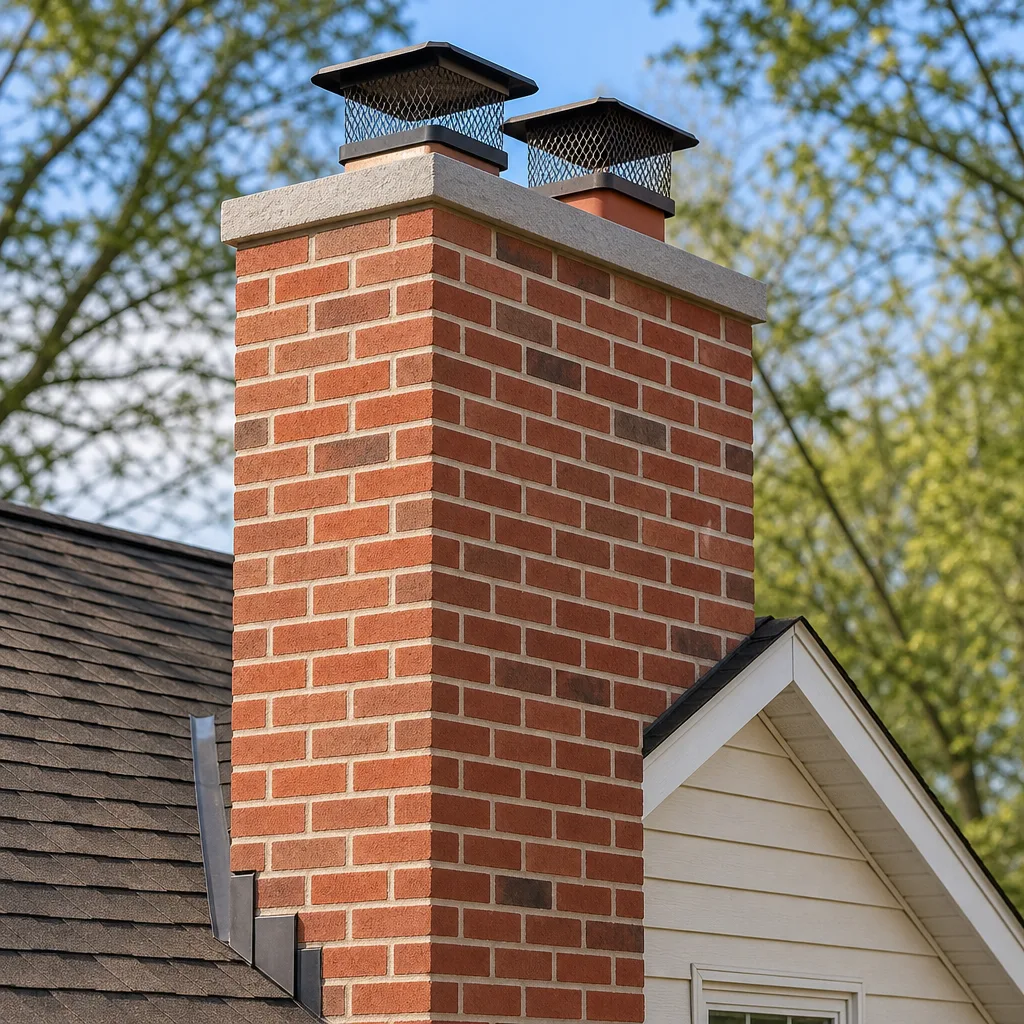
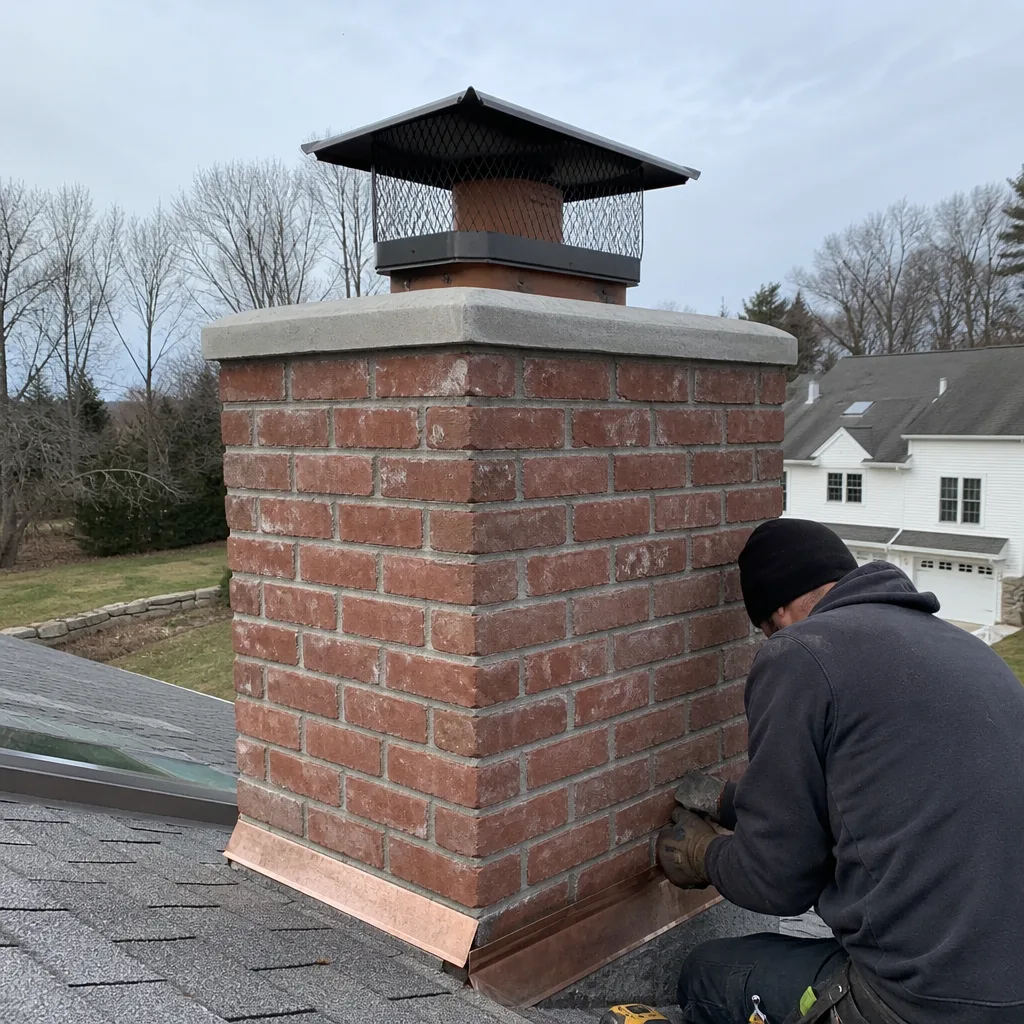
Level 1 sweep and inspection to the NFPA 211 annual standard - flue, crown, cap, and flashing checked and photographed
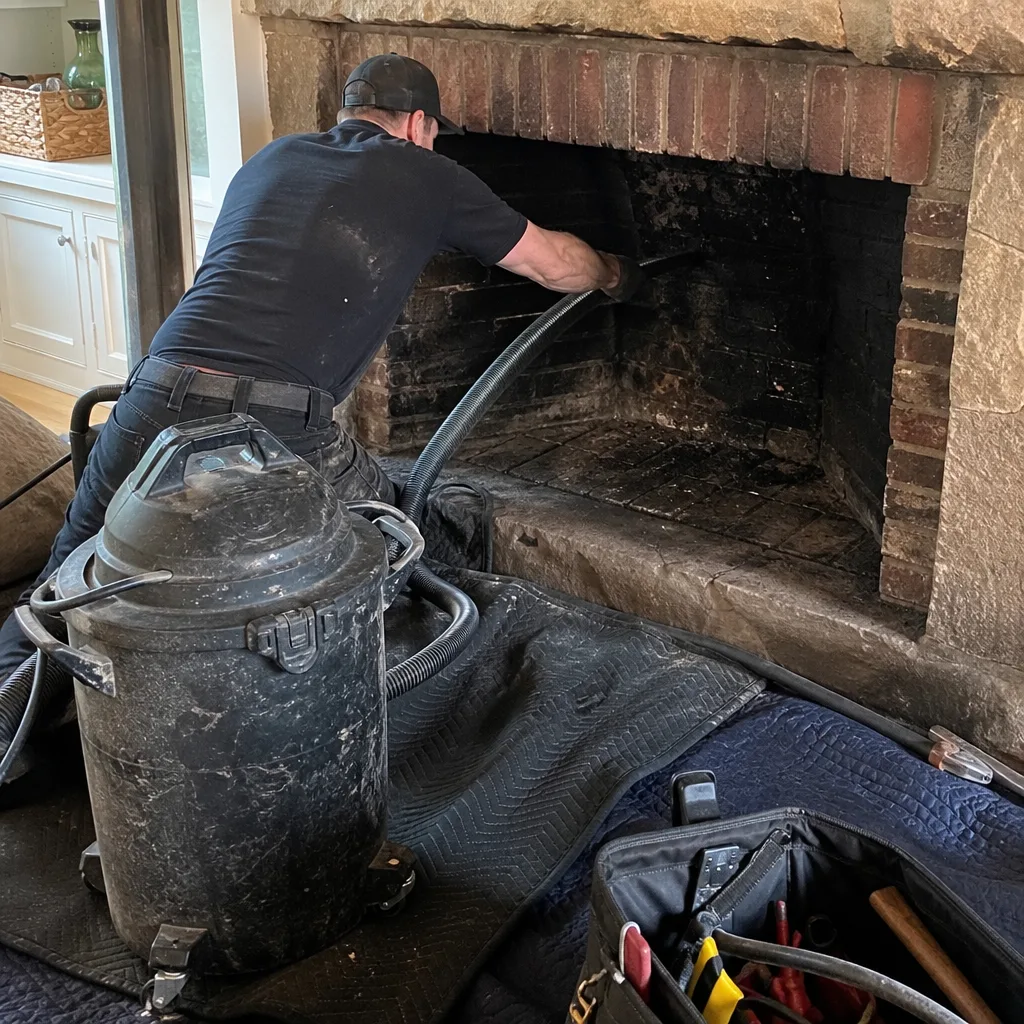
Chimney sweep logs do not sweep chimneys. They loosen some creosote - which then falls where a brush and vacuum still have to collect it.
 Before
 After
After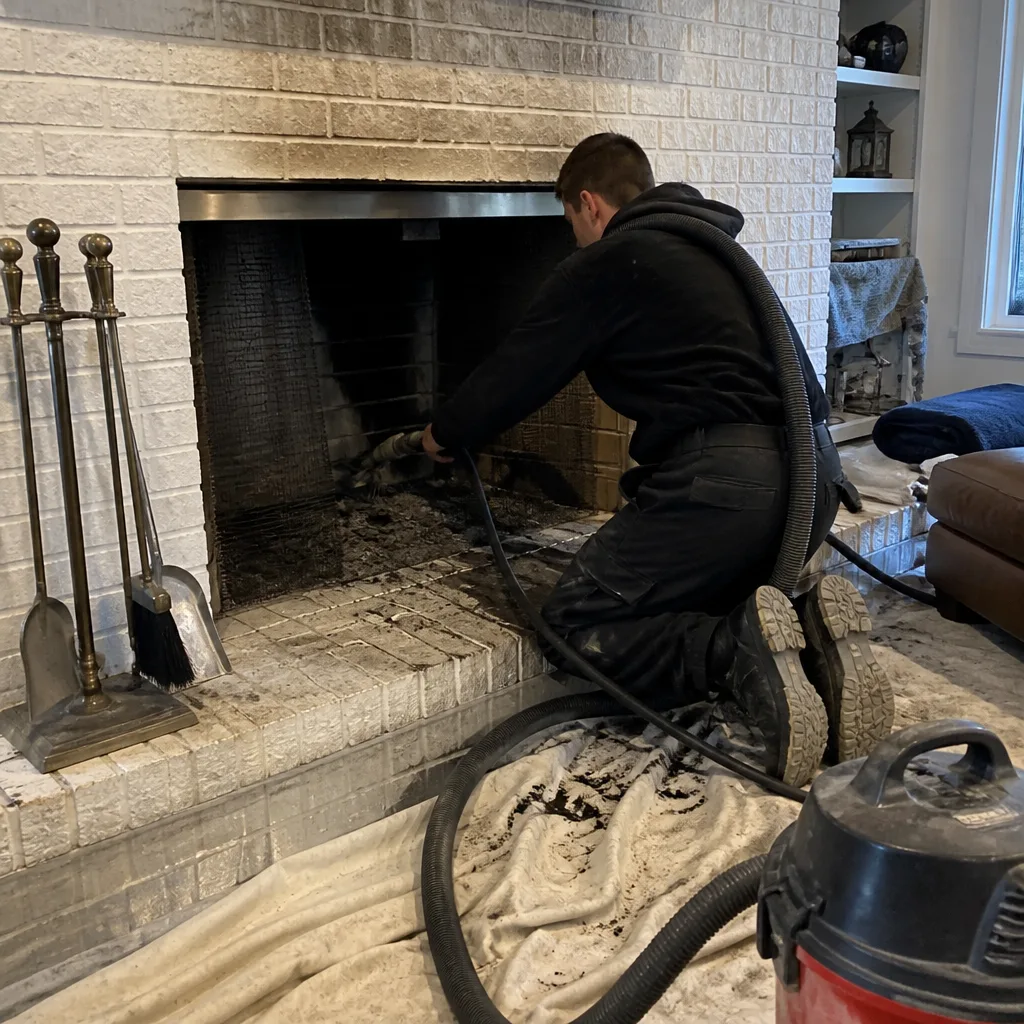 Before
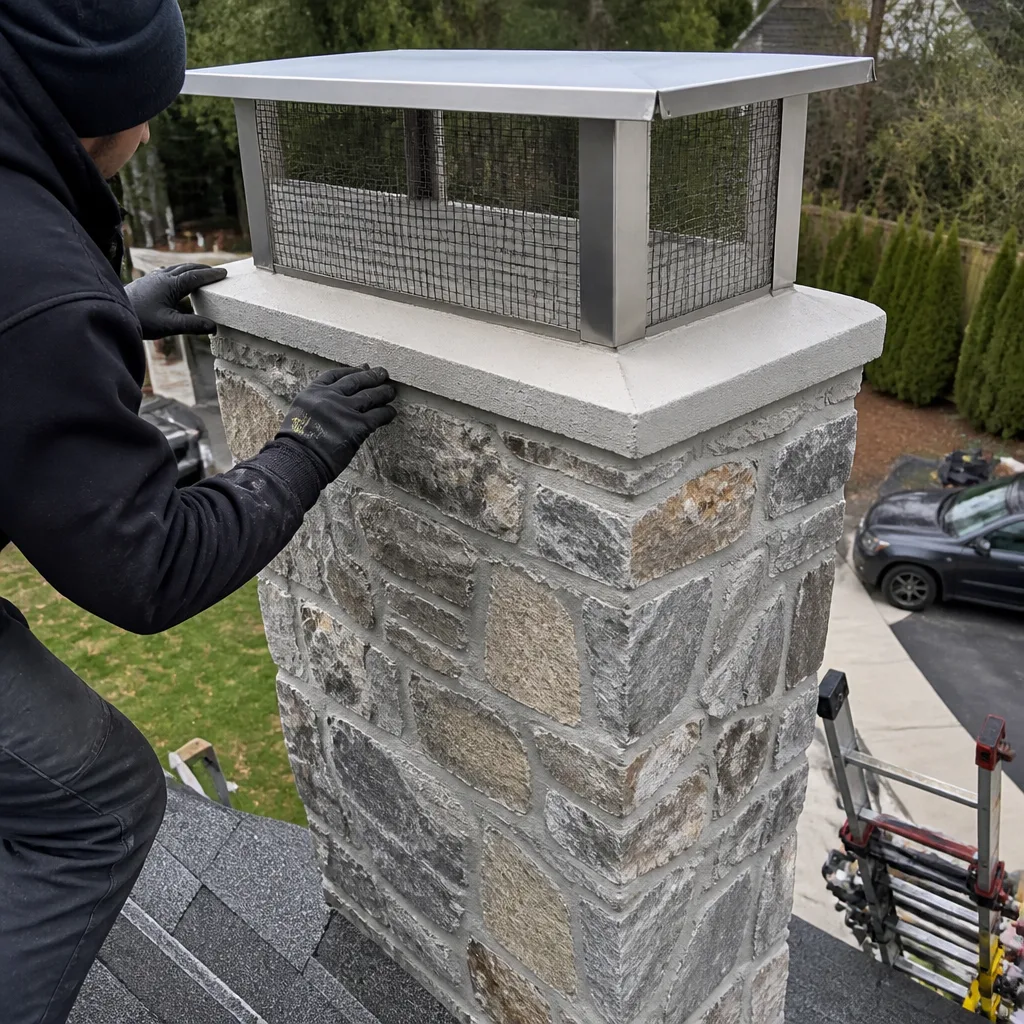 After
After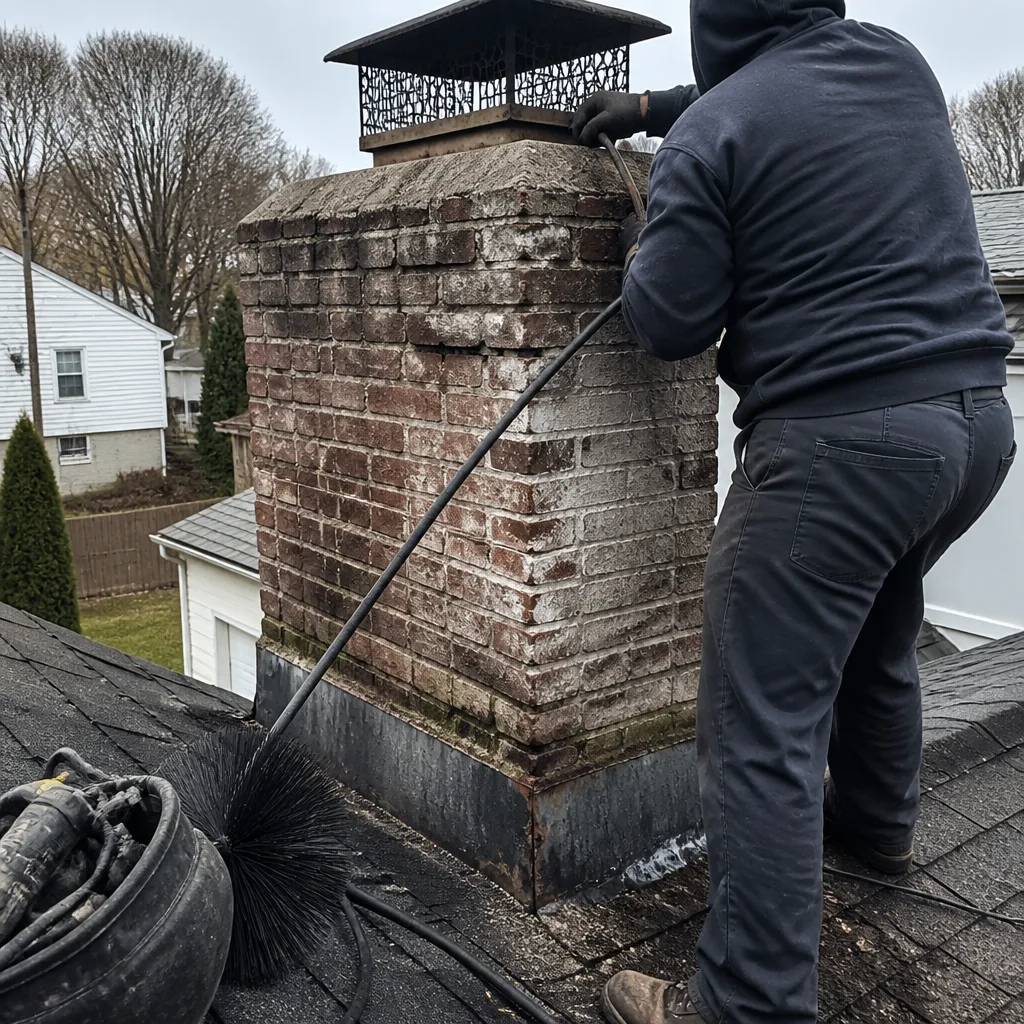 Before
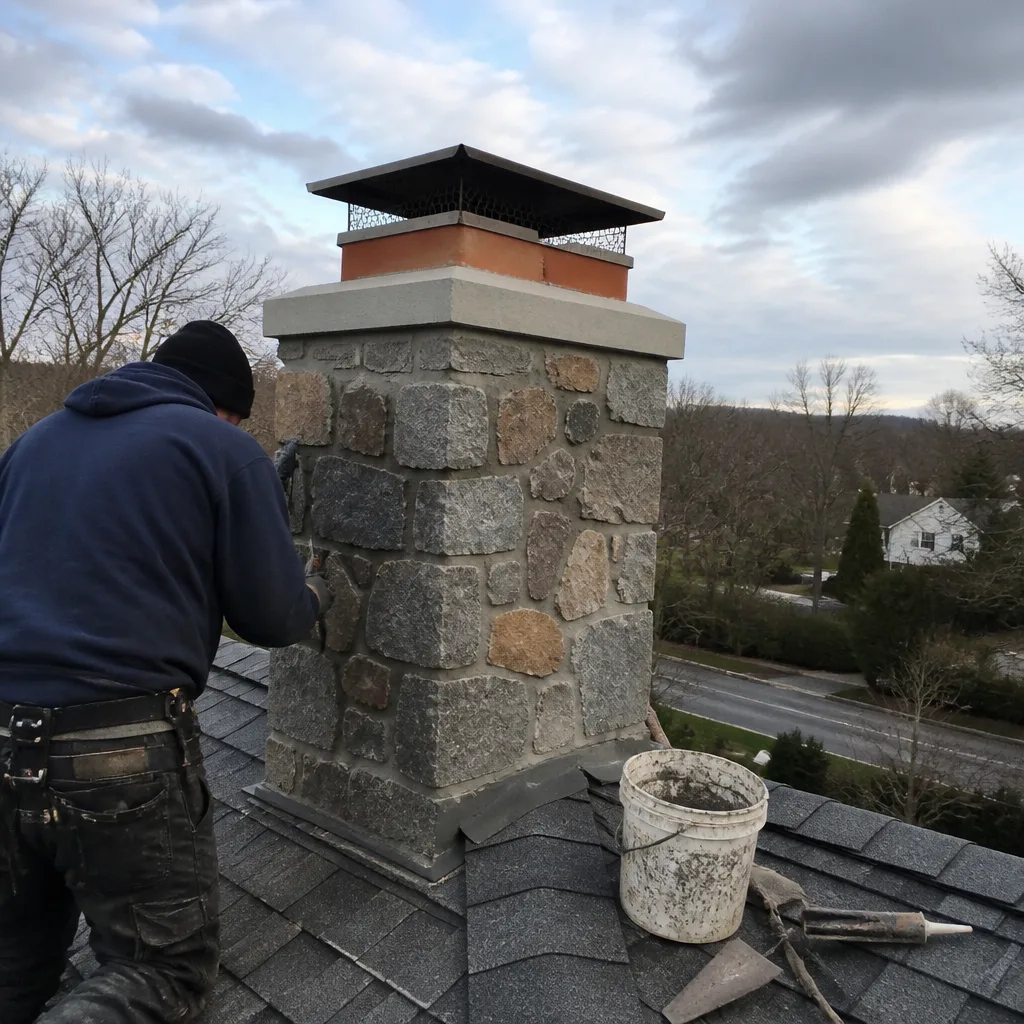 After
AfterHeatShield Flue Liner Replacement: The Stamford Owner’s Guide
HeatShield flue liner replacement in Stamford typically runs $2,400 to $4,800 installed, depending on flue height, access, and whether we’re relining part or all of the run. We stock HeatShield-compatible liner materials and can usually have the job scheduled within a week, not a month. Most Stamford homeowners discover the problem two ways: a chimney sweep flags it during the annual cleaning with camera footage, or the furnace tech notices draft issues and starts asking questions. Either way, you’re here because someone said the words “flue liner” and you want to know if it’s real, what it costs, and whether it can wait.
Which HeatShield Models This Applies To
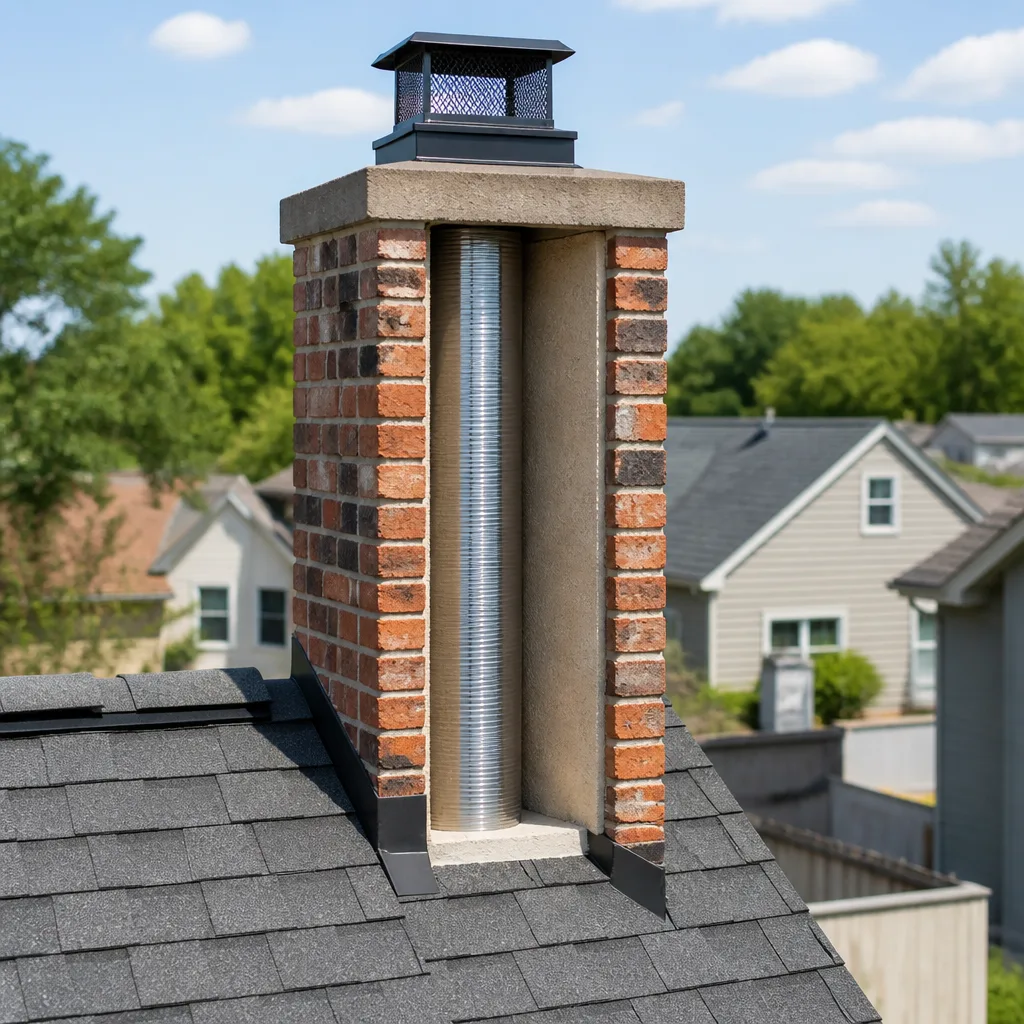
HeatShield is a ceramic refractory coating system, not a rigid liner you pull out and swap. The part that fails is the applied coating itself, which means “replacement” usually means either recoating with a fresh HeatShield application or, in a lot of Connecticut chimneys, abandoning the coating approach entirely and dropping in a stainless liner instead. We’ve done both, and we’ll tell you which one makes sense after we put a camera up the flue.
The compatibility gotcha with HeatShield: the original application is only as good as the underlying flue tile. If the tile was already cracked or spalling when the coating went on, the HeatShield is now failing from the substrate up, not the surface down. We see this constantly in Stamford homes built before 1970, where the terra cotta flue tiles have been through 50 New England freeze-thaw cycles. The coating delaminates in sheets because the tile behind it is moving. That’s not a product fault, it’s a substrate problem, and no recoating will fix it.
You’ll identify your HeatShield system by the application sticker usually left on the furnace or water heater, or by the warranty paperwork from the original installer. If you don’t have either, the camera tells us in about ten minutes. HeatShield’s warranty runs 20 years from application when installed through their certified program, but in practice, Stamford’s coastal humidity and aggressive winter condensate mean we’re seeing failures at 8 to 12 years on well-used flues. As for OEM versus aftermarket: HeatShield is a proprietary material, so there is no generic version of the coating. When we recoat, it’s genuine HeatShield. When we recommend stainless instead, we use DuraFlex or Gelco liners, both of which we stock and install regularly.
Signs Your HeatShield Flue Liner Replacement Is Failing
- Flaking or sandy debris at the cleanout door. The refractory coating sheds when it starts to fail. You’ll find grayish-red grit at the base of the chimney, and the pieces look like thin ceramic chips. This is the coating losing its bond to the flue tile.
- A sudden drop in draft. Smoke that used to pull cleanly now hesitates or rolls back into the room when you open the stove door. Failed coating changes the flue’s cross-section and surface friction, and the draft suffers before you see any visible damage.
- Moisture stains on the chimney breast, inside or out. When the coating fails in spots, flue gases and condensate reach the brick directly. Stamford’s damp winters make this worse than inland climates. You’ll see efflorescence or damp patches that come and go with the heating season.
- The oil or gas burner starts short-cycling or the CO detector trips near the mechanical room. On furnace-flue applications, a compromised HeatShield liner changes exhaust velocity. The burner doesn’t get the draft it needs, and combustion gases can back up into the house. This is the one to take seriously and immediately.
- Your last sweep’s camera report showed “spalling,” “delamination,” or “scaling” in the flue. That’s the language we use when the HeatShield is coming off in patches. If the report says “minor scaling,” it can often wait a season. If it says “active delamination with exposed tile,” it’s time.
Replacement Cost & What’s Included
For a single-flue HeatShield replacement in Stamford, plan on $2,400 to $3,600 if we’re recoating with genuine HeatShield and the underlying tile is sound. If we’re going the stainless route because the tile has failed, expect $3,200 to $4,800 depending on flue height, roof pitch, and whether we need to break out the old tile to fit the liner. The cost difference comes down to prep work: recoating is faster when the substrate is good, while stainless relining in an older Stamford chimney often means removing the terracotta first.
Every quote includes the camera inspection before we touch anything, the liner material, the labor, the cleanup, and the 90-Day Done Right Promise in writing. We also knock $40 off any repair over $200, and if you have a written estimate from another company, we’ll give you a free second opinion on it. No trip charge inside the county. The price you hear on the phone from Wendell or whoever answers is the price on the invoice. That’s not a slogan. That’s how we’ve run it since 1999.
DIY or Call Us?
You can check the cleanout door for debris and run a flashlight up the flue from below to look for visible patches. That’s reasonable, and it helps you talk to us intelligently when you call. What you can’t safely do is get on a Stamford roof in January, run a camera yourself, or apply any coating product from a hardware store. This isn’t paint. HeatShield is a ceramic refractory that has to be mixed, applied at the right thickness, and cured correctly, and the application happens inside the flue, not from the rooftop with a brush on a pole. If the coating is too thin, it fails in a season. If it’s too thick, it cracks. If the flue tile is moving behind it, none of it matters. We’ve been doing this in Fairfield County for over two decades, and Wendell has spent plenty of afternoons on rooftops near Shippan Point. If it doesn’t need doing, he’ll be the first one to tell you. Call (475) 242-5865 and we’ll put a camera up there and give you a straight answer.
FAQs
HeatShield carries a 20-year warranty when certified installers apply it, but in Stamford’s coastal climate, we typically see 10 to 15 years of service before the coating needs attention, and sometimes less if the underlying flue tile was already cracked. Draft use, fuel type, and how often the chimney is swept all move that number.
Call (475) 242-5865 and we’ll give you an honest assessment of your flue’s remaining life, based on camera footage, not guesswork.
Sometimes. If the delamination is limited to a small area and the flue tile beneath is intact, a targeted recoat can buy you years without a full replacement. If the coating is coming off in sheets or the tile is cracked, patching prolongs the problem rather than solving it. The camera tells us which situation you’re in.
Call (475) 242-5865 for a free camera inspection and we’ll show you exactly what we’re seeing.
A recoat on a single flue usually takes one full day, including setup, application, and cleanup. A stainless reline with tile breakout can run two days depending on access and how much of the old tile has to come out. Your home is never without heat overnight in either case.
Call (475) 242-5865 and we’ll give you a timeline based on your specific chimney.
We keep HeatShield material on hand for common flue sizes, along with DuraFlex and Gelco stainless liners for the jobs where relining makes more sense than recoating. We stock these brands because they’ve held up in Fairfield County chimneys, not because a distributor offered us a deal.
Call (475) 242-5865 and ask what’s on the truck for your flue size right now.
Written by Wendell Pike, Owner, Top Hat Chimney at Top Hat Chimney, serving Stamford and nearby areas.