
Level 1 sweep and inspection to the NFPA 211 annual standard - flue, crown, cap, and flashing checked and photographed
Chimney sweep logs do not sweep chimneys. They loosen some creosote - which then falls where a brush and vacuum still have to collect it.
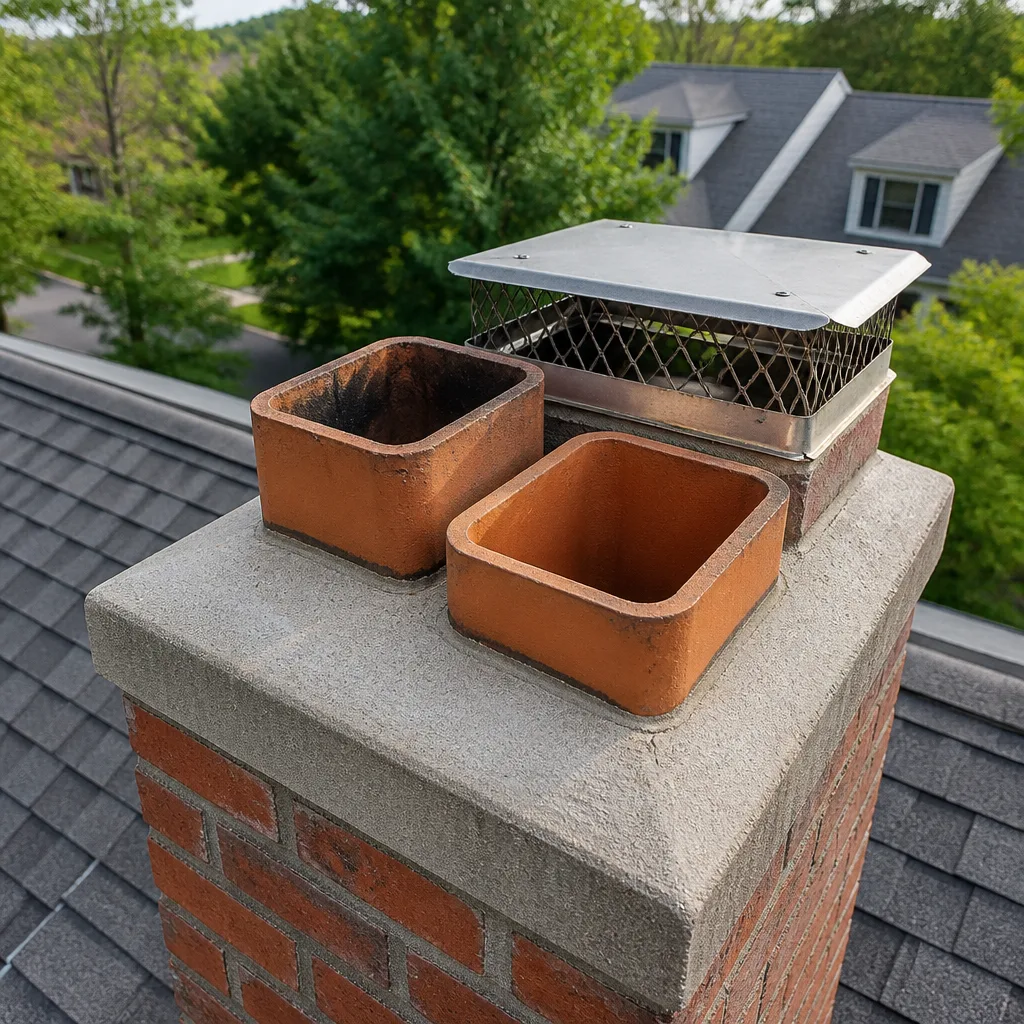
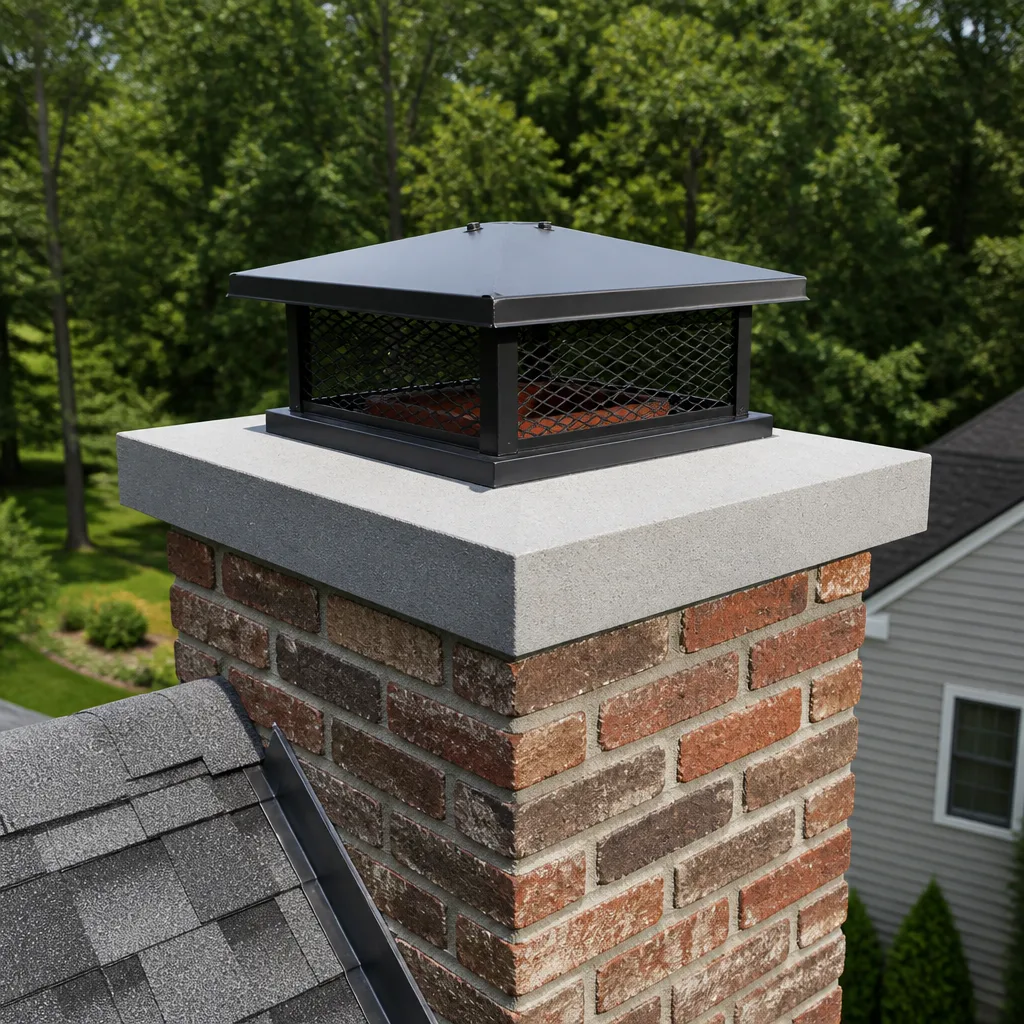
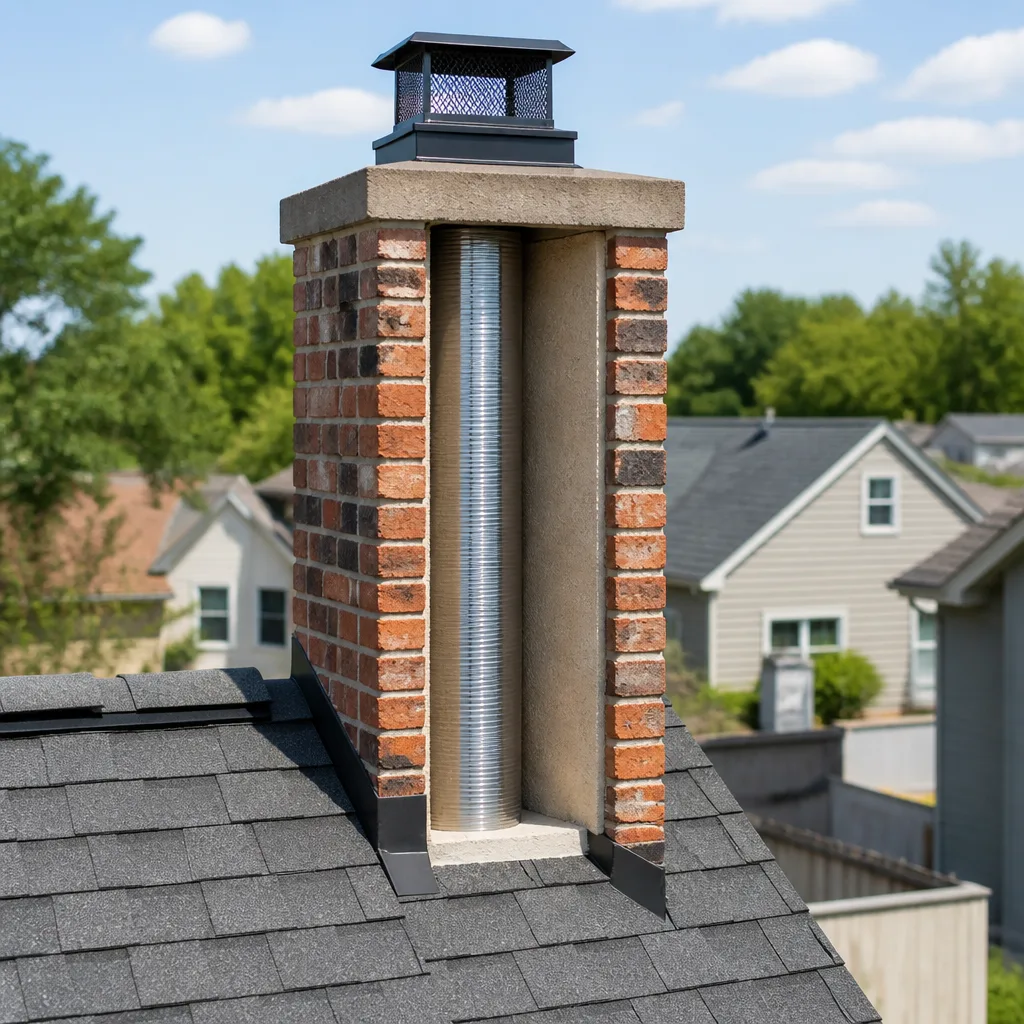
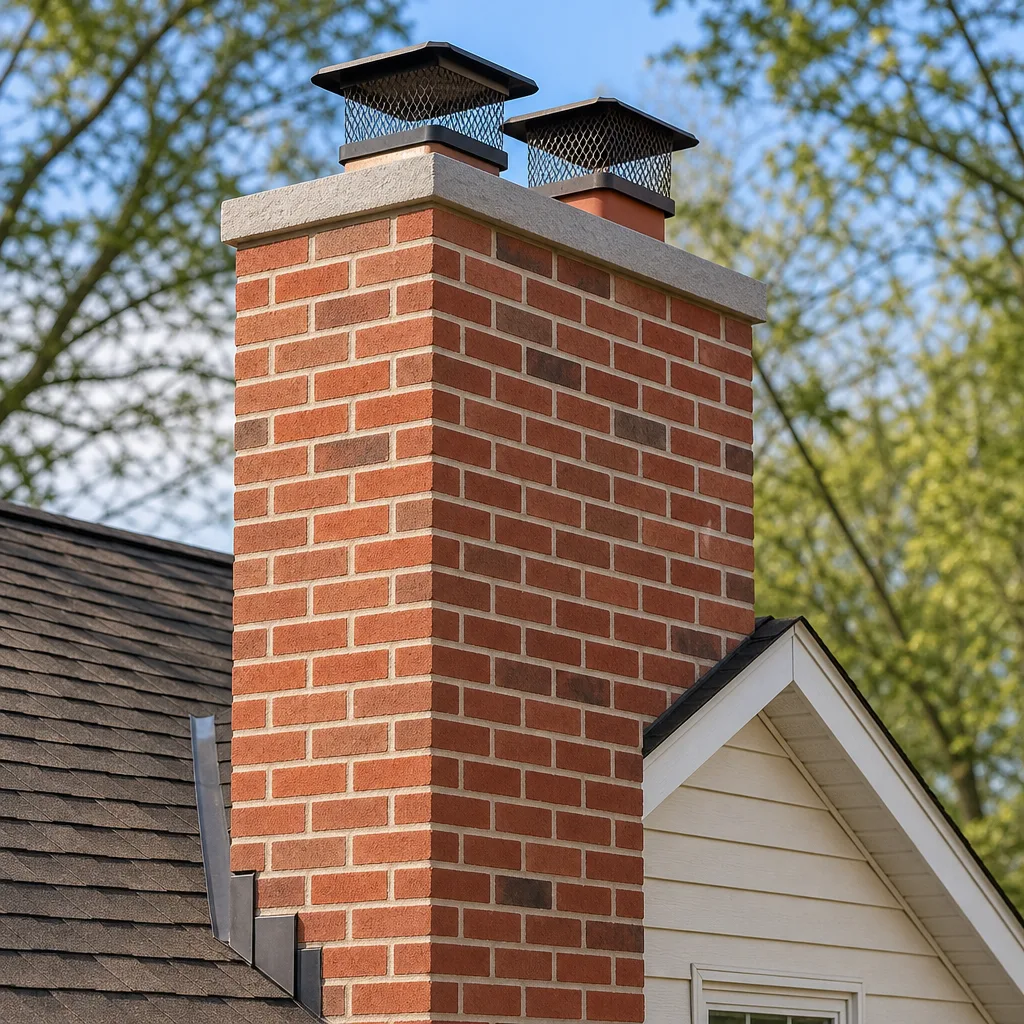
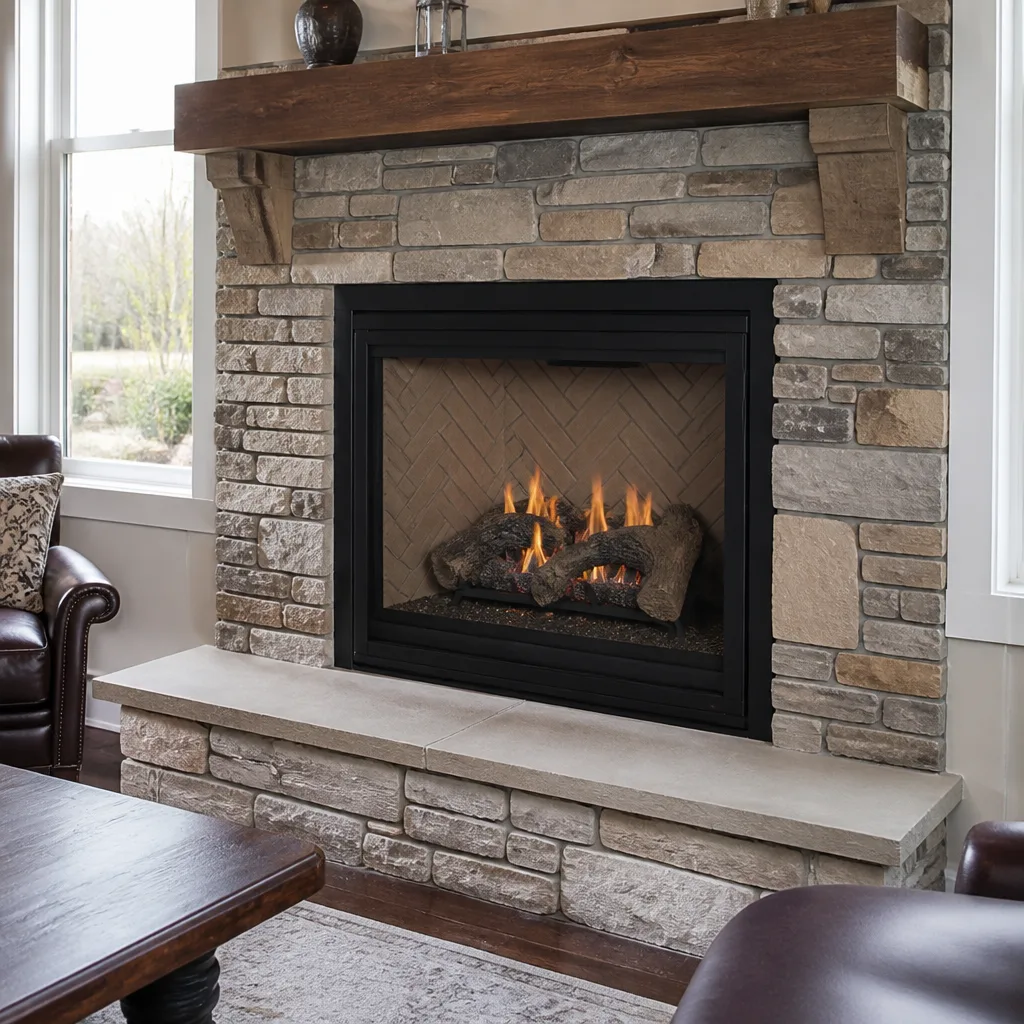
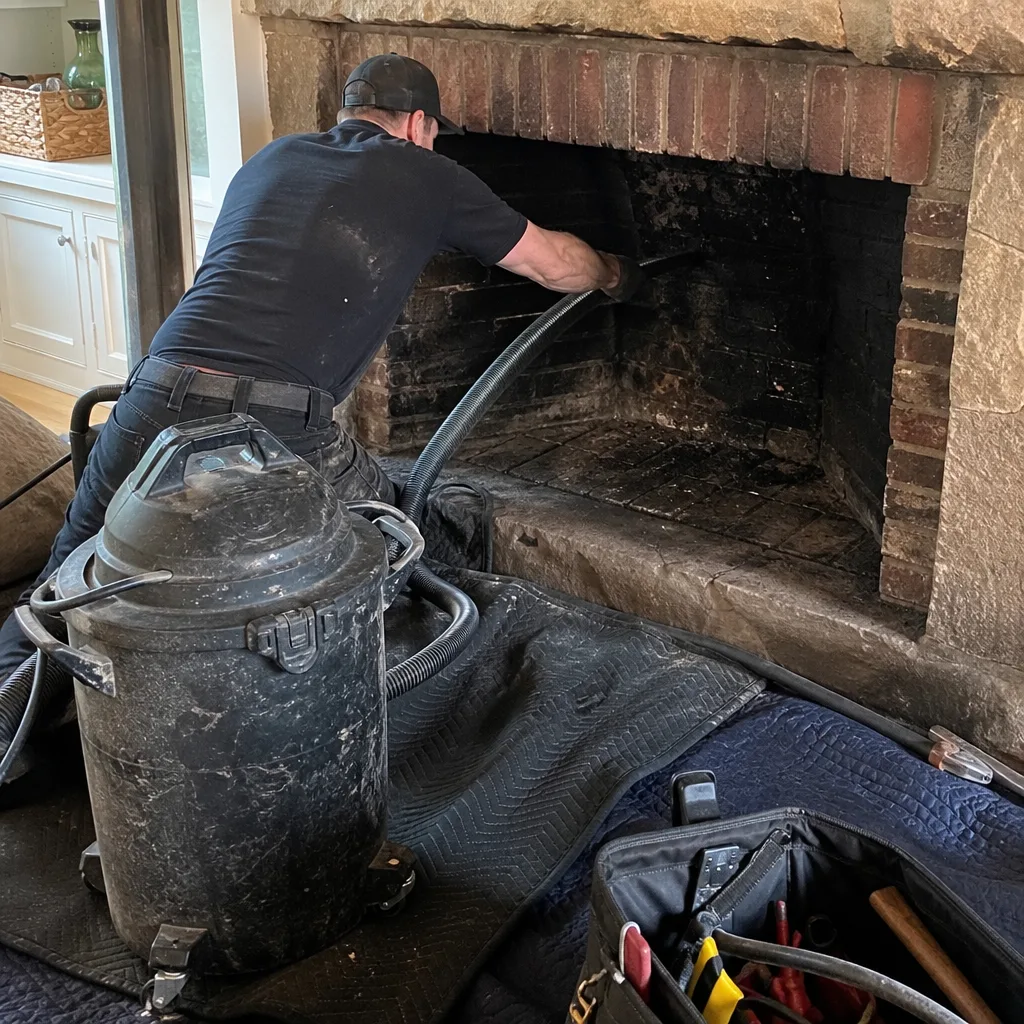 Before
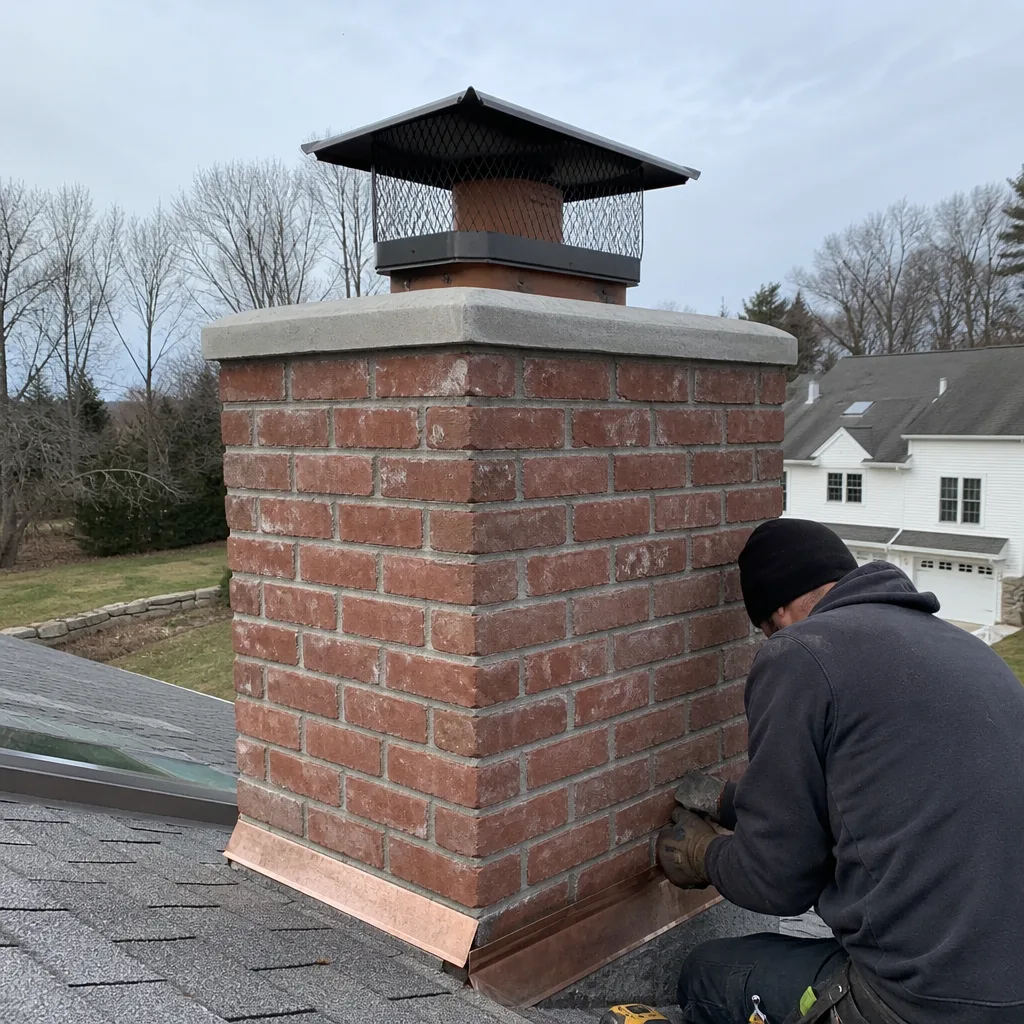 After
After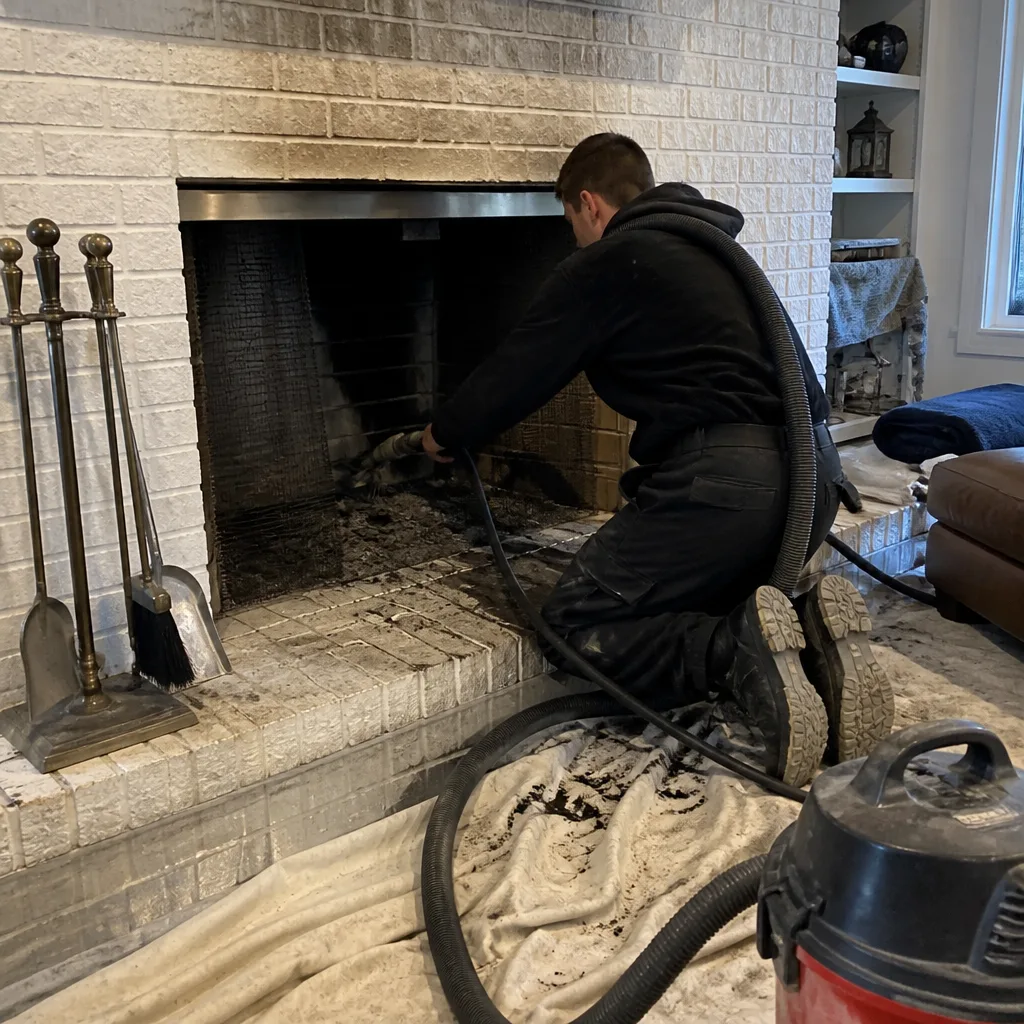 Before
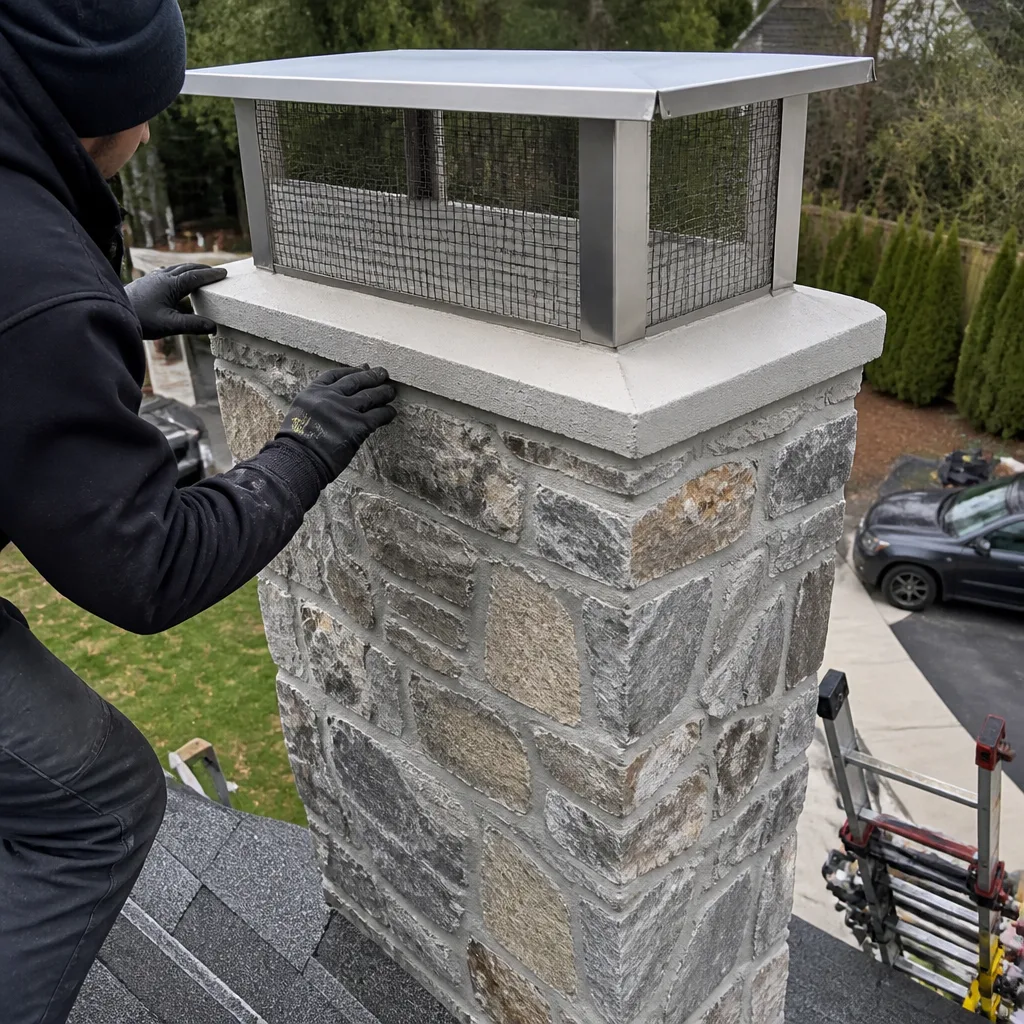 After
After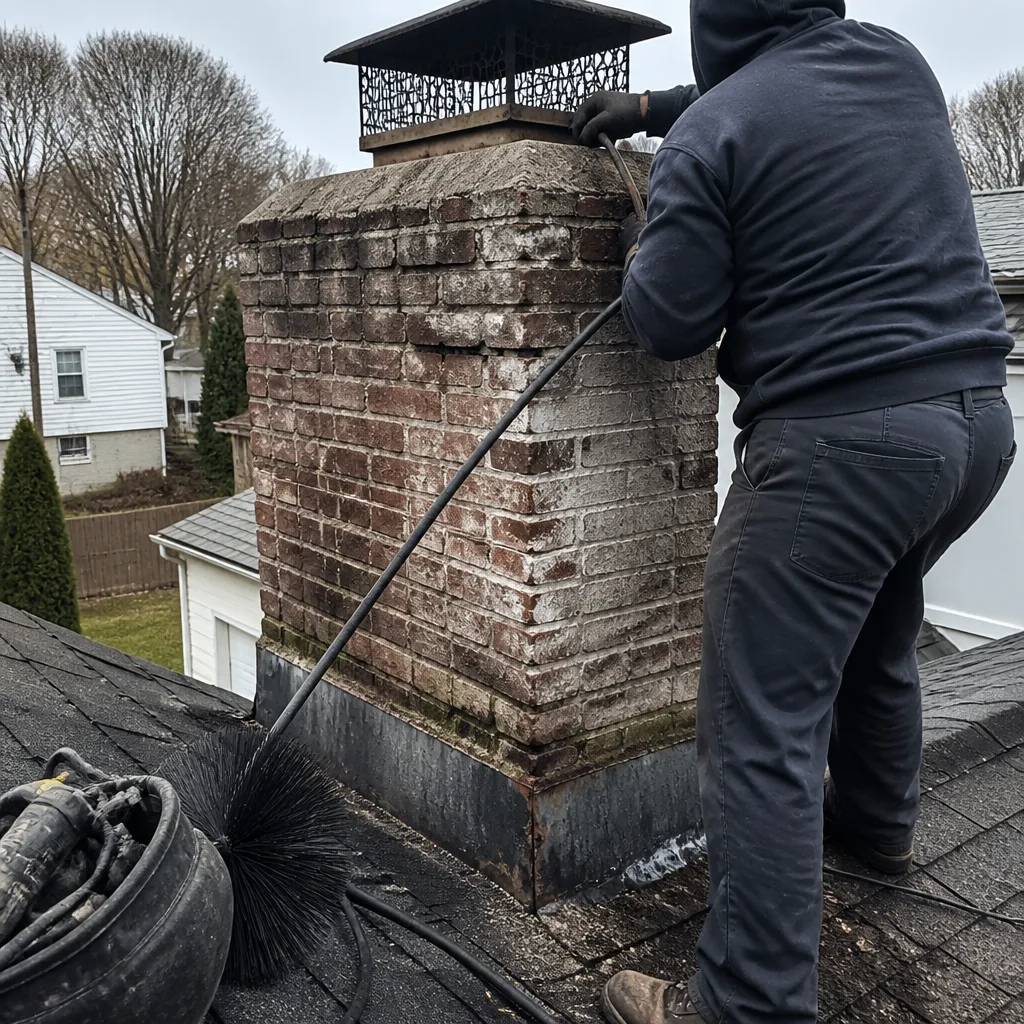 Before
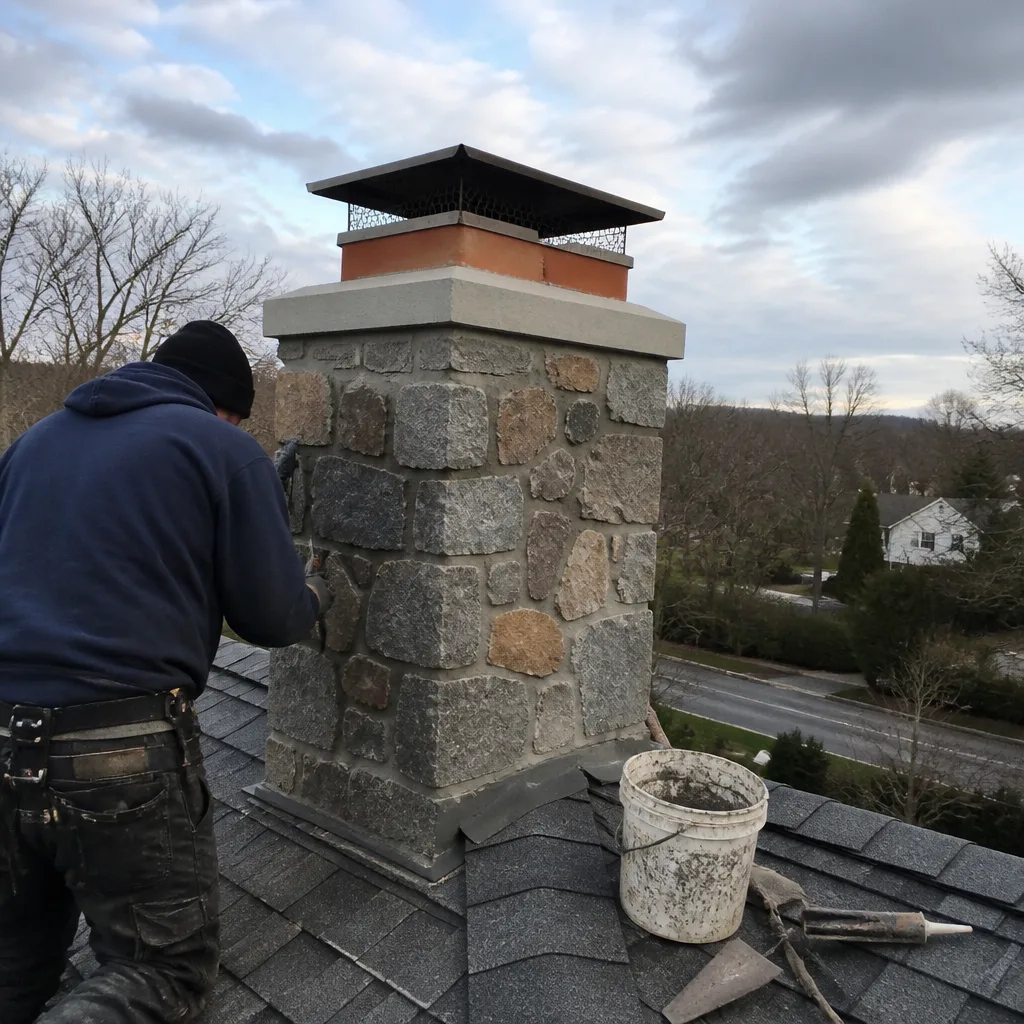 After
AfterDuraFlex Chimney Cap Installation: The Stamford Owner’s Guide
A DuraFlex chimney cap replacement in Stamford typically runs $285 to $460 installed, depending on the flue diameter and roof accessibility, and we can usually complete the swap in under two hours once we’re on site. Most Stamford homeowners discover the cap has failed the same way: a rust stain running down the chase cover after a nor’easter, or the clatter of a loose cap during a January windstorm off Long Island Sound. The good news is this is one of the straightforward chimney repairs we do, and we keep common DuraFlex-compatible caps on the truck so many calls are one trip, not a scheduled second visit.
Which DuraFlex Models This Applies To
DuraFlex is primarily a chimney liner line, and the caps that pair with its commonly installed stainless steel and aluminum liner systems in Fairfield County homes are straightforward to match once we know the flue opening size. We’ll ask you to check for a small metal tag or stamp on the chase cover or the cap itself; if it’s gone, we measure the flue opening with a tape measure from ground level or with a drone if it’s a steep roof we won’t want to walk twice. A 6-inch flue with a basic single-flue cap runs the lower end of the price range, while a multi-flue cap spanning a wider masonry crown or a chase-mounted cap on a factory-built unit that has rusted at the mounting collar adds materials and time. What matters more than brand labeling is whether the cap is being mounted to a clay tile flue, a DuraFlex-compatible liner, or a factory-built chase, because the mounting method changes entirely.
One compatibility gotcha worth stating plainly: your DuraFlex liner may still be in perfectly serviceable shape while the cap on top has failed, because the cap takes the worst of the weather every single week. Salt air and nor’easter-driven rain off the Sound eat the seams and mounting fasteners on caps far faster than the liner itself, which is protected inside the chimney. Two roofs on the same street can have wildly different cap lifespans depending on whether they sit on the windward side of a hill or tucked behind a ridge. When the cap goes, you don’t need a new liner just because the original purchase had DuraFlex on the box, and any sweep who jumps straight to a liner upsell without showing you camera footage is doing you a disservice.
Signs Your DuraFlex Chimney Cap Installation Is Failing
- Rust stains trailing down from the cap or chase cover. This is the most common tell in Stamford’s coastal climate and it means the galvanized or stainless steel has already started to through-rust at a seam. Rust stains aren’t cosmetic; they mean water is already getting to the flue or chase interior.
- The cap wobbles or shifts when the wind really blows. A properly installed cap shouldn’t move at all, even in a Sound-front gale. Movement means the mounting fasteners have corroded or the mortar collar around the flue has crumbled, and a loose cap can become a projectile in a serious storm.
- Water dripping into the firebox after a rain. If you hear dripping or see a dark, wet stain on the firebrick floor, the cap has lost its seal or the chase cover has rusted through at the collar. It’s not always rain getting in; often it’s driving rain pushed almost horizontally by coastal wind that a compromised cap can’t deflect.
- Visible daylight through the cap mesh from inside the firebox. If you open the damper, look up, and see sky through the mesh, the screen is torn or the cap is physically detached from its mount. This is also how raccoons and squirrels get in, and let me tell you, a raccoon in a flue is a phone call you don’t want to be making at 2 a.m.
- The cap looks fine from the street but the flue has a persistent odor even after sweeping. Some caps fail on the underside, not the top, where condensation from the flue gases corrodes the mounting ring. You can’t see that failure from the ground no matter how much you squint, which is why every inspection we do includes getting eyes on or drone footage of the actual cap.
Replacement Cost & What’s Included
In Stamford, a straightforward single-flue cap replacement typically falls between $285 and $360, and a multi-flue or chase-mount configuration runs from $340 to $460. What drives the difference is the flue size, how many flues share the chimney, and how much of the roof we have to move across to get to it. Our quote is flat and in writing before we start: the cap, the mounting hardware, the time on the roof, and cleanup. The number you hear on the phone is the number on the invoice. Every cap installation includes a visual inspection of the flue and crown while we’re up there, which means we’ll show you whether the old cap was the whole story or whether there’s something else that needs attention. And every job is covered by our 90-Day Done Right Promise in writing: if it’s not done right, one call brings Wendell back at no charge to you.
DIY or Call Us?
You can safely check two things from the ground: whether the cap is visibly leaning or missing, and whether there are fresh rust stains on the chase or the cap itself. What you can’t safely check, and where DIY cap work goes wrong, is on the roof. Stamford homes with steep pitches, slate roofs that don’t forgive a single lost footing, or chimneys that require climbing past a satellite dish or solar array are not places to learn roofing in the middle of a damp Connecticut afternoon. A cap replacement also usually involves old, brittle flashing and a mortar crown that may be ready to crumble; a wrong step makes a $300 job into a $3,000 roof repair. We’d rather you call us at (475) 242-5865, tell us what you’re seeing, and let us send someone up who’s walked a thousand of these roofs. If it doesn’t need doing, I’ll be the first one to tell you.
FAQs
Plan on 10 to 15 years for a stainless cap in Stamford’s coastal climate, less if the house sits within a mile or two of Long Island Sound and gets regular salt spray. If the cap is galvanized rather than stainless, expect 6 to 9 years. The failure point is almost always the seam or the mounting collar, not the cap body itself. Call (475) 242-5865 for an exact quote; estimates are free.
Sometimes. A torn screen or a loose rivet can be patched, but once the welds at the mounting collar have rusted through or the cap body has pinholes, you’re buying time, not fixing anything. We’ll tell you straight out which situation you have, and if it can wait another season, we’ll say so.
Most single-flue cap replacements in Stamford are done in 90 minutes to two hours from the time we park the truck. A multi-flue cap or a chase cover repair adds time, but even those rarely go past a half day. We book a real arrival window and call if it slips.
We carry the common sizes and mounting configurations for standard, single-flue and double-flue masonry chimneys and for prefab chase pans. If your cap needs an unusual size or a custom multi-flue measurement, we’ll order it and schedule the install the day it arrives. We also work with and stock parts from HeatShield and Gelco when the existing system calls for them.
Written by Wendell Pike, Owner, Top Hat Chimney at Top Hat Chimney, serving Stamford and nearby areas.